This article contains affiliate links. If you purchase or book through these links, we may earn a commission at no additional cost to you.
Travel today should feel exciting, not exhausting. Yet for many people, planning a trip has become a maze of fluctuating prices, aggressive upselling, confusing filters, and the constant fear of booking at the wrong time. This is exactly the problem Skyscanner was built to solve.
Skyscanner doesn’t promise magic discounts or secret deals. What it offers instead is far more powerful: clarity. By pulling real-time data from hundreds of airlines, travel agencies, and booking platforms, it gives travelers the ability to compare, analyze, and decide, without pressure.
This article explores how Skyscanner changes the travel-planning experience, why it consistently delivers better value, and how you can use it as a long-term travel strategy rather than a one-time search tool.
The Real Problem With Booking Travel Online (And How Skyscanner Fixes It
The biggest issue with most travel websites isn’t pricing, it’s bias.
Many platforms prioritize airlines or hotels that pay higher commissions. Results are shaped by profitability, not value. Add to that artificial scarcity messages, countdown timers, and unclear fee structures, and you end up with anxious decision-making instead of confident choices.
Skyscanner removes this friction by design.
It works as a meta-search engine, not a seller. That distinction matters. Instead of pushing you toward a specific booking, Skyscanner shows you what’s actually available across the market – prices, routes, durations, and providers, all side by side.
This transparency shifts power back to the traveler. You’re no longer guessing whether a deal is “good.” You can see the full spectrum and decide what works best for you.
For people who travel frequently, this isn’t a convenience, it’s a competitive advantage.
How Skyscanner Turns Flexibility Into Serious Savings
One of Skyscanner’s strongest insights is simple: flexibility is money.
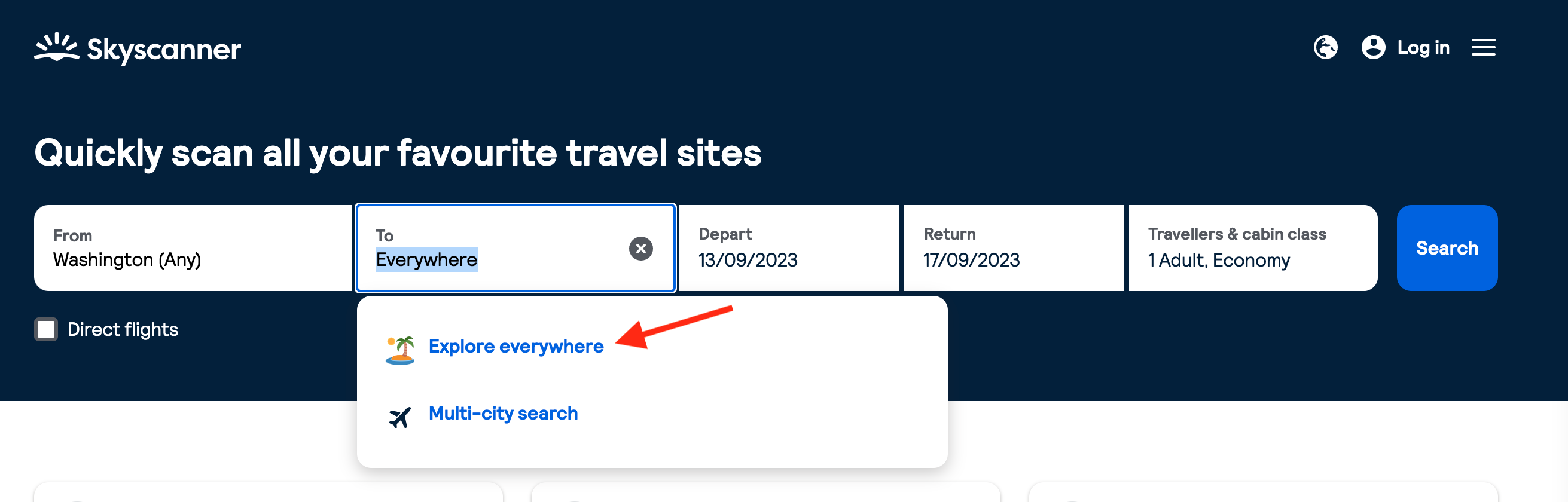
Instead of forcing users to lock in rigid dates and destinations, Skyscanner encourages exploration. Its tools are designed to answer questions travelers actually have, such as:
- When is the cheapest time to fly?
- Where can I go within my budget?
- How much does price change if I shift my plans slightly?
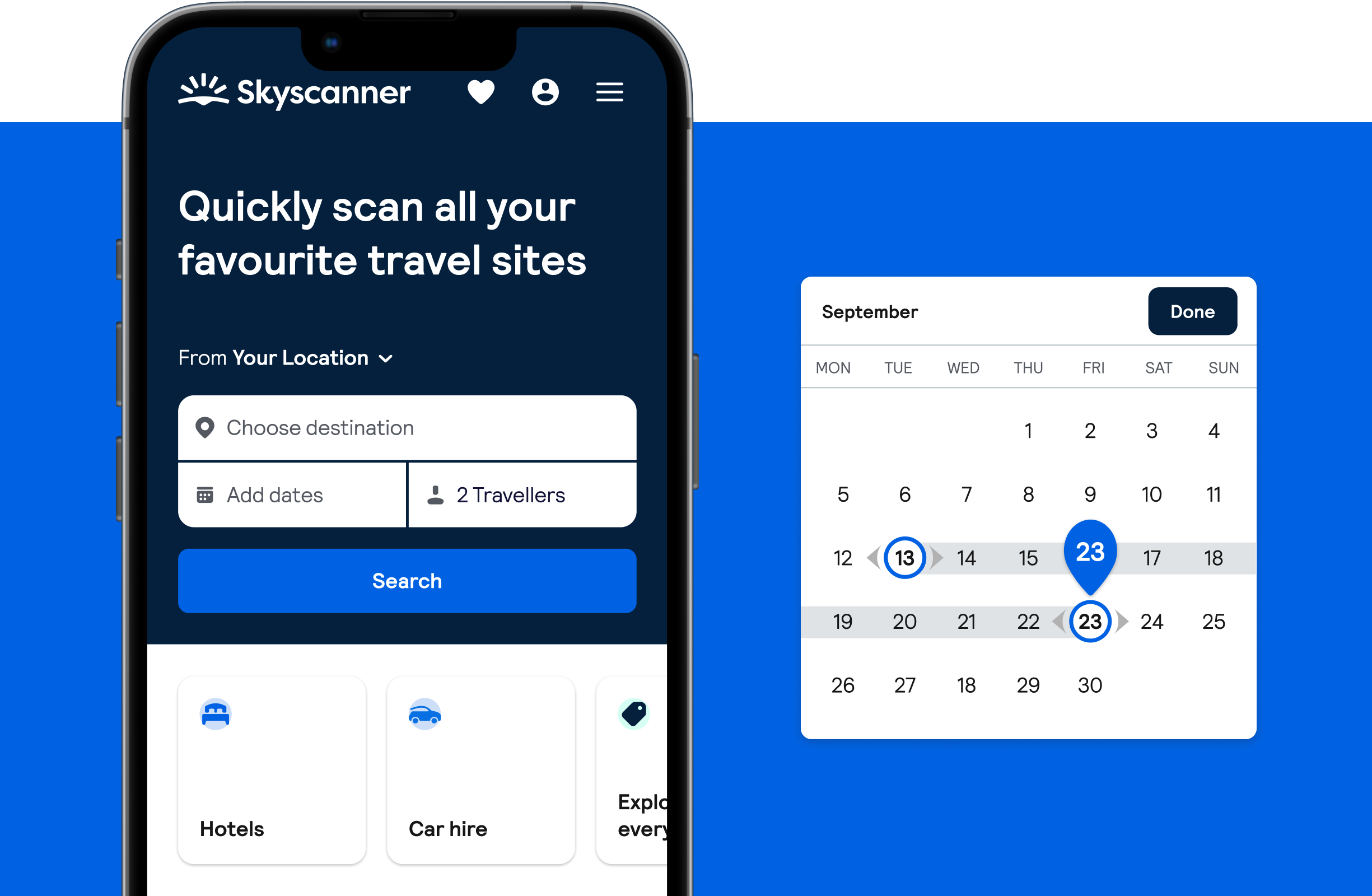
The “Cheapest Month” feature visualizes fare patterns across weeks, making it obvious when demand dips. The destination discovery feature reveals affordable routes to multiple countries at once, helping travelers think beyond obvious choices.
Then there are price alerts on Skyscanner, which quietly monitor fare movements for you. Instead of checking prices obsessively, you let the system work in the background and notify you when conditions improve.
This approach replaces impulse booking with informed timing, a major reason why Skyscanner users consistently save more over time.
One Platform, Endless Possibilities for Every Kind of Traveler
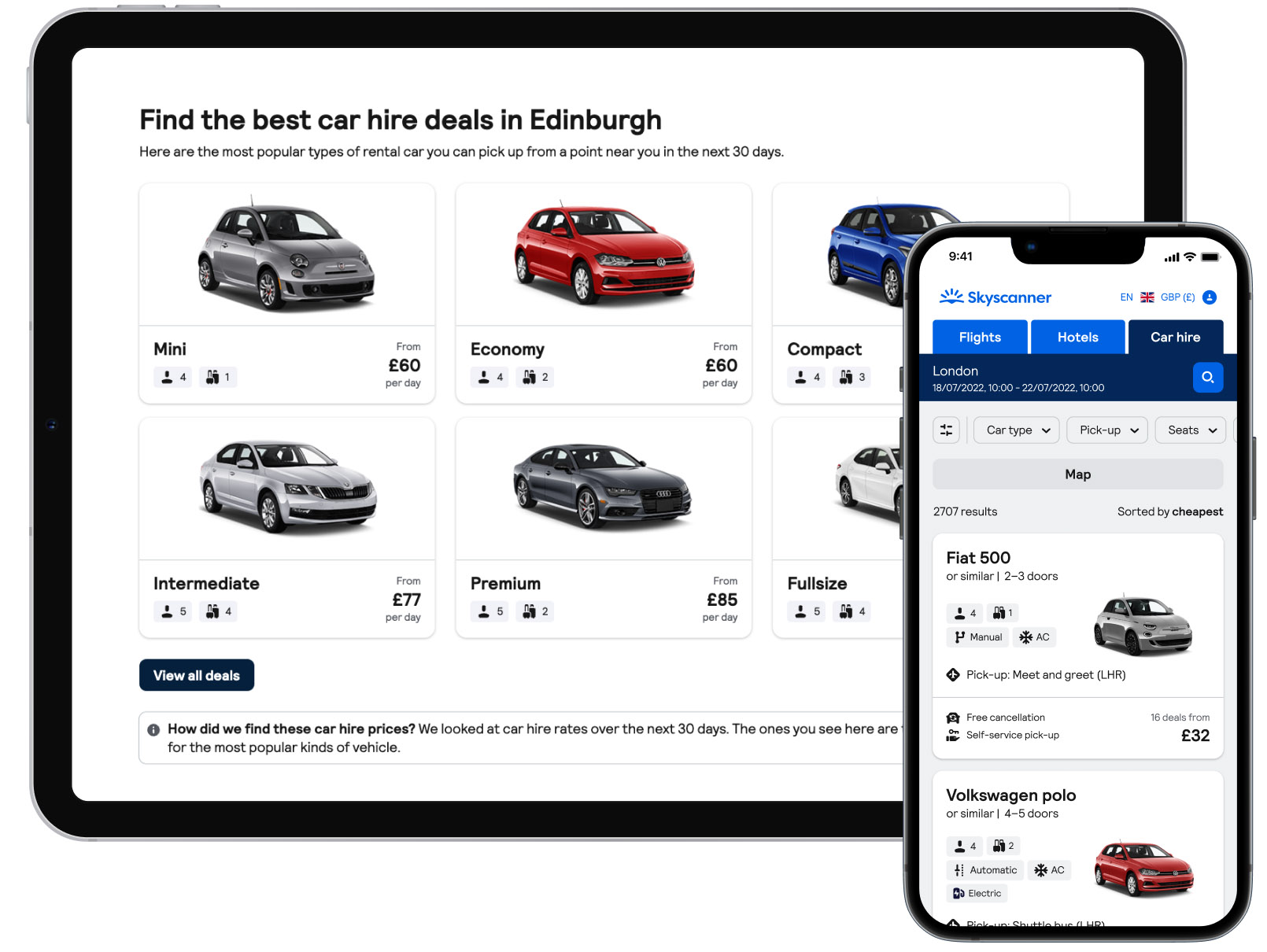
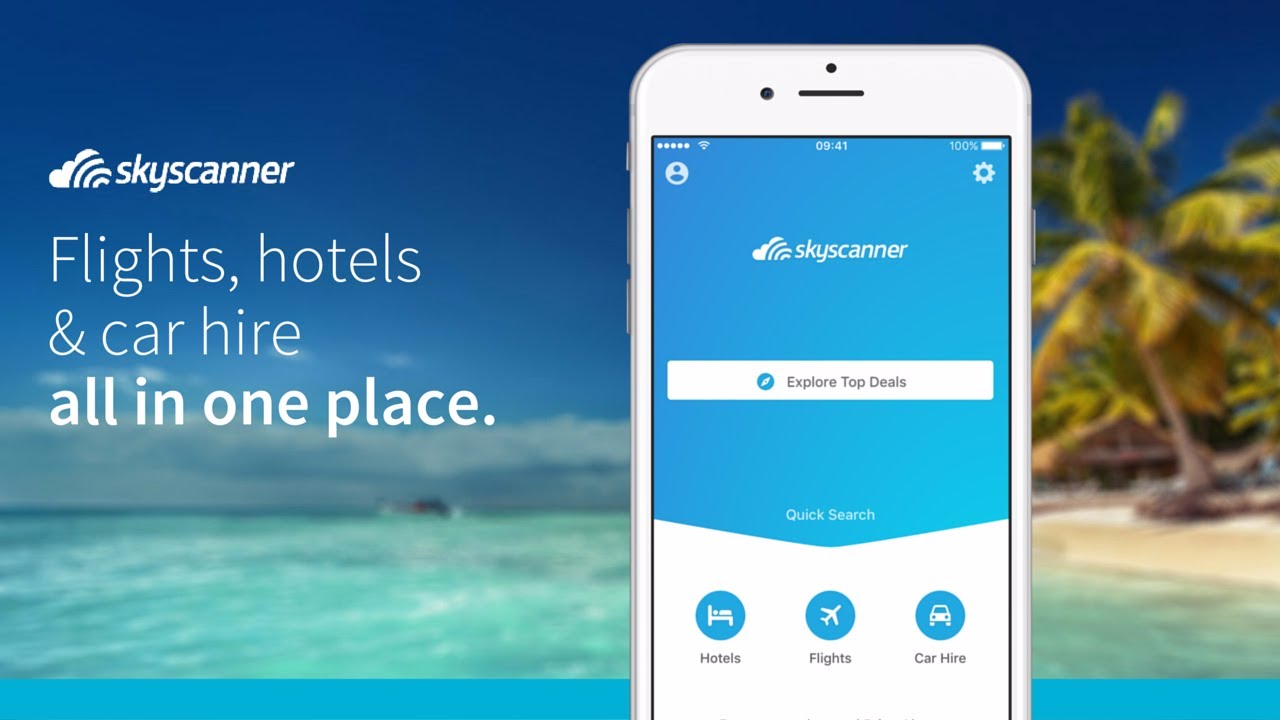
Skyscanner’s value goes far beyond flights. It acts as a central hub for trip planning, covering accommodation and ground transport with the same data-driven logic.
Hotel searches allow you to compare prices across booking sites, evaluate guest ratings, and filter by location and amenities. This is especially useful in popular cities, where the same hotel can vary dramatically in price depending on the platform.
Car hire searches focus on transparency, showing fuel policies, mileage limits, and rental conditions clearly. This helps travelers avoid unpleasant surprises and choose providers that align with their itinerary.
What ties everything together is consistency. Whether you’re searching for flights, hotels, or cars, the experience feels unified. No clutter. No unnecessary persuasion. Just information presented cleanly.
For travelers juggling multiple variables, this cohesion saves both time and mental energy.
Why Skyscanner Works Equally Well for Spontaneous Trips and Long-Term Planning
Not all travel decisions are made the same way. Sometimes you plan months ahead. Other times, you want to leave next week. Skyscanner accommodates both mindsets effortlessly.
For long-term planners, it’s a research tool. You can study seasonal pricing, track routes over time, and understand which destinations offer the best value during specific months.
For spontaneous travelers, it’s an opportunity engine. With flexible searches and destination discovery, you can find affordable options fast, without sacrificing quality or convenience.
Here’s where Skyscanner quietly outperforms competitors:
- It doesn’t punish indecision.
- It doesn’t lock features behind sign-ups.
- It doesn’t overwhelm you with irrelevant upgrades.
Instead, it adapts to how you think, not how it wants you to book.
This balance is rare and incredibly effective.
The Hidden Advantage of Using Skyscanner Consistently
The biggest benefit of Skyscanner isn’t a single cheap flight, it’s pattern recognition.
When you use the platform regularly, you start noticing trends. Certain routes drop prices predictably. Some destinations are far cheaper than expected during off-peak months. Flexible travelers are rewarded again and again.
The Skyscanner mobile app amplifies this advantage. With alerts, saved searches, and quick access, you’re always aware of opportunities without actively hunting for them.
Over time, Skyscanner becomes less of a tool and more of a travel companion, one that sharpens your instincts and helps you make better decisions across every trip.
In a market crowded with noise, Skyscanner stays focused on what matters: helping people travel better, not faster.
Closing Thoughts
Skyscanner succeeds because it respects intelligence. It doesn’t manipulate urgency or obscure choices. It gives travelers data, perspective, and freedom, and trusts them to decide.
If you want to travel more often, spend less without compromising, and actually enjoy the planning process, Skyscanner isn’t just useful, it’s foundational.