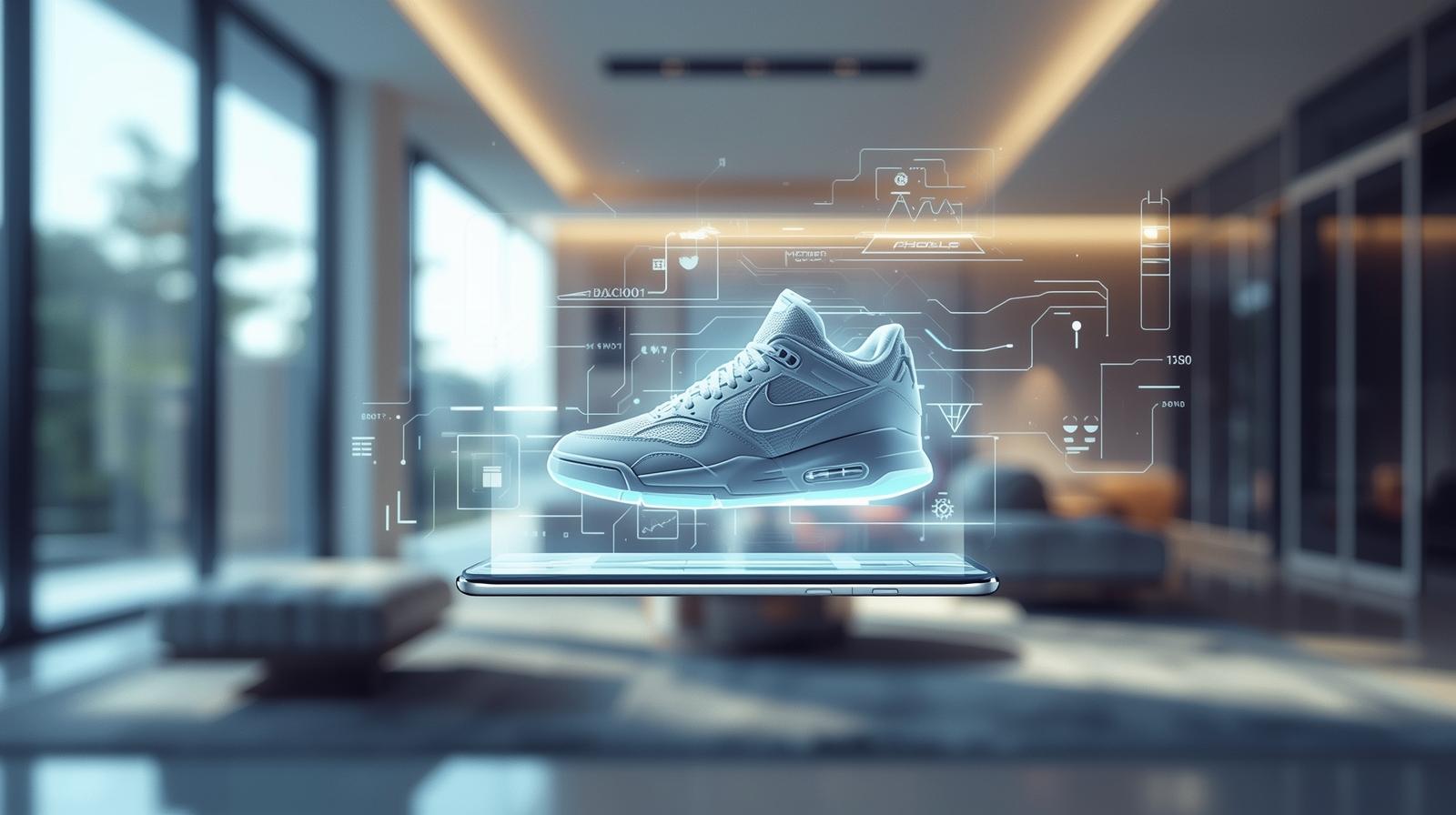
If 2024 was the year of AI experimentation and 2025 was the year of integration, 2026 will be the year of autonomous execution. The e-commerce landscape is no longer just about “making it easier to buy”; it is about anticipating the purchase before the customer even realizes they need it.
We are entering an era where the friction of shopping is vanishing entirely, replaced by predictive algorithms, immersive reality, and values-driven logistics. For retailers, the “adapt or die” mantra has never been louder. The strategies that built empires in the early 2020s—basic SEO, generic email flows, and standard 2-day shipping—are now table stakes, not differentiators.
Here are the seven trends that will define the winners of 2026, and the tactical moves you need to make now to stay ahead.
1. Agentic Commerce: When AI Becomes the Customer
The biggest shift in 2026 isn’t just that retailers are using AI; it’s that shoppers are using AI to shop. We are moving from “Search” to “Delegation.” Personal AI agents (like advanced iterations of ChatGPT or Google Gemini) are now capable of executing end-to-end transactions. A user might say, “Find me the best rated hiking boots under $200 that are waterproof and buy them,” and the bot handles the research, comparison, and checkout.
How to Prepare:
- Optimize for Machines, Not Just Humans: Your product data (structured data, schema markup) must be impeccable. If an AI agent can’t read your specs, shipping policy, and return capability in milliseconds, you simply don’t exist.
- Build “Agent-Ready” APIs: Ensure your inventory feeds are real-time accessible to third-party platforms.
2. The “Phygital” Flattening: AR as the Standard
Augmented Reality (AR) has graduated from a gimmick to a necessity. In 2026, “Virtual Try-On” (VTO) is the standard expected for fashion, cosmetics, and furniture. Return rates for e-commerce have historically hovered around 20-30%, but early adopters of high-fidelity VTO are seeing those rates drop by half. The store is no longer a place you go; it’s a layer you project onto your living room.
How to Prepare:
- Invest in 3D Asset Creation: Start building a library of high-quality 3D models of your bestsellers now.
- WebAR Implementation: Don’t force users to download an app. Use WebAR technologies that work directly in the mobile browser.
3. Eco-Logistics as a Status Symbol
Sustainability is no longer just about the product; it’s about the journey. In 2026, customers—particularly Gen Z and Alpha—are prioritizing “Green Delivery” options even at a slower pace or higher cost. We are seeing the rise of Carbon Labels on shipping options, similar to nutritional facts on food.
How to Prepare:
- Diversify Last-Mile Partners: Partner with logistics providers offering EV fleets or bicycle couriers in urban centers.
- Transparent Cart Data: Display the carbon footprint of “Express” vs. “Standard” shipping at checkout to nudge users toward the greener choice.
4. Social Search Replaces Traditional SEO
The “Google it” reflex is fading. For consumers under 40, TikTok, Instagram, and Pinterest are the primary search engines. In 2026, if your product can’t be found via a hashtag or a visual search on a social platform, your SEO strategy is failing. “Entertainment-led commerce” means discovery happens in the feed, not the search bar.
How to Prepare:
- Video-First Content: Static images are for catalogs; video is for conversion. Pivot your content budget to short-form, authentic video reviews (UGC).
- Social SEO: Optimize your social captions and bio with keywords, not just witty phrases. Treat your TikTok profile like a landing page.
5. The “GenAI” Storefront: A Unique Site for Every Visitor
Static homepages are dead. In 2026, Generative AI constructs unique storefronts in real-time. Visitor A (a price-sensitive student) sees a discount-heavy, bundle-focused homepage. Visitor B (a luxury buyer) sees high-resolution editorials and “limited edition” drops. The website dynamically re-codes itself to match the predicted intent of the user.
How to Prepare:
- Clean Your Data: You cannot personalize without unified customer data. Break down silos between your email, SMS, and site analytics.
- Implement Dynamic Blocks: Start small by using AI tools to dynamically change the “Hero Image” and “Recommended Products” based on referral source (e.g., traffic from Instagram gets a different banner than traffic from LinkedIn).
6. Voice Commerce 2.0: Conversational Reordering
Smart speakers were used for weather and music, but 2026 brings the era of Contextual Voice Commerce. It’s no longer “Alexa, buy detergent.” It’s “Alexa, which detergent did I buy last time that was hypoallergenic? Order that again.” The nuance requires brands to be “top of mind” and “top of history.”
How to Prepare:
- Subscription Focus: Voice commerce heavily favors repeat purchases. Aggressively push subscription models to lock in that default “re-order” status.
- Natural Language Optimization: Optimize product descriptions for natural speech patterns (long-tail keywords) rather than robotic keyword stuffing.
7. Invisible Payments and Biometric Checkout
The friction of entering a credit card number is archaic. 2026 is dominated by Biometric Authentication (FaceID, Palm Scanners) and “One-Tap” wallets deeply integrated into browsers and operating systems. The goal is “Zero-Click” checkout where identity verification is the payment authorization.
How to Prepare:
- Enable Digital Wallets: If you don’t support Apple Pay, Google Pay, and Shop Pay, you are actively losing conversions.
- Trust Signals: With invisible payments comes security anxiety. Display trust badges and security certifications prominently near the “Pay” button.
The Final Verdict
The winners of 2026 won’t necessarily have the best products; they will have the least friction. Whether it’s an AI buying on behalf of a user, a website that redesigns itself instantly, or a checkout process that takes zero clicks, the future of e-commerce is fluid, fast, and fiercely competitive.
The best time to audit your tech stack was yesterday. The second best time is now.