If you scroll back through your social media archives from two years ago, you might encounter a stranger. There she is, dressed in “Tomato Girl Summer” aesthetics, or perhaps she’s channeling “Eclectic Grandpa,” or maybe she’s caught in the brief, blinding headlights of the “Mob Wife” era.
For the better part of the 2020s, fashion wasn’t about style; it was about costumes. We were trapped in a hyper-accelerated cycle of “TikTok Core” micro-trends—a relentless conveyor belt of aesthetics that burned bright for three weeks and then ended up in a landfill. It was exhausting. It was expensive. And frankly, it left us with closets full of clothes but nothing to wear.
Welcome to 2026. The hangover has finally cleared.
This year marks a massive cultural pivot. We are seeing a global rejection of the disposable and a collective embrace of the enduring. We are moving from the era of “Hauls” to the era of “Heritage.” This is the year of the Forever Wardrobe.
The Math of Quality: Why “More” is Less
The psychology behind the micro-trend was simple: dopamine. Buying a $15 top gave a quick hit of satisfaction. But the crash was inevitable. The seams twisted after one wash, the fabric pilled, and the “trend” was declared “cringe” by the internet overlords within a month.
The 2026 mindset is built on a different metric: Cost Per Wear (CPW).
A $300 coat worn 300 times costs you $1 per wear. A $50 trend-piece worn twice costs you $25 per wear. The “expensive” item is actually the frugal choice. But beyond the math, there is the feeling. There is a specific, quiet confidence that comes from wearing a garment that fits perfectly, feels luxurious against the skin, and doesn’t need to be replaced. It is the difference between dressing for an algorithm and dressing for your life.
Building a Forever Wardrobe isn’t about being boring; it’s about being deliberate. It requires patience, a critical eye, and a willingness to invest in pieces that will witness the next decade of your life, not just the next weekend.
Here is your blueprint for constructing a wardrobe that outlasts the noise, featuring the curators and brands that understand the assignment.
Phase 1: The Outer Layer (Your Armor)
If you are going to spend money, spend it on the outer layer. Your coat is the first thing people see and the barrier between you and the elements. In the era of disposable fashion, outerwear became flimsy—polyester blends that offered no warmth and lost their shape.
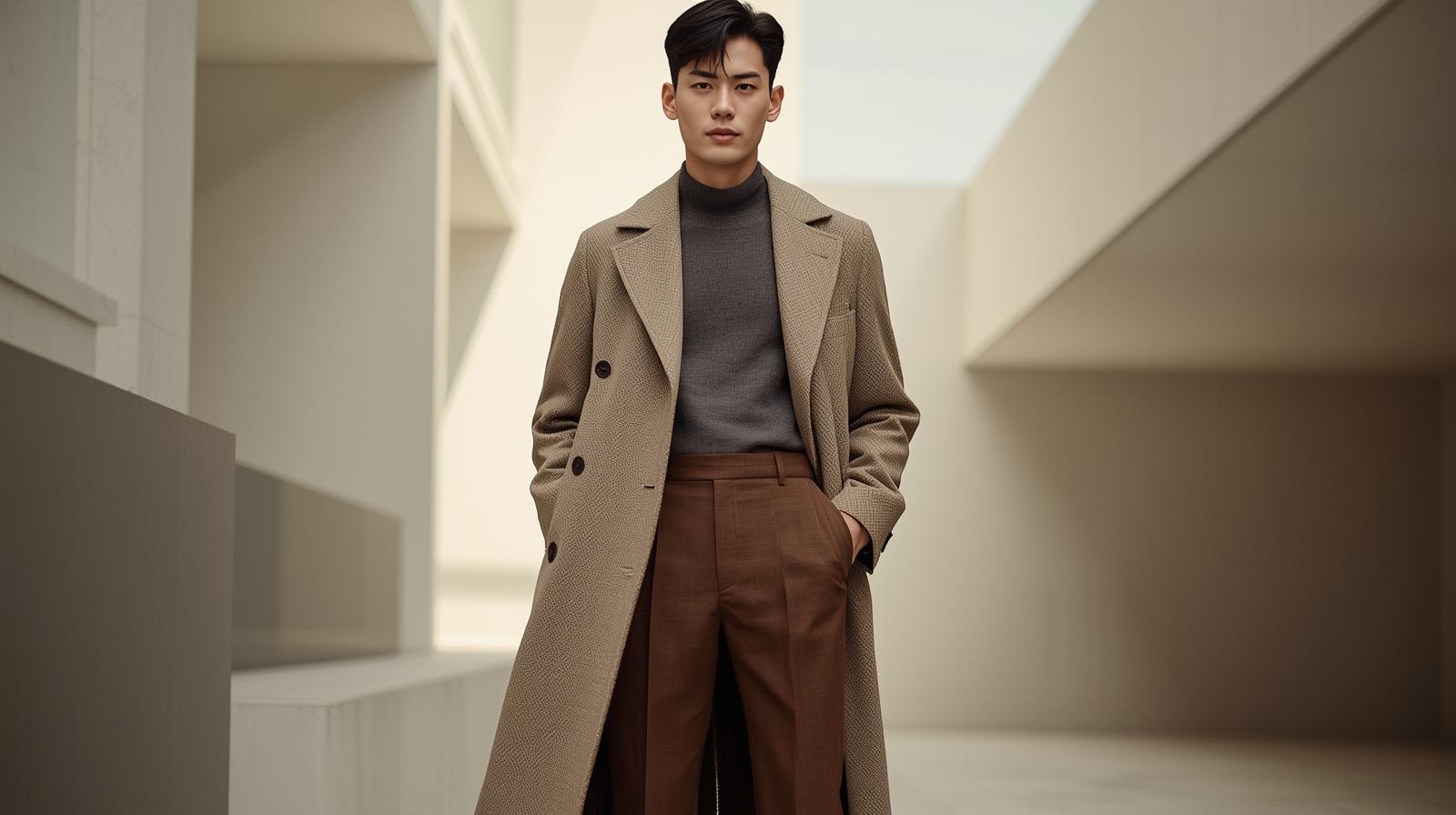
In 2026, we are returning to structure and natural fibers. We are looking for wool, cashmere, and down. We want weight.
This is where retailers like Peek & Cloppenburg shine. They have long stood as a bastion of European quality, stocking brands that treat coat-making as engineering rather than content creation. When you buy a heavy wool trench or a technical parka from their selection, you aren’t just buying warmth; you are buying a silhouette that holds. You are looking for a coat that you can throw over sweatpants to run errands and look chic, or wear over a suit to a meeting.
- The Strategy: Look for neutral tones—camel, charcoal, navy, or black. Avoid “trend” buttons or exaggerated shoulders that scream a specific year. You want a coat that, if found in a vintage shop 20 years from now, would still look relevant.
Phase 2: The Designer Anchors (The Wishlist)
A Forever Wardrobe needs anchors—heavy-hitting pieces that elevate everything else you are wearing. Usually, this is a bag, a pair of boots, or a structured blazer.
In the past, we diluted our budget buying ten “dupes.” In 2026, we are saving that money to buy the real thing. This is the “Buy Once, Cry Once” philosophy.
Platforms like Farfetch and Zalando have become the ultimate toolkit for this strategy. They aggregate the world’s best boutiques, allowing you to hunt for that specific investment piece. Whether it’s a Vivienne Westwood blazer that nips the waist perfectly or a pair of Loewe boots that will age like fine wine, these platforms allow you to access craftsmanship that fast fashion literally cannot replicate.
When you shop on Farfetch, you are paying for the cut. High-end designers spend months perfecting the way a garment hangs on the human body. Fast fashion spends minutes. That difference is visible. An investment piece from Zalando’s designer tier can make a plain white t-shirt and jeans look like a million bucks. It does the heavy lifting for you.
- The Strategy: Create a wishlist. Do not buy on impulse. Wait 30 days. If you are still thinking about those boots, they aren’t a trend; they are a desire. That is when you pull the trigger.
Phase 3: The Daily Premium (The Workhorses)
You cannot live on designer bags alone. You need the “Tuesday morning” clothes. The crisp shirts, the reliable denim, the knitwear that doesn’t itch.
This is the middle ground where many wardrobes fail. People often pair a luxury bag with a t-shirt that is see-through after two washes. The goal is to elevate your baseline.
For this, Noon has emerged as a critical player for the modern shopper. Their selection of premium brands offers the sweet spot between high-street accessibility and luxury longevity. You are looking for mid-tier brands that use better cottons, stronger stitching, and thoughtful details.
Shopping on Noon allows you to upgrade your basics. Instead of a 3-pack of socks that slide down, you buy high-quality blends. Instead of stiff denim, you find jeans with the right amount of stretch and recovery. These are the items you wear 80% of the time, so they should command 80% of your attention.
Phase 4: The Perfect Fit (The Non-Negotiable)
The greatest lie of the micro-trend era was that if it looked good on the model, it would look good on you. We squeezed into bad fits because they were “in.”
The Forever Wardrobe rejects this. It prioritizes the body over the trend. If it doesn’t fit, it’s not stylish.
This shift is best exemplified by brands like Yours Clothing. They have championed the idea that quality fit is not exclusive to a size 2. A “forever” piece must accommodate the reality of bodies—that we have curves, that we move, that we sit. Yours Clothing focuses on the architecture of the garment. When a dress is cut to honor the wearer’s shape rather than hide it, it becomes a favorite.
A cheap dress is cut in a straight line to save fabric. A quality dress, like those found at Yours, is cut with panels and darts to create shape. That attention to detail is what makes a garment last, because you don’t tug at it, you don’t feel uncomfortable in it, and therefore, you don’t throw it away.
How to Start Your Detox
Transitioning to a Forever Wardrobe doesn’t happen overnight. It requires a detox.
- The Purge: Take everything out of your closet. Touch every item. If it feels cheap, if it scratches, if the zipper sticks—it goes. Be ruthless. You are better off with 20 items you love than 200 items you tolerate.
- The Fabric Check: Stop reading the brand name and start reading the care label. In 2026, we are becoming fabric snobs. Look for natural fibers: Cotton, Linen, Wool, Silk. Avoid “Acrylic” (it pills) and 100% Polyester (it sweats).
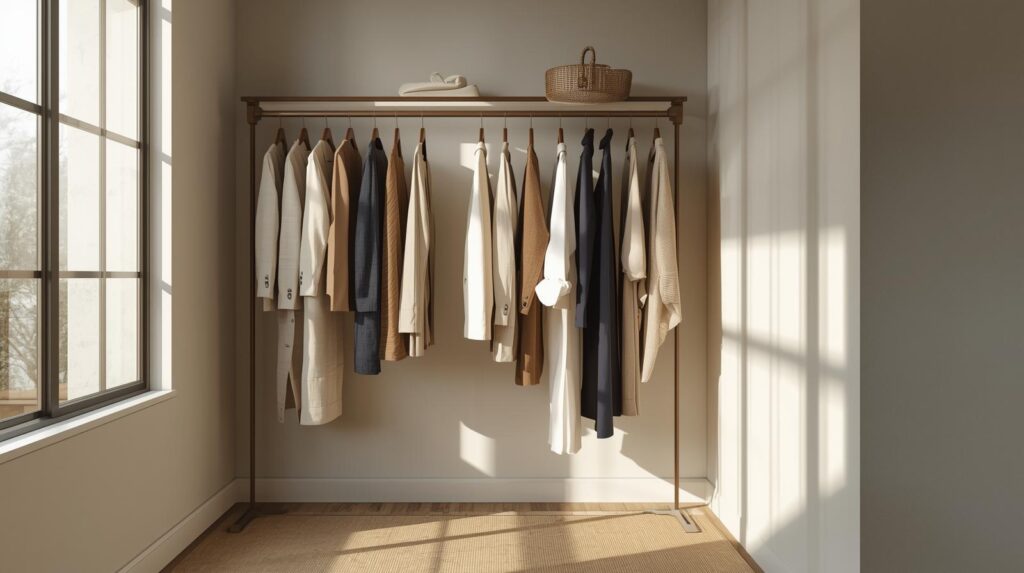
- The Palette: Pick a lane. Are you a warm tone person (creams, browns, golds) or a cool tone person (blacks, greys, blues)? A Forever Wardrobe is modular. Everything should match everything else. This maximizes your outfit combinations while minimizing the number of items you own.
The Return of Care
The final pillar of the 2026 fashion philosophy is maintenance. In the fast fashion era, when a button fell off, we tossed the shirt. In the Forever Fashion era, we sew it back on.
We are seeing a resurgence in cobblers, tailors, and dry cleaners. Buying from Peek & Cloppenburg or Farfetch is a commitment to care. You treat these clothes with respect. You fold your sweaters instead of hanging them (so they don’t stretch). You polish your boots. You use a steamer.
This ritual of care deepens your relationship with your things. You stop viewing them as disposable commodities and start viewing them as companions on your journey.
Conclusion: The Freedom of Opting Out
There is a profound sense of relief in stepping off the trend treadmill. You no longer have to panic because you don’t own “leopard print” this month. You no longer feel the pressure to constantly consume to stay relevant.
By curating a wardrobe from trusted sources—investing in the outerwear from Peek & Cloppenburg, the designer anchors from Farfetch or Zalando, the reliable premiums from Noon, and the impeccable fits from Yours Clothing—you are building a visual identity that is uniquely yours.
2026 is the year we stop dressing for the internet and start dressing for ourselves. It is the year we realize that true style isn’t about what’s new; it’s about what lasts.