This article contains affiliate links. If you purchase or book through these links, we may earn a commission at no additional cost to you.
The thermometer reads -20°C. The wind chill is pushing -30. In Montreal, the Metro has broken down (again), leaving commuters shivering on a platform. Meanwhile, in the Canadian Rockies, a hiker is knee-deep in powder, sweating through their layers as they ascend a ridge.
These are two very different winters. But they share a common enemy: the price tag of survival.
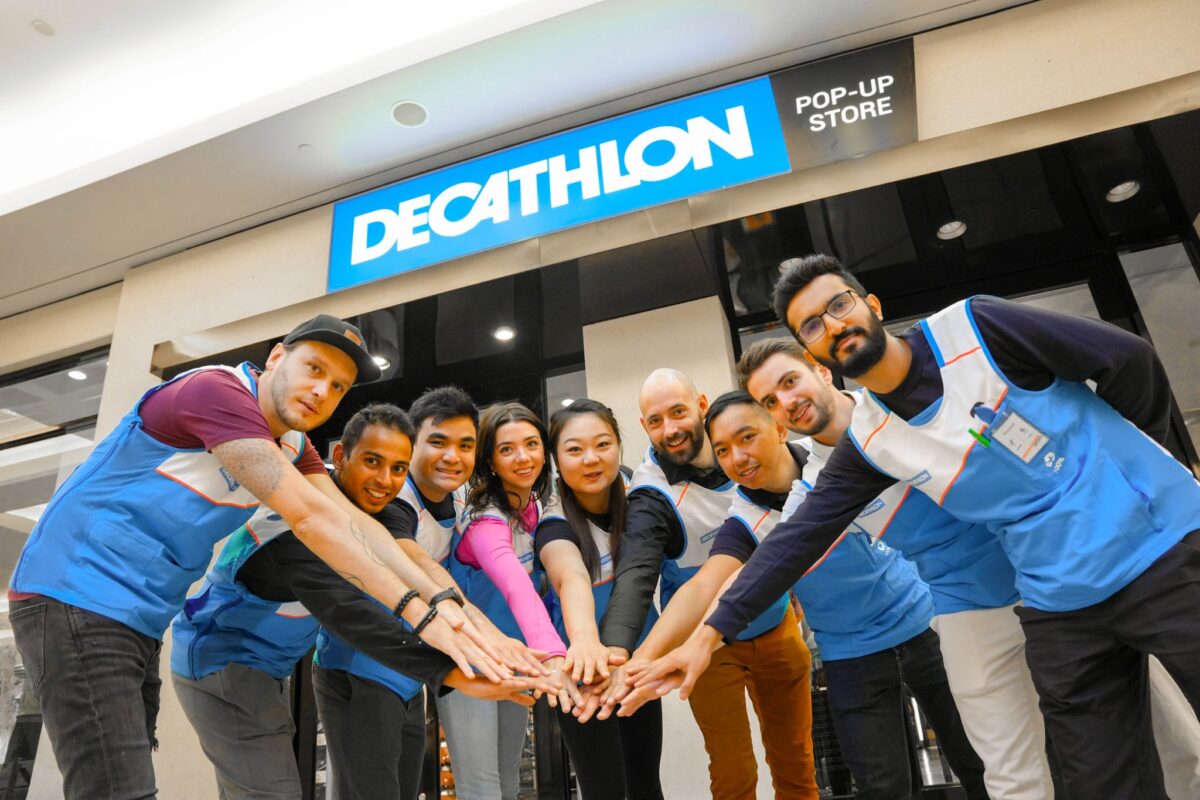
Can you actually stay warm in a Canadian February for under $150? We’re not talking about just surviving; we’re talking about being comfortable. To prove it’s possible, we raided the clearance aisles of Decathlon to build two distinct survival kits: one for the urban warrior battling wind tunnels between skyscrapers, and one for the outdoor enthusiast chasing views in Banff.
Here is the breakdown of the $150 Winter Survival Challenge.
The Urban Commuter Kit
The Battlefield: Toronto/Montreal Transit
The Enemy: Damp cold, slush, and waiting for buses that never come.
The Strategy: Layering for static warmth. You aren’t moving much, so your gear needs to trap heat aggressively.
1. The Legs: Quechua MH100 Fleece Hiking Tights ($18 – $25) Forget standard long johns. The secret weapon for the urban commuter is the Quechua MH100 Fleece Hiking Tights. Designed for mountain hiking, they look discreet enough to pass as activewear or thick leggings in the city. The brushed fleece interior traps dead air, creating a microclimate against your skin that standard cotton leggings simply can’t match. At under $25, they are cheaper than a single Uber ride you’d take to avoid the cold.
2. The Core: Forclaz MH100 Fleece ($15 – $20) This is the workhorse of the Decathlon lineup. The Forclaz MH100 is made from recycled polyester and offers a warmth-to-weight ratio that rivals high-end brands like Patagonia. It’s breathable but dense enough to stop the draft in a subway station. In the city, you wear this under your main coat. It acts as the furnace, capturing your body heat before it escapes.
3. The Hands: Kiprun Warm+ Touchscreen Gloves ($12 – $15) There is nothing worse than having to expose your hand to the biting wind just to check a transit app. The Kiprun Warm+ gloves are designed for runners, meaning they are form-fitting and don’t reduce your dexterity to “oven mitt” levels. The conductive fabric on the index finger and thumb is surprisingly responsive. For $15, they save your fingers from frostnip while you doom-scroll during delays.
Total Cost: ~$55.00
Verdict: You have nearly $100 left over. Use it to buy a decent windbreaker shell or a monthly transit pass.
The Weekend Warrior Kit
The Battlefield: The Canadian Rockies / Quebec Backcountry
The Enemy: Deep snow, sweat freezing on your skin, and altitude.
The Strategy: Moisture management. You will be sweating, and if that sweat freezes, you’re in trouble.
1. The Foundation: Wedze BL 100 Base Layers (Top & Bottom) ($20.00) In the mountains, cotton kills. You need synthetics. The Wedze BL 100 series (ski base layers) are priced ridiculously low, often $10 per piece. They aren’t fancy, but they do the one thing you need: they wick moisture away from your skin. When you are hiking up a grade in Banff, you want that sweat to move to your outer layers immediately. These are the best bang-for-your-buck insurance policy against hypothermia.
2. The Face Protection: Wedze Fleece Balaclava ($8.00) The wind at the top of a peak doesn’t care about your moisturizer. You need full coverage. The Wedze Fleece Balaclava is lightweight, fits under a hood or helmet, and protects the nose and cheeks, the first places to get frostbite. For the price of a latte, it’s a non-negotiable piece of safety gear.
3. The Heavy Lifter: Quechua SH100 Easy Snowshoes ($85.00) This is the main event. Renting snowshoes in a resort town like Jasper or Mont-Tremblant can cost $40 a day. Buying your own changes the math entirely. The Quechua SH100 models are often found in the $80 range (and sometimes dip lower on clearance).
- The Review: These aren’t for climbing Everest. They are “recreational” snowshoes, perfect for flat to rolling terrain. They use a simple ratchet binding system (easy to use with gloves on) and have steel crampons for grip on icy patches. For a beginner looking to explore trails without post-holing up to their waist, they are flawless.
Total Cost: ~$113.00
Verdict: You are fully equipped for a winter adventure for less than the cost of a single high-end ski jacket.
The Final Tally
- Urban Kit: $55
- Mountain Kit: $113
Both kits prove that the barrier to entry for Canadian winter isn’t money, it’s knowledge. By targeting specific clearance lines and prioritizing fabric technology (fleece and synthetics) over brand names, you can build a loadout that keeps you warm whether you are waiting for the 504 Streetcar or summiting a ridge in Kananaskis.
Winter is coming. But for $150, you can be ready for it.