The life of a freelancer or microbusiness owner is defined by wearing multiple hats. On any given day, you are the CEO, the marketing department, the lead creator, and the customer service representative. But perhaps the most critical hat you wear is that of the accounts receivable department. After the long hours, the endless revisions, and the late nights, the final step of the transaction is supposed to be the easiest: getting paid.
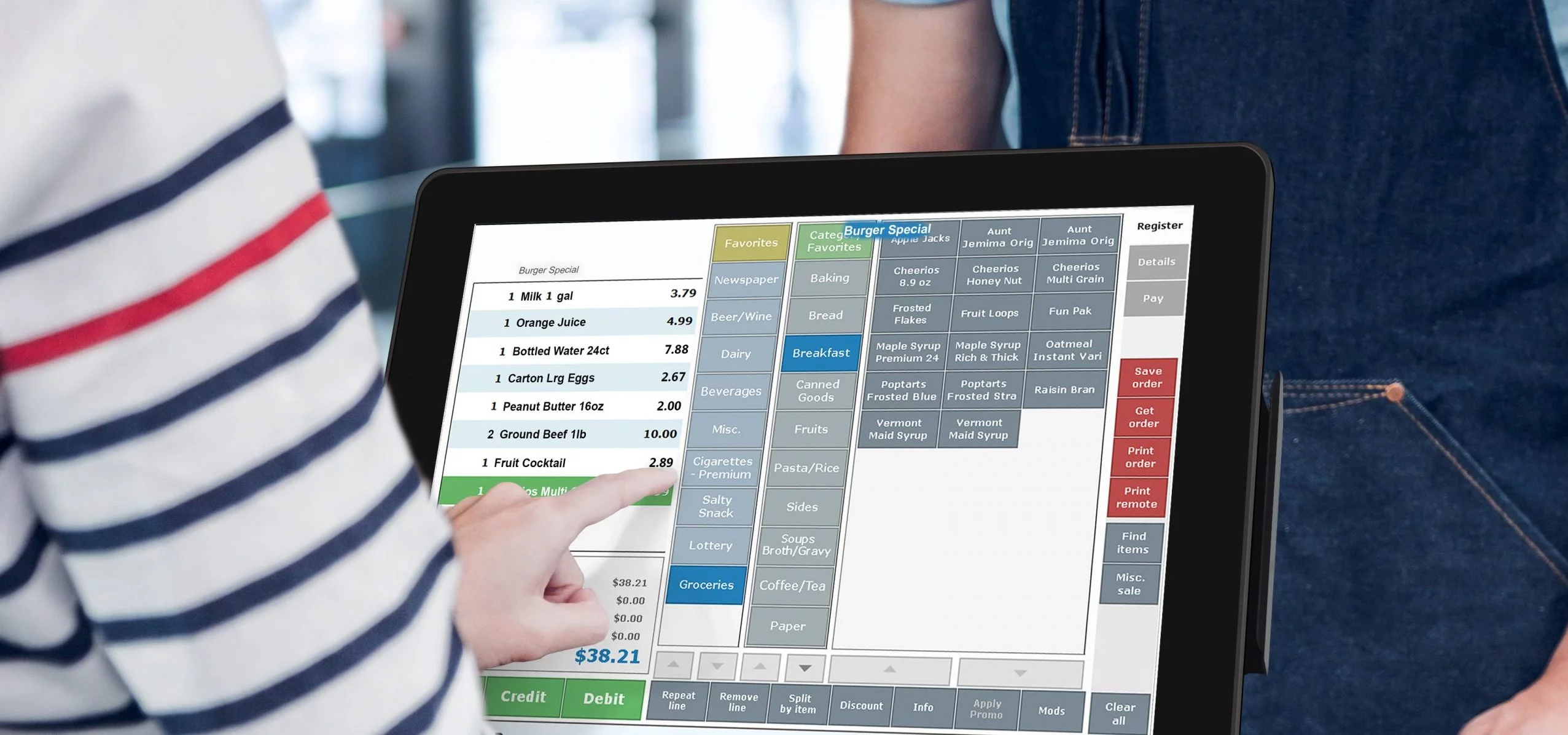
Yet, for many independent workers and small-scale entrepreneurs, accepting payments remains a significant point of friction. Historically, the business world was built around traditional brick-and-mortar setups, where heavy, expensive Point of Sale (POS) systems were the norm. These systems are fantastic for high-volume grocery stores or bustling restaurants, but if you are a freelance graphic designer, a roaming consultant, or a weekend artisan at a local farmer’s market, a traditional POS is not just overkill, it is a financial burden.
Fortunately, the financial technology landscape has evolved dramatically. You no longer need a bulky cash register, a dedicated landline, or a massive hardware investment to look professional and securely process a client’s credit card. This editorial explores the problem with legacy systems and provides a comprehensive guide on how to seamlessly accept payments without a traditional POS.
The Trap of the Traditional POS System
To understand why alternative payment solutions are necessary, we first need to validate the frustration that drives freelancers away from traditional setups.
Legacy POS systems are inherently hostile to the microbusiness model. First, there is the issue of cost. Traditional setups often require expensive hardware leases, sometimes costing hundreds of dollars a month, just for the privilege of having a terminal on a counter. On top of that, businesses are typically locked into long-term merchant account contracts riddled with hidden fees: statement fees, PCI compliance fees, batch fees, and confusing tiered transaction rates.
Second, there is the lack of mobility. A traditional POS tethers you to a specific physical location. If your business model involves traveling to client sites, operating out of a co-working space, or selling goods at a pop-up event, a wired-in system is fundamentally useless.
Finally, traditional POS systems often lack the agility required by modern freelancers. They don’t easily integrate with modern freelance workflows, like sending a quick digital invoice after a consultation or dropping a payment link into an email thread. You need solutions that are as agile and dynamic as your business model.
Solution 1: Mobile Point of Sale (mPOS) Systems
For microbusinesses that still conduct face-to-face transactions, such as personal trainers, craft fair vendors, or mobile dog groomers, a mobile POS (mPOS) is the perfect bridge between the physical and digital worlds.
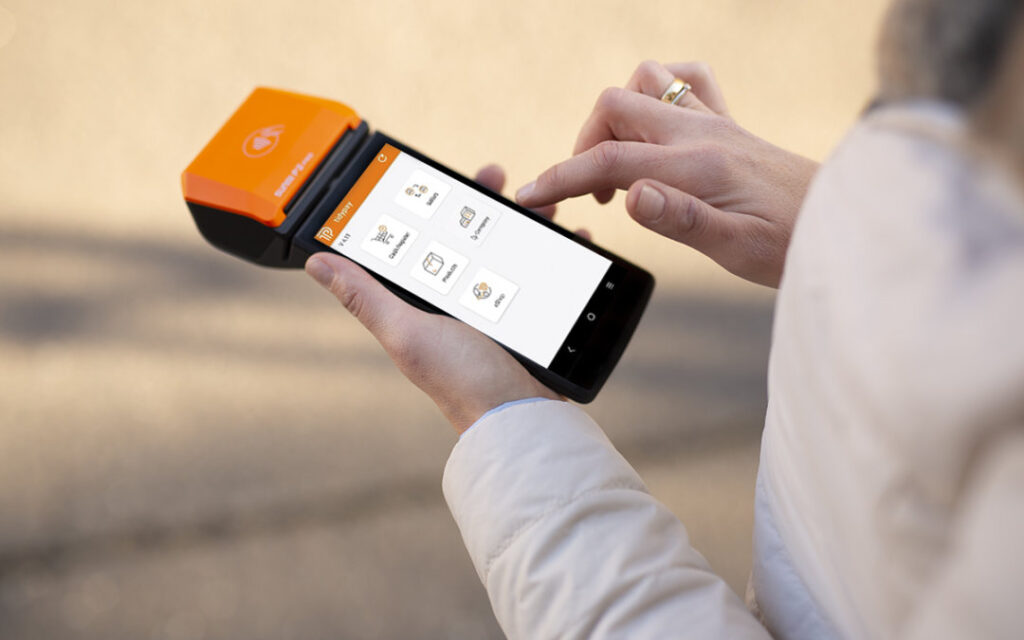
An mPOS essentially turns your existing smartphone or tablet into a fully functioning cash register. It typically involves a small piece of hardware (often a dongle that plugs into your device’s charging port or connects via Bluetooth) and a companion app.
These card readers allow you to swipe, dip (EMV chip), or tap (NFC for Apple Pay and Google Pay) customer cards right on the spot. Pioneers in this space, like Square, changed the game by offering simple, flat-rate pricing and free basic hardware, allowing anyone with a smartphone to become a merchant overnight.
The Advantages:
- Low Barrier to Entry: The hardware is inexpensive (or free), and there are rarely monthly subscription fees for the basic software; you only pay a percentage when you make a sale.
- Extreme Portability: If you have cell service or Wi-Fi, you can accept payments anywhere in the world.
- Professional Appearance: Tapping a card on a sleek reader looks incredibly professional and instills trust in your clients.
Solution 2: Smart Digital Invoicing
If your freelance business is primarily service-based and operates remotely, think copywriters, web developers, virtual assistants, or business consultants, you likely don’t need physical hardware at all. For you, the invoice is your storefront.
Gone are the days of creating a static PDF invoice, emailing it to a client, and waiting 30 days for a physical check to arrive in the mail. Today’s invoicing software comes with integrated payment processing. Platforms like Wave, FreshBooks, or specialized freelance tools allow you to generate professional, itemized invoices that include a “Pay Now” button right in the document.
The Advantages:
- Faster Payouts: By removing the friction for the client, you get paid faster. The client simply clicks the button, enters their credit card or bank transfer (ACH) details, and the funds are routed to you.
- Automated Tracking: These systems automatically track who has viewed the invoice, who has paid, and who is overdue.
- Automated Reminders: You can set the software to send polite, automated follow-up emails to clients who are late on their payments, removing the awkwardness of having to chase them down yourself.
Solution 3: Payment Links and “Buy” Buttons
Sometimes, generating an entire invoice feels too formal, or setting up an online store feels too complex for a single product or service. This is where payment links shine.
A payment link is exactly what it sounds like: a unique URL generated by your payment processor (like Stripe or PayPal) that directs the customer to a secure checkout page. You can customize this page with your logo, the amount due, and a brief description of the service.
How to Use Them:
- Social Media: If you do custom portrait commissions on Instagram, you can simply send the payment link via Direct Message once the client agrees to the terms.
- Email Signatures: You can embed payment links for standard consulting hours directly into your email signatures.
- Text Messaging: For clients you communicate with via SMS, dropping a secure link is the fastest way to close a transaction.
Payment links offer the ultimate flexibility. They require zero coding knowledge and can be distributed through any digital communication channel you already use.
Solution 4: QR Code Payments
QR codes made a massive resurgence over the last few years, transitioning from a marketing gimmick to a vital operational tool. For microbusinesses, QR codes represent a frictionless, contactless payment method that requires absolutely zero hardware.
You generate a unique QR code through your payment provider. When a customer scans it with their smartphone camera, they are instantly redirected to a secure payment portal where they can complete the transaction using their phone’s native wallet (like Apple Pay) or by manually entering their card details.
Best Use Cases:
- Printed Marketing Materials: Add your payment QR code to your business cards, flyers, or brochures.
- Live Events: Print a large QR code and place it on your table at a craft fair or trade show. Customers can scan, pay, and show you the confirmation screen without you ever needing to handle their credit card.
- In-Person Services: Handymen or landscapers can have the QR code saved as the lock screen on their phone, letting the client scan it as soon as the job is done.
Solution 5: Peer-to-Peer (P2P) Apps and Digital Wallets
We cannot discuss microbusiness payments without addressing apps like Venmo, Zelle, Cash App, and standard PayPal. Because consumers use these apps daily to split dinner bills or pay rent, they are incredibly comfortable using them.
As a freelancer, accepting payments via P2P apps can be a double-edged sword. On one hand, the convenience is unmatched. On the other, using personal accounts for business transactions can violate the platform’s terms of service and muddy your accounting.
The solution is to use the Business Versions of these applications. Setting up a Venmo for Business or a PayPal Business account ensures you are compliant, offers better purchase protection for your clients, and keeps your professional income distinctly separate from your personal funds.
While P2P apps might lack the hyper-professional sheen of an itemized invoice, they are highly effective for informal, fast-paced transactions, particularly for side-hustlers and local service providers.
Integrating Payments with Your Accounting
One of the greatest hidden benefits of abandoning the traditional POS in favor of modern digital solutions is the backend integration. When you run a microbusiness, bookkeeping is often the task that gets pushed to the weekend.
Modern payment solutions almost universally integrate directly with popular accounting software like QuickBooks, Xero, or even simple Google Sheets. Every time a client pays an invoice or taps their card on your mobile reader, the transaction is automatically logged, categorized, and reconciled. This not only saves you hours of manual data entry but also ensures that when tax season arrives, your records are immaculate.
Building Trust and Ensuring Security
A common concern when moving away from established, bulky POS systems is whether these lightweight solutions are secure. It is a valid concern, when you are handling a client’s financial data, trust is paramount.
The reality is that modern digital payment solutions and mPOS devices are often more secure than legacy magnetic stripe readers. They utilize end-to-end encryption and tokenization, meaning the actual credit card numbers are never stored on your device or your servers. Furthermore, by using established gateways (like Stripe, PayPal, or specialized bank processors), the burden of PCI compliance (Payment Card Industry Data Security Standard) is largely shifted off your shoulders and onto the provider’s highly secured infrastructure.
As a microbusiness, you can confidently tell your clients that their data is being handled by bank-level security protocols, reinforcing your professionalism and their peace of mind.
Empowering Your Business
The days of needing a physical storefront and a heavy cash register to be considered a “real” business are long gone. The modern economy is fluid, digital, and highly decentralized. Your payment systems should reflect that reality.
Whether you choose to arm yourself with a sleek mobile card reader, rely on automated digital invoicing, or embrace the simplicity of QR codes and payment links, the goal remains the same: reduce friction. By making it as easy as possible for your clients to hand you their money, you improve cash flow, reduce administrative headaches, and free up your time to focus on what you actually love doing, running and growing your business.
The tools are out there, they are accessible, and they are designed specifically for entrepreneurs like you. Take control of your checkout experience, and never let a clunky payment process stand between you and your hard-earned revenue again.