This article contains affiliate links. If you purchase or book through these links, we may earn a commission at no additional cost to you.
There is a moment in every crafter’s life when a friend, a family member, or even a complete stranger holds up something you’ve made and asks, “Where did you buy this?” When you smile and reply that you made it yourself, the inevitable follow-up is always: “You should sell these.”
Today, the leap from a dining room table hobbyist to a legitimate digital solopreneur running a profitable Etsy shop is shorter than ever. The demand for custom apparel, personalized mugs, bespoke wedding invitations, and quirky stickers is skyrocketing. Yet, thousands of aspiring creators never take the plunge. Why? Because they are paralyzed by the upfront cost of crafting technology.
If you have been holding back because you think you can’t afford a high-end Cricut machine or a professional-grade Brother sewing machine, you are looking in the wrong places. It is time to shift your perspective. This isn’t just about crafting anymore; it’s about launching a business. And your secret weapon for getting started this very weekend isn’t a Silicon Valley incubator, it’s QVC.
The Gear Fear: Beating the Startup Cost
Let’s be candid: professional crafting technology is an investment. If you walk into a big-box craft store and look at the flagship machines, like the Cricut Maker 3 or a Brother computerized sewing and quilting machine, you are staring at price tags that range from $300 to over $500.
For someone just starting out, dropping half a thousand dollars on a machine is terrifying. But that sticker shock is only half the story.
The harsh reality of buying crafting tech at a standard retail store is that you are buying just the machine. When you unpack that shiny new gadget on your kitchen table, you quickly realize you can’t actually make anything yet. You still need to buy the vinyl. And the transfer tape. And the specialized cutting mats. And the weeding tools, the fine-point blades, and the blanks (the blank shirts, mugs, or bags you will be customizing).
By the time you have purchased all the necessary accessories to create your first product, your $300 investment has easily ballooned to $500 or $600. This “hidden overhead” is what crushes the dreams of aspiring Etsy sellers before they even begin.
This is the traditional retail trap. To escape it, you have to change where, and how, you buy your equipment.
The QVC Advantage: The King of the Exclusive Bundle
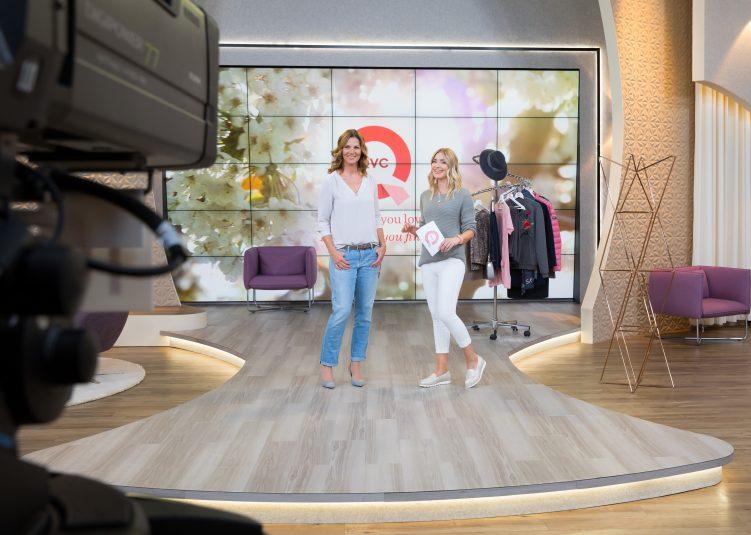
When most people think of QVC, they might picture late-night television and jewelry sales. If that is your perception, you are missing out on one of the best-kept secrets in the e-commerce world. In the crafting community, QVC is the undisputed king of the Exclusive Crafting Bundle.
QVC operates on a completely different retail model than your local craft superstore. Because of their massive buying power and direct relationships with brands like Cricut, Brother, and Silhouette, they don’t just sell you a machine in a box. They curate comprehensive “business-in-a-box” bundles that you simply cannot find anywhere else.
Let’s look at a real-world comparison.
The Big-Box Store Experience: You buy a premium cutting machine for $399. You get the machine, a power cord, one standard blade, and maybe a few sample pieces of cardstock. You leave the store and immediately have to spend another $150 on materials just to practice.
The QVC Bundle Experience: You buy the exact same premium cutting machine. But the QVC box arrives packed to the brim. Alongside the machine, you might receive:
- An assortment of Smart Vinyl (Permanent and Removable) in multiple colors.
- Rolls of Iron-On (HTV) for apparel.
- Transfer tape.
- A complete set of specialized weeding and scraping tools.
- Multiple cutting mats with varying grip strengths.
- Premium specialty paper, pens, or foil transfer kits.
These exclusive bundles routinely include over $100 to $200 worth of extra, high-quality materials. QVC hands you the machine and the inventory you need to start producing sellable items on day one. You aren’t just buying a tool; you are buying the raw materials to create your first batch of Etsy products.
The Cash-Flow Hack: Launching for Under $50
Even with hundreds of dollars in bundled extras, a premium machine still carries a premium price tag. If you are launching a side hustle, cash flow is everything. You want to keep your initial out-of-pocket expenses as low as possible so you can start turning a profit immediately.
This is where QVC transitions from a great retailer to an essential business partner for the digital solopreneur. The secret is their Easy Pay system.
Unlike credit cards that charge you exorbitant interest rates, or “Buy Now, Pay Later” apps that require hard credit checks and confusing terms, QVC’s Easy Pay is remarkably straightforward. They take the total price of your bundle and split it into manageable monthly installments, usually 3, 4, or 5 Easy Pays, billed to your existing debit or credit card. With zero interest.
Let’s run the math on how this acts as a cash-flow hack for your new Etsy business:
Imagine a massive Cricut bundle on QVC priced at $250. If it is offered on “5 Easy Pays,” your initial out-of-pocket cost today is just $50 (plus tax and shipping).
For $50, the machine and all the bundled materials are shipped to your door immediately. You do not have to wait until it is paid off to receive it.
Here is your business strategy:
- You pay your first $50 Easy Pay on a Friday.
- The machine arrives a few days later.
- You use the included bundle materials to create custom mugs, shirts, or decals over the weekend.
- You list them on Etsy.
- You sell your first few items over the next two weeks.
By the time your second Easy Pay of $50 is due a month later, your Etsy shop has already generated the revenue to pay for it. The machine is literally paying for itself. You have successfully launched a small business, acquired top-tier professional technology, and secured your starting inventory for less than the cost of a dinner out.
Your Weekend Launch Plan
Now that the financial barriers are out of the way, it is time to execute. You can transform your dining room into a fulfillment center this weekend by following these actionable steps.
Step 1: Claim Your Digital Real Estate
Before the machine even arrives, secure your brand. Brainstorm a memorable, searchable name for your shop. Go to Etsy and register your shop name. Set up your Instagram and TikTok handles using the same name. You don’t need products yet; you just need to plant your flag.
Step 2: Choose Your Initial Niche
Do not try to be everything to everyone right out of the gate. The most successful new Etsy shops focus on a specific niche.
- Apparel: Bachelorette party shirts, cozy minimalist sweatshirts, or clever gym wear.
- Drinkware: Personalized tumblers, custom coffee mugs, or etched wine glasses.
- Paper Goods: Custom planner stickers, detailed wedding invitations, or personalized greeting cards. Pick one category to start. This keeps your mind focused and prevents you from feeling overwhelmed.
Step 3: Secure Your Tech on QVC
Head to QVC and search for the crafting bundles that align with your niche. If you chose apparel or drinkware, look for a Cricut or Silhouette bundle. If you are leaning toward custom embroidery or fabric crafts, look for a Brother sewing machine bundle. Filter by “Easy Pay” to lock in that low initial investment.
Step 4: Master the Software
While you wait for shipping, download the design software associated with your machine (like Cricut Design Space). The software is free to download. Spend your evenings watching YouTube tutorials. Learn how to import SVG files, manipulate text, and understand layers. When the physical machine arrives, you will already be a step ahead.
Step 5: Photograph and Publish
When your QVC bundle arrives, unpack everything. Make three to five flawless prototype items using your bundled vinyl and materials. Find a spot in your house with bright, natural sunlight, and take high-quality photos of your creations using your smartphone. Upload these to your Etsy shop with clear, descriptive titles and SEO-friendly tags.
Click publish. You are officially open for business.
Scaling Up: The Solopreneur Mindset
Launching is just the beginning. As your shop grows, the mindset you established on day one will determine your long-term success. And QVC is the head starter of your journey!
Treat your craft like a business, not a hobby. Reinvest your early profits back into your shop. Once your machine has paid for itself via your Easy Pay installments, use your ongoing revenue to buy wholesale blanks, experiment with new materials, or even upgrade to a heat press to speed up your production time.
Because you started smart, leveraging exclusive bundles and managing your cash flow effectively, you won’t be digging yourself out of debt. You will be operating in the black from your very first month.
Frequently Asked Questions
What tools do I need to start an Etsy shop?
You’ll need crafting tools, packaging supplies, a reliable printer, and possibly a cutting machine depending on your products.
How much does it cost to start an Etsy shop?
Startup costs can be low, depending on your niche. Many sellers begin with minimal investment and scale over time.
Can I run an Etsy shop part-time?
Yes, many successful sellers start part-time and grow their business gradually.