This article contains affiliate links. If you purchase or book through these links, we may earn a commission at no additional cost to you.
The airport is one of the most fascinating liminal spaces on earth. It is a place where time seems to simultaneously stand still and sprint forward, where you can eat a full steak dinner at 6:00 AM, and where the collective anxiety of thousands of people hums quietly beneath the fluorescent lights. For the novice traveler, navigating an airport can feel like running an obstacle course designed by a sadist. Between the security lines, the gate changes, and the overpriced bottled water, it is easy to start your vacation feeling completely depleted before you even board the plane.
But it does not have to be this way.
Experienced travelers don’t possess superpowers; they simply rely on a well-rehearsed system. They know that a stress-free travel experience isn’t about luck, it is about preparation. By taking control of the variables you can actually manage, you transform the airport from a chaotic hurdle into a seamless starting line for your adventure.
If you are tired of the pre-flight panic, it is time to upgrade your routine. Here is the ultimate checklist of airport hacks every traveler needs to know to glide through the terminal like a seasoned pro.
1. The Digital Backup: Photograph Your Passport and Documents
Let’s start with the ultimate travel nightmare: losing your identification. A lost passport or missing boarding pass can instantly derail a trip, costing you thousands of dollars and untold amounts of stress. Physical documents are fragile. They can be dropped, stolen, or accidentally left in the pocket of the jacket you just stuffed into the overhead bin.
The Hack: Long before you leave for the airport, take high-quality photos of your passport (the photo page and signature page), your driver’s license, your travel insurance policy, and your visa documents.
But don’t just leave them sitting in your phone’s camera roll mixed in with pictures of your dog.
- Email them to yourself: Create a dedicated folder in your inbox so you can access them from any computer in the world, even if your phone is lost.
- Save them to a secure cloud drive: Google Drive, Dropbox, or iCloud work perfectly. Make sure they are available offline.
- Share them with a trusted contact: Send a copy to a family member or close friend back home. If you are ever in a bind at an embassy, having someone who can easily access and forward your documents is a lifesaver.
Having a digital copy won’t replace your physical passport at border control, but it will exponentially speed up the process of getting a replacement at your local embassy. It provides peace of mind, which is the most valuable currency you can carry.
2. Power Autonomy: Pack a High-Capacity Portable Charger
Picture this: You are at the gate. Your flight has been delayed by two hours. Your phone battery is at 14%, and you desperately need it to show your digital boarding pass and navigate your arrival city. You frantically scan the waiting area, only to find that every single wall outlet is being hoarded by other desperate travelers sitting on the floor in uncomfortable positions.
The Hack: Never rely on the airport or the airplane for power. Invest in a high-capacity portable power bank and pack it in your personal item (never put lithium-ion batteries in your checked luggage, as it violates aviation safety rules).
Many novice travelers assume they can just plug their phone into the USB port on the seatback screen once they board. This is a rookie mistake. Airplane USB ports are notoriously unreliable; they are frequently broken, disabled, or they provide such a low-voltage trickle charge that your phone will actually lose battery if you are using it while it’s plugged in.
Bring a power bank that holds at least 10,000mAh (enough to charge a standard smartphone two to three times). You become completely autonomous. You can sit wherever you want in the terminal, comfortably watching movies or texting family, without tethering yourself to a pillar just for an electrical outlet.
3. The Offline Oasis: Download Netflix Shows and Spotify Playlists
We live in a streaming world, which means we are entirely dependent on a stable internet connection for our entertainment. But airports and airplanes are dead zones for connectivity. Free airport Wi-Fi is often painfully slow, restricted by time limits, or bogged down by thousands of users. In-flight Wi-Fi, if it works at all, is outrageously expensive and rarely strong enough to stream video.
The Hack: Create your offline oasis before you even pack your bags.
- Video: Open your Netflix, Amazon Prime, or Hulu apps and download an entire season of a show or three movies. Do not just download enough for the flight, download enough to cover a potential four-hour delay on the tarmac.
- Audio: Download a massive playlist on Spotify or Apple Music, along with several hours of podcasts.
- Logistics: Go to Google Maps and download an offline map of your destination city. If you arrive and your internet isn’t working right away, you will still be able to find your hotel.
Relying on the airline’s in-flight entertainment system is a gamble. Sometimes the screen is broken, sometimes they don’t have movies you want to watch, and sometimes you end up on an older aircraft with no screens at all. By bringing your own downloaded content, you guarantee your own comfort.
4. The Hydration Strategy: Bring an Empty Water Bottle
Once you pass through the TSA security checkpoint, the rules of economics completely change. A standard bottle of water, which costs a dollar at your local grocery store, suddenly costs five or six dollars at the terminal kiosk. It is the most universal airport rip-off, and novice travelers fall for it every single time because flying is incredibly dehydrating. The cabin air is exceptionally dry, and staying hydrated is the best way to fight off jet lag and travel fatigue.
The Hack: Pack a high-quality, reusable, empty water bottle in your carry-on bag.
Security regulations state you cannot bring liquids over 3.4 ounces (100ml) through the scanners, but they say nothing about the container itself. Bring a Yeti, a Hydro Flask, or even a simple Nalgene bottle. Once you are successfully through the security line, look for the hydration stations that are now standard in almost every major modern airport.
Fill it up for free before you board. You will save money, reduce single-use plastic waste, and guarantee you have enough water for the flight without having to wait an hour for the flight attendants to bring the beverage cart down the aisle.
5. App Central: Download Your Airline’s App
If you are still waiting for gate announcements over the crackling airport intercom system, you are living in the past. Flight information changes rapidly. Gates shift, delays happen, and boarding times are moved up without warning.
The Hack: Download the specific app for the airline you are flying with and make sure your push notifications are turned on.
The airline app is your direct line to the control center. In many cases, the app will notify you of a gate change or a delay before the information even appears on the physical departure screens in the terminal. The app also allows you to track your checked luggage, view the standby upgrade list, and access the in-flight entertainment portal (many modern planes require you to stream their movies directly to your own device via their app).
6. The Arrival Transition: Sorting Your Internet
This brings us to the final, and perhaps most critical, hack of the modern travel experience. You have survived the airport, you have boarded the plane, you watched your downloaded shows, and you have finally landed in a new country.
Now what?
The moment you turn off Airplane Mode, you are hit with a barrage of texts and a terrifying notification from your home carrier about international data roaming charges, which can cost upwards of $10 to $15 a day. The old-school method was to wander around a foreign airport, exhausted, trying to find a kiosk that sells physical local SIM cards, fumbling with a tiny paperclip to pop open your phone, and risking losing your original SIM card in the process.
It is an outdated, stressful way to begin a vacation.
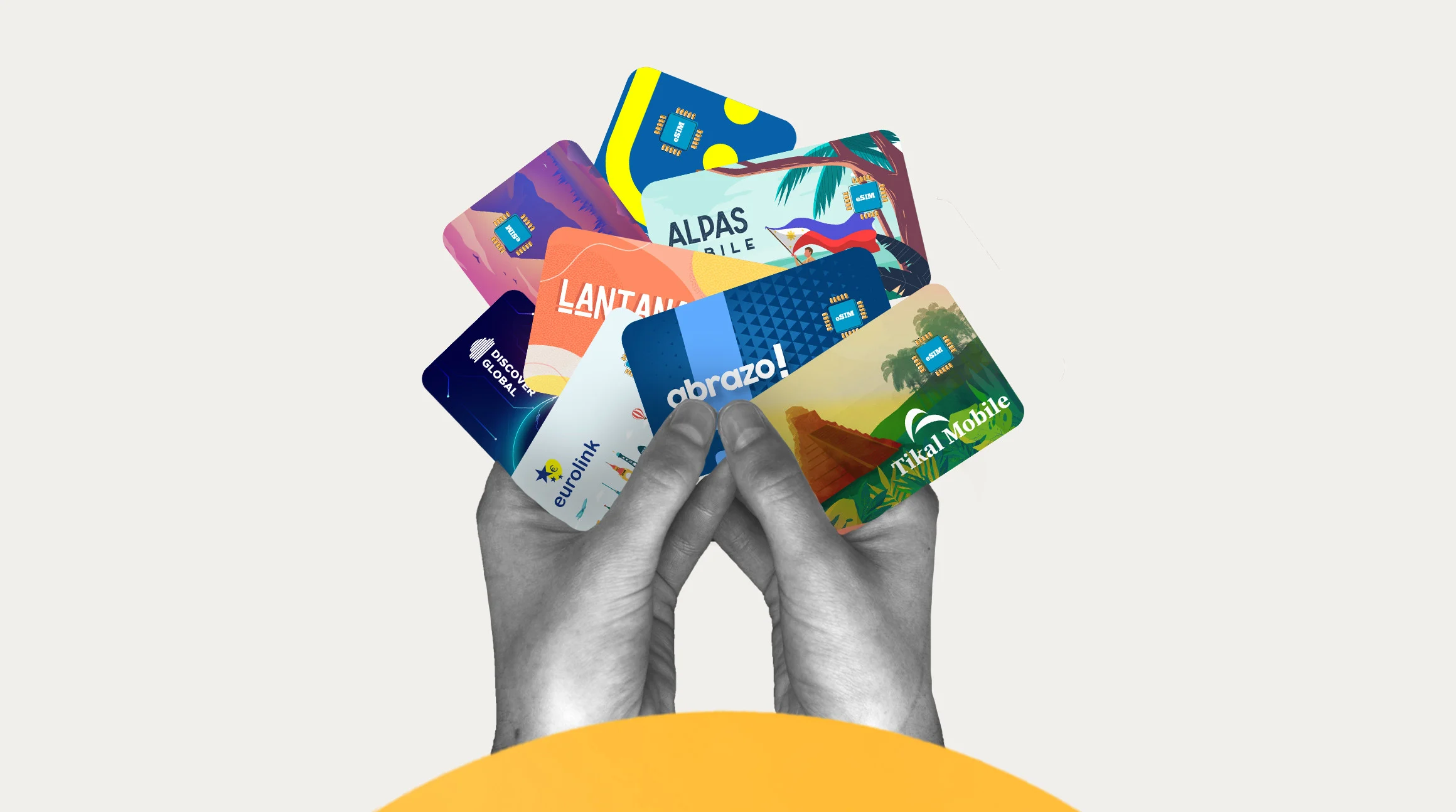
The Hack: Welcome to the era of the eSIM. An eSIM (embedded SIM) allows you to download a digital data pack directly to your phone without having to swap out any physical hardware.
The biggest mistake travelers make is assuming they can figure out their internet situation after they land. Avoid the stress by setting up an Airalo eSIM while you are still sitting at your departure gate. By purchasing your data plan through Airalo beforehand, your phone will automatically connect to the local network the moment the plane’s tires hit the runway.
Imagine landing in Paris or Tokyo and instantly having high-speed data to order an Uber, check your Airbnb instructions, or translate a sign, all while everyone else on your flight is still scrambling to connect to the spotty airport Wi-Fi. It is the ultimate travel hack, turning a moment of high anxiety into total seamlessness.
Travel will always have its unpredictable moments, but by employing these simple, strategic hacks, you can insulate yourself from the chaos. Take control of your documents, your power, your entertainment, and your connectivity. The world is waiting for you; there is no reason the airport should hold you back.