This article contains affiliate links. If you purchase or book through these links, we may earn a commission at no additional cost to you.
The “Great Summer Migration” is changing course. For decades, the default vacation strategy was simple: find the sun, fly south, and fry. But after the relentless heatwaves of 2024 and 2025, where Mediterranean favorites like Sicily and Seville regularly breached 40°C, travelers are voting with their feet. The allure of the sun lounger is melting away, replaced by a craving for crisp air, midnight sun, and the ability to hike without risking heatstroke.
Welcome to the era of the “Coolcation”.
In 2026, the status symbol isn’t a tan; it’s a high-performance thermal layer. Tourism boards in Scandinavia, Scotland, and Canada are reporting record interest for July and August, not despite their lower temperatures, but because of them. Here is why the “Coolcation” is the defining travel trend of 2026, and how to execute it without freezing.
The New Big Three: Fjords, Highlands, and Lakes
The geography of desire has shifted north. The goal is no longer to escape the cold, but to escape the heat.
1. Scandinavia: The Kingdom of Cool
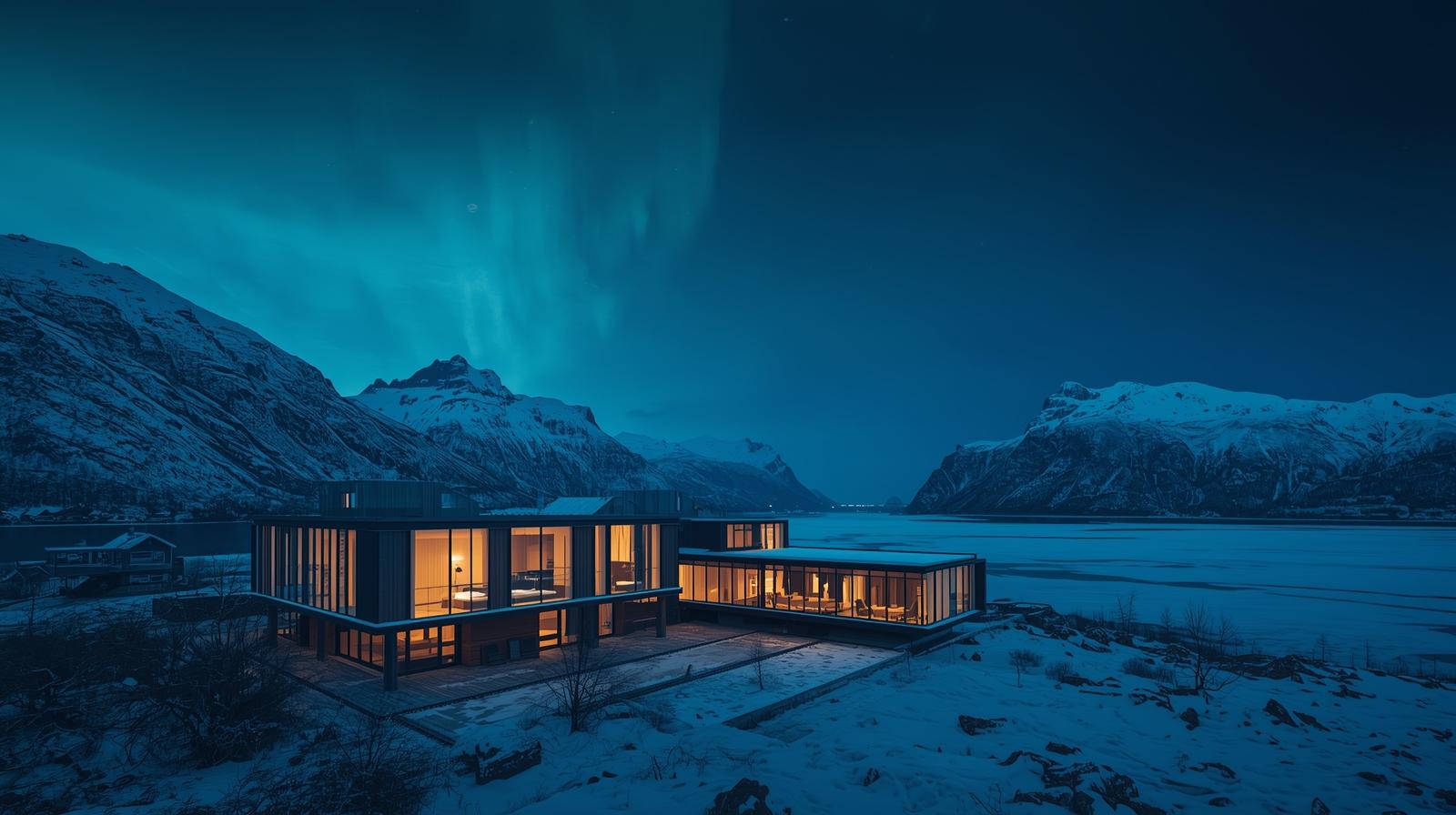
If you want to understand the “Coolcation,” look at Norway. The fjords offer a dramatic antidote to the crowded beaches of the Amalfi Coast. The air is oxygen-rich, the water is glacial, and the light lasts for 20 hours a day.
- The Gear: Even in July, northern temperatures can fluctuate. This isn’t the place for cotton; you need moisture-wicking tech. Decathlon’s Forclaz MT500 Merino wool shirts are the ultimate “Coolcation” staple, natural temperature regulation that stays fresh even after a three-day trek.
- The Strategy: Use Skyscanner’s “Multi-city” tool to link Oslo, Bergen, and Tromsø. Domestic flights can be volatile, so booking these legs together often yields the best value.
- Where to Stay: 2026 is about “hygge.” Scandic Hotels offer the gold standard for Nordic comfort, including legendary breakfast buffets to fuel your ascent.
- The Tech Essential: Don’t let the isolation cut you off. Before you leave, download an Airalo eSIM. Their “Eurolink” package gives you instant 5G across the fjords, ensuring your GPS and summit selfies are always online.
2. The North Sea Loop: Scotland & The Crossing
There is a romantic, slow-travel appeal to the North Sea that flying simply cannot match. For those exploring the British Isles or Northern Europe, the “Coolcation” begins on the water.
- The Journey: Skip the airport chaos and take the P&O Ferries crossing (Hull to Rotterdam). It turns the commute into an experience, dinner, a cabin, and waking up refreshed in a new country.
- The Gear: Scotland is famous for “four seasons in one day.” You’ll want a versatile shell like the Quechua MH500 waterproof jacket. It’s breathable enough for the climb but rugged enough for a North Sea gale.
- The Connectivity: Moving from the UK to the Netherlands and up to Denmark? Managing multiple SIMs is a headache. Airalo allows you to maintain one digital data profile that switches networks as your ferry docks, keeping your logistics seamless.
3. Canada: The Vast Exhale
For North Americans, the “Coolcation” means heading to the Pacific Northwest or the Canadian Rockies. Vancouver is the urban hub, but the real draw is the wilderness that starts 30 minutes outside city limits.
- The Strategy: Use Skyscanner to monitor flights to Vancouver (YVR) or Calgary (YYC). The sweet spot for 2026 booking is late January. If you wait until May, prices will skyrocket as “heat escapees” from the South start panic-booking.
- The Gear: Camping in the Rockies requires serious equipment. Decathlon’s Forclaz MT900 tents and Quechua self-inflating mattresses are engineered for these cooler high-altitude nights. They provide the technical specs of premium brands at a price point that makes the Great North accessible to everyone.
- The Essential Connection: In the vast Canadian wilderness, a signal is your safety net. With an Airalo Canadian eSIM, you can access trail maps and weather updates the moment you’re within range of a tower, without the “roaming shock” on your next bill.
The “Coolcation” isn’t about hiding from the world; it’s about exploring it on your own terms, comfortably and sustainably. Pack your layers, grab your eSIM, and head north.
The Gear Guide: How to Pack for 15°C (60°F)
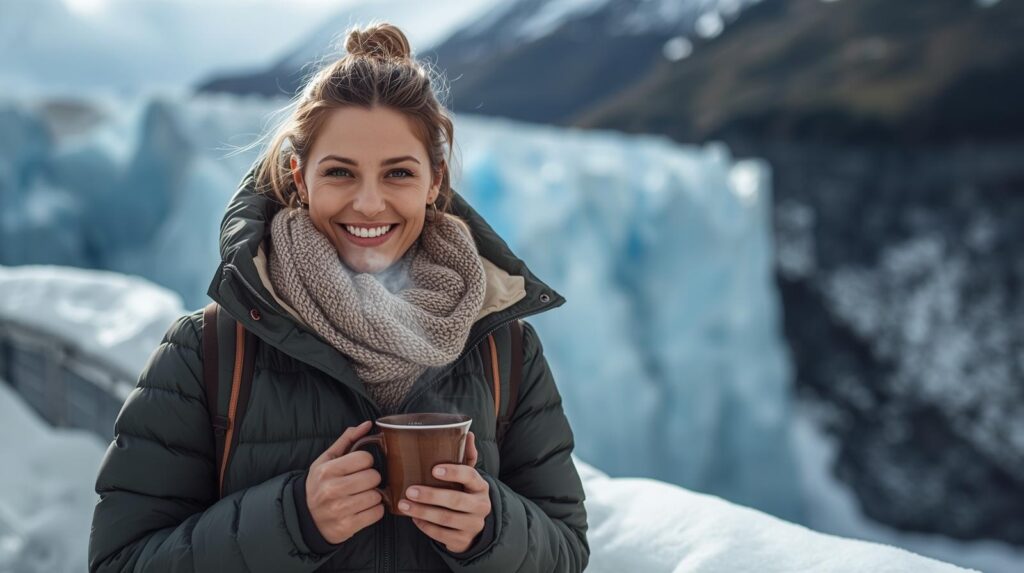
Here is the catch: A “Coolcation” requires more strategic packing than a beach trip. You can’t just throw a bikini and a sarong in a tote bag. You are facing wind, rain, and temperatures that can swing 20 degrees in a single day.
To get it right, we need to borrow from the experts: the hikers, the anglers, and the campers. We’ve broken this down into The Layers (Decathlon) and The Hardware.
1. The Layers: Affordable Technicality
You don’t need to spend a fortune to stay warm, but you do need the right fabrics. Decathlon is the MVP here. Their gear is tested in the French Alps, making it over-qualified for a breezy afternoon in Edinburgh.
- The Merino Base: Cotton kills in the cold (it holds moisture). You want Decathlon’s Forclaz Merino Wool tops. They regulate temperature naturally, keeping you warm when you stop moving and cool when you’re hiking, and they don’t retain odors, meaning you can pack fewer shirts.
- The Packable Shell: The weather in the fjords changes in minutes. The Quechua MH500 waterproof jacket is breathable, lightweight, and packs down into a tiny pouch. It is the single most important item in your “Coolcation” suitcase.
- The Trekking Pant: Jeans are a nightmare in the damp. Decathlon’s trekking trousers are water-repellent and stretch with you. They look good enough for a pub lunch in Glasgow but perform on the trail.
2. The Hardware: Rugged Reliability
If your “Coolcation” involves a road trip, camping, or a cabin stay, you need gear that can take a beating. This is where Decathlon Canada shines. Their inventory is engineered for the rugged Canadian climate, meaning it is technically advanced, lightweight, and built to withstand the elements from the Rockies to the Maritimes.
The Cold Storage: If you are road-tripping through the backcountry, you need a cooler that balances performance with portability. The Quechua Compact Fresh Rigid Cooler (available in 25L and 35L) is a game-changer. Unlike bulky traditional coolers, it uses an innovative self-inflating design to provide high-performance insulation that keeps your food fresh for up to 17 hours without ice packs, then folds down flat when the trip is over.
Sleep Systems: Even in July, nights in Banff or the Gaspé Peninsula get cold. A thin yoga mat won’t cut it. Look for the Forclaz MT900 Air Insulating Mattress. It offers a high R-value (5.4) that protects you from the heat-sapping ground, turning a shivering night into a restful one. Pair it with a Quechua Arpenaz 0°C sleeping bag to ensure the high-altitude chill stays outside where it belongs.
The “Just in Case” Fleece: Decathlon carries heavy-duty sherpa and technical fleece options that are perfect for sitting around a fire. While their Forclaz line is for moving, their Quechua SH900 Sherpa Fleece is for living. It’s thick, incredibly soft, and designed to trap maximum heat during those chilly mornings drinking coffee on the deck of your cabin.
The Verdict
2026 is the year we stop fighting the weather and start embracing it. The “Coolcation” isn’t just a reaction to heat; it’s a proactive choice for better travel. It’s about trading sunburns for windburns, crowded sands for empty trails, and lukewarm cocktails for hot coffee with a view.
The mountains are calling. And thanks to the heat, we are finally ready to listen.