This article contains affiliate links. If you purchase or book through these links, we may earn a commission at no additional cost to you.
Introduction: The thrill and challenge of a marathon
Running a marathon is no small feat. It’s a thrilling blend of excitement and challenge that draws thousands to the starting line each year. The journey from novice to marathoner is filled with highs, lows, and an incredible sense of accomplishment as you cross that finish line. Whether you’re chasing personal bests or simply hoping to complete your first 26.2 miles, preparation is key.
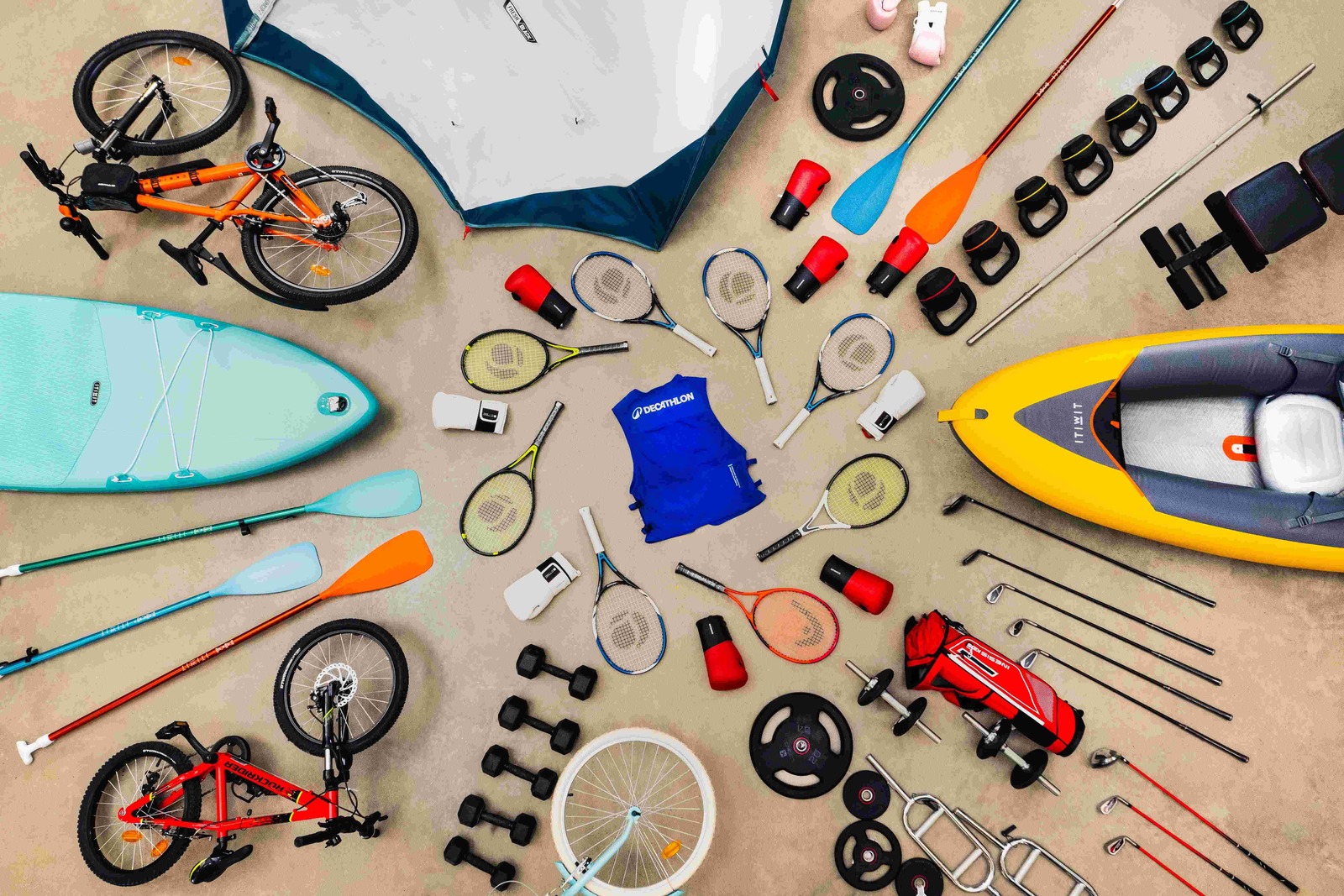
For first-time marathoners in Canada, getting ready isn’t just about logging miles; it’s also about gearing up properly. Having the right tools can make all the difference in your training experience and race day performance. With numerous options available at Decathlon Canada, known for their quality gear at accessible prices, you’ll want to ensure you’re well-equipped before embarking on this exciting journey.
Are you curious about what essentials will set you up for success? Or perhaps you’re looking for ways to maximize your training without breaking the bank? Either way, let’s dive into everything you’ll need, from essential gear to nutrition tips, to help turn your marathon ambitions into reality!
Before you start training: What to consider
Before diving into marathon training, take a moment to assess your current fitness level. Understanding where you stand helps tailor your plan and set realistic goals. In Canada, approximately 15% to 20% of adults meet the recommended physical activity guidelines, but transitioning to a marathon requires a specific baseline.
Consider any past injuries or health issues. Acknowledging these factors will allow you to train safely and avoid setbacks down the line. Next, think about time commitment. Marathon training demands dedication, often requiring 6 to 10 hours each week for runs and recovery activities. Ensure that this fits comfortably within your lifestyle.
Also, identify your motivation for running a marathon. Is it personal achievement, charity involvement, or simply pushing boundaries? Your “why” can keep you focused during challenging times. Seek out resources that can support you, local running groups in cities like Toronto, Vancouver, or Montreal can provide camaraderie and guidance while platforms like Decathlon’s community events offer support tailored just for beginners.
Essential Gear for Marathon Training:
When gearing up for marathon training, the right equipment is crucial. Proper running shoes can make all the difference. Look for a pair that offers support and cushioning tailored to your foot type. A visit to a Decathlon store can help you find your perfect match through their specialized gait analysis.
Comfortable clothing is another essential. Invest in moisture-wicking fabrics that keep you dry during long runs. Avoid cotton; it traps sweat and leads to chafing. Hydration tools are vital as well. A good water bottle or hydration pack will ensure you stay hydrated on those lengthy runs. Remember, dehydration can hinder performance significantly.
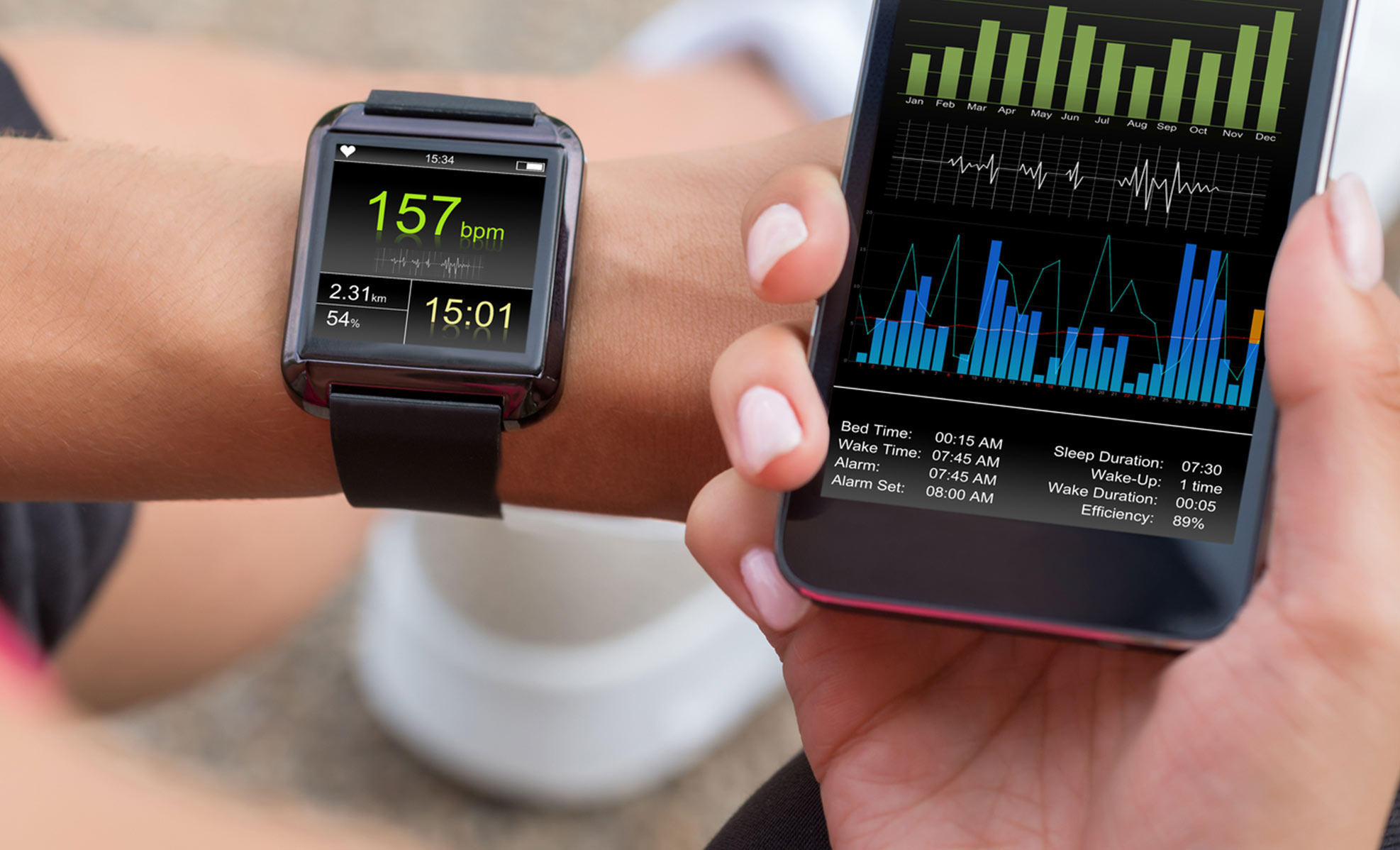
A GPS watch isn’t just a luxury, it’s an important training tool too! It helps track distance, pace, and time while keeping you motivated throughout your journey towards race day.
– Proper Running Shoes
Choosing the right running shoes is crucial for any marathoner, especially beginners. Your feet deserve the best support possible. Decathlon’s Kiprun line, for example, is designed specifically for long-distance durability. Look for shoes that cater to your foot type and gait. Whether you’re flat-footed (overpronation) or have high arches (supination), there’s a perfect pair waiting for you.
Consider cushioning as another key factor. A good amount of shock absorption helps reduce fatigue during those long runs. Lightweight models might seem appealing, but ensure they provide enough durability and comfort over the 400 to 800 kilometers a typical pair lasts. Remember to break in new shoes gradually before race day to avoid blisters!
– Comfortable Clothing
Choosing the right clothing for marathon training can make all the difference. Comfort is key when you’re logging those miles. Look for moisture-wicking synthetic fabrics or merino wool that keep sweat away from your skin. Decathlon’s Evadict or Kalenji ranges offer seamless technology to prevent chafing.
Opt for clothes with a good fit, not too tight, but just snug enough to avoid distractions. Layering is necessary for the Canadian climate. In temperatures between 5°C and 15°C, a lightweight base layer is usually sufficient, but colder runs require thermal vests. Don’t forget accessories like UV-protection hats and anti-blister socks to enhance comfort significantly.
– Hydration Tools
Staying hydrated during marathon training is crucial. One of the best investments you can make is in quality hydration tools. Consider a handheld water bottle for easy access on shorter runs. These are lightweight and ergonomic.
For longer distances (over 90 minutes), a hydration pack or vest is more suitable. These allow you to carry 1.5 to 2 liters of water without the bulkiness of traditional bottles. If you prefer weight on your hips, hydration belts offer multiple pockets for essentials. Experiment during your training to discover the setup that keeps you refreshed without bouncing.
– GPS Watch
A GPS watch is a game-changer for marathon training. It provides real-time data on your pace, distance, and heart rate. This information helps you stay within your “aerobic zone” during long runs.
When choosing a watch, battery life matters, ensure it can last at least 5 to 8 hours in full GPS mode. Many watches now sync with the Decathlon Coach app to analyze performance. This feedback allows you to adjust your training plan based on actual data rather than guesswork, ensuring you don’t overtrain.
Nutrition Tips for Training:
Nutrition plays a vital role in your success. Carbohydrates are your primary fuel. During a marathon, your body utilizes glycogen stored in the muscles; however, these stores only last about 90 to 120 minutes of running.
Protein is equally important for recovery. Incorporate lean sources to repair micro-tears in muscle fibers. Hydration cannot be overlooked; aim to replace 100% of fluids lost through sweat. Snacking smartly, using easy-to-digest options like bananas or energy gels, can give you that extra boost when it’s most needed!
– Carbohydrates and Timing
Carbohydrates provide the energy that powers your runs. Prior to a run, focus on complex carbohydrates like oatmeal or brown rice to maximize glycogen stores. During runs lasting more than 60 minutes, aim for 30 to 60 grams of carbs per hour via gels or chews. Post-run, consume carbs within 30 minutes to replenish lost levels and aid recovery.
– Protein Intake
As you ramp up your mileage, your body needs approximately 1.2 to 1.7 grams of protein per kilogram of body weight. Aim for lean sources like chicken, beans, or tofu. Incorporating protein into every meal—and especially after a hard effort—will help your body recover faster for the next challenge.
– Hydration During Long Runs
Aim to start your run well-hydrated by drinking 500ml of fluids two hours before heading out. During the run, a general guideline is to sip 150-250ml every 20 minutes. Electrolyte drinks are essential for replacing sodium and potassium; losing just 2% of your body weight in water can significantly decrease athletic performance.
Training Schedule for New Runners:
Creating a schedule is crucial. Start by building your mileage gradually. Aim for 3 to 4 runs each week, mixing in short distances with one “Long Slow Distance” (LSD) run. Incorporate rest days to allow your body to adapt. Cross-training activities like cycling or swimming can enhance cardiovascular fitness without the impact of running.
– Building Mileage Gradually
Follow the “10% Rule”: never increase your total weekly mileage by more than 10% compared to the previous week. This prevents common injuries like shin splints or stress fractures. Mix in shorter runs during the week and use the weekend for your longest effort, progressively reaching 30 to 32 kilometers before tapering for the race.
– Cross-training Activities
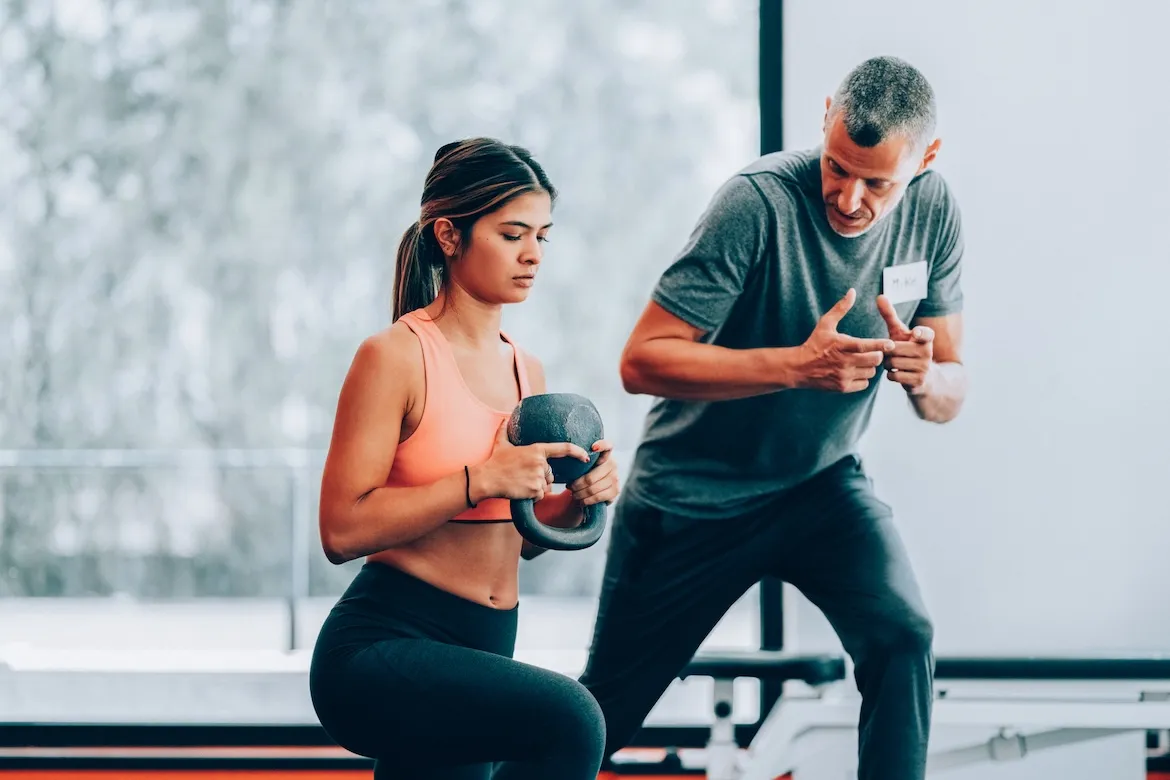
Include cross-training 1 to 2 times a week. Swimming is low-impact and excellent for lung capacity, while strength training, specifically focusing on the core and glutes, supports better running posture. Decathlon offers various home fitness equipment, from resistance bands to kettlebells, to help you stay strong off the road.
Mental Preparation
Running 42.2 kilometers is a significant mental challenge. Visualization techniques are effective; picture yourself crossing the finish line at the Ottawa, Toronto, or Vancouver Marathon. Setting realistic goals, like a “finish only” goal for your first time, keeps the pressure manageable.
Practice mindfulness to manage the “wall” that often hits around the 32km mark. Surround yourself with a supportive community. With these strategies and the right gear from Decathlon Canada, you’ll be well-equipped for both the physical and psychological journey of marathon training.