This article contains affiliate links. If you purchase or book through these links, we may earn a commission at no additional cost to you.
Introduction to Coursera and its mission
Imagine having the opportunity to learn from some of the most prestigious institutions in the world, all from the comfort of your own home. Coursera has transformed this dream into a reality. With its mission to democratize education, Coursera is breaking down barriers and making Ivy League courses accessible to anyone with an internet connection.
Gone are the days when only a select few could benefit from elite educational resources. Today, learners everywhere can explore high-quality content curated by top universities without stepping foot on campus. The rise of online learning platforms like Coursera is reshaping how we think about education and who gets access to it.
Let’s dive deeper into how Coursera is changing the landscape for aspiring students around the globe through free online courses and affordable options tailored for every budget.
The traditional barriers to Ivy League education
Ivy League schools have long been synonymous with prestige and excellence. However, gaining entry is often a formidable challenge.
High tuition fees loom large as a significant barrier. Many aspiring students face financial hurdles that can seem insurmountable. For some, the dream of an Ivy League education slips away due to cost alone.
Admission requirements add another layer of complexity. Rigorous academic standards and competitive applications create an environment where only a select few succeed.
Geographical limitations also play a role. Not everyone has the luxury to relocate or commute to these esteemed institutions.
Additionally, systemic inequalities further complicate access for marginalized groups. Factors such as race, socioeconomic status, and educational background contribute to disparities in opportunities available.
These barriers contribute to an education landscape that feels exclusive rather than inclusive, leaving many feeling disenfranchised from pursuing their dreams at elite universities.
How Coursera breaks down those barriers
Coursera is revolutionizing access to education by dismantling traditional barriers that have long kept Ivy League institutions out of reach for many.
With online platforms, learners can now explore courses from prestigious universities without the need for physical relocation or exorbitant tuition fees. This shift eliminates geographic and financial constraints, making high-quality education available worldwide.
Users can choose from a variety of subjects and skill levels, empowering them to tailor their learning experience according to personal interests and career goals.
The platform encourages collaboration through forums where students interact with peers globally. This fosters a sense of community often missing in conventional classrooms.
Moreover, Coursera’s partnerships with elite schools mean that even those who cannot afford an Ivy League degree can still learn from renowned professors. By breaking these barriers down, Coursera paves the way for a more equitable educational landscape.
High-quality courses from top universities
Coursera partners with prestigious Ivy League institutions to deliver high-quality courses that rival traditional classroom experiences. Learners can immerse themselves in subjects taught by renowned professors from Harvard, Yale, and Princeton.
These courses cover a vast range of disciplines—from computer science and business to humanities and data science. Each program is meticulously designed to ensure that learners gain practical knowledge applicable in real-world scenarios.
The interactive content includes video lectures, quizzes, and peer-reviewed assignments. This structure not only enhances understanding but also fosters engagement among students worldwide.
With Coursera’s platform, the wisdom of elite universities is no longer confined within ivy-covered walls. It’s transformed into an online experience accessible at any time—empowering individuals to pursue their educational aspirations without limitations.
Flexibility and convenience for learners
Flexibility is one of Coursera’s standout features. Learners can access courses anytime and anywhere, making education fit around busy schedules.
Students juggling work, family, or other commitments find this especially appealing. With on-demand learning, you control the pace. Want to dive deep into a subject? Take your time. Need to speed through basics? Go for it.
The platform also offers various formats. Whether you prefer video lectures, quizzes, or peer forums, there’s something for everyone. This variety keeps engagement high and suits different learning styles.
Moreover, learners have the option to revisit materials as often as needed. Missed something important during a lecture? No problem—just replay it until it’s clear.
This level of convenience significantly enhances the educational experience while removing traditional constraints associated with classroom settings.
Affordable options for all budgets
Coursera offers a variety of pricing models that cater to different financial situations. Many courses are available for free, giving learners the chance to explore topics without any upfront cost. This opens doors for everyone, regardless of their income level.
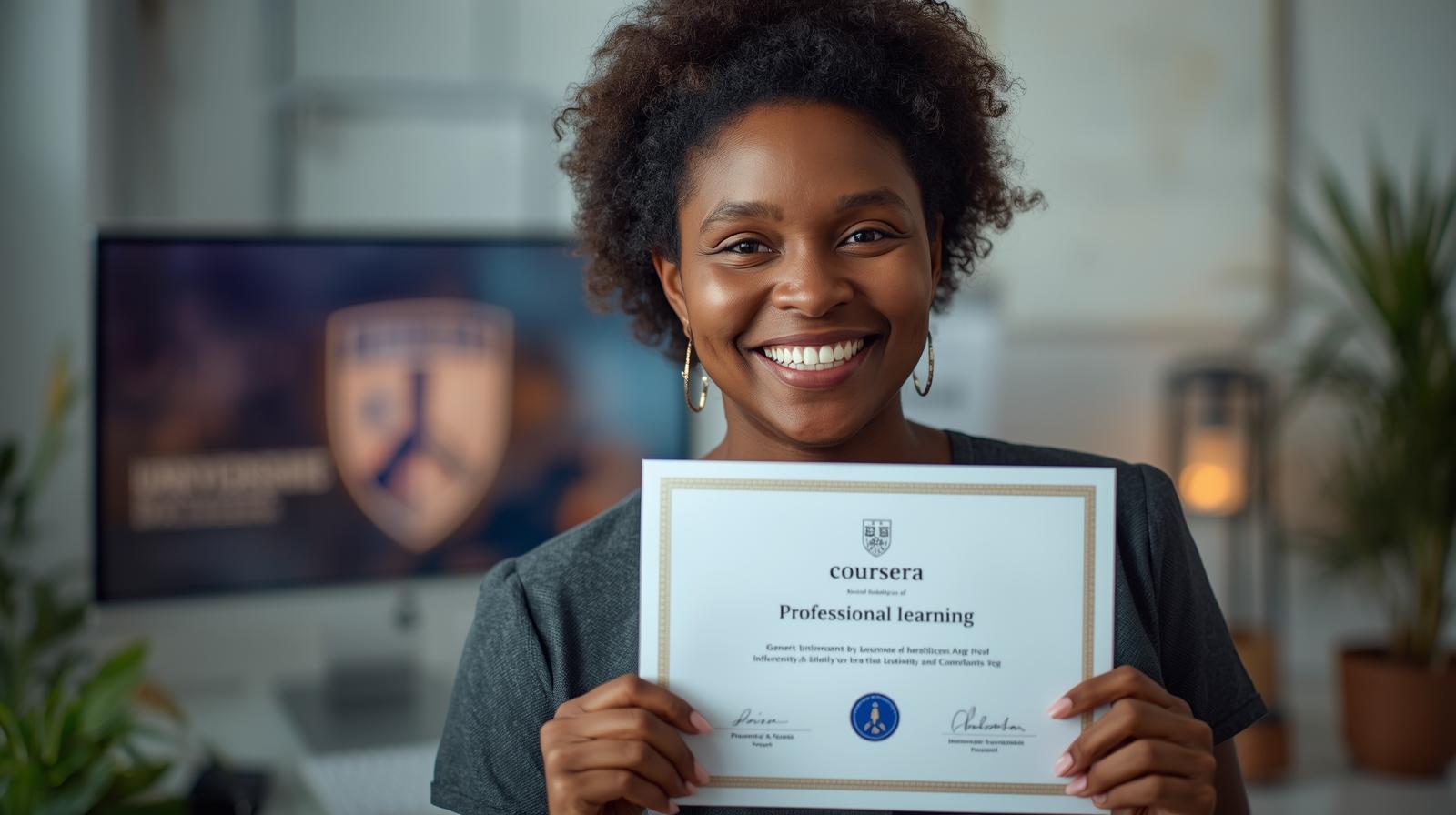
For those seeking a more structured learning experience, Coursera also provides paid options that often include certificates upon completion. These can be valuable additions to resumes or LinkedIn profiles.
Subscription plans allow access to multiple courses at once, making it easier for budget-conscious learners to maximize their investment in education. With flexible payment options and financial aid available, even high-quality Ivy League content is within reach for many individuals.
This approach democratizes education by ensuring that quality learning resources are not solely reserved for those who can afford expensive tuition fees.
Success stories of individuals who have used Coursera for their education
Many individuals have transformed their lives through Coursera’s offerings. Take Sarah, for example. She was a waitress with dreams of becoming a data analyst. After enrolling in courses from Ivy League schools on Coursera, she gained the skills necessary to land her first job in tech.
Then there’s James, who had always aspired to study computer science but couldn’t afford traditional education. He took free online courses that allowed him to develop his programming skills while juggling a full-time job. Today, he works as a software engineer at a prominent company.
These stories highlight the platform’s role in making education accessible and impactful. Learners can connect with peers worldwide, share insights, and even collaborate on projects, all from the comfort of their homes. Each success story showcases not just personal growth, but also how Coursera is reshaping career paths across various industries.
Impact on the future of higher education
Coursera is reshaping the landscape of higher education. By offering courses from prestigious Ivy League institutions, it democratizes access to quality learning.
This shift encourages universities to rethink their traditional models. With online platforms gaining traction, brick-and-mortar schools are prompted to innovate and adapt.
Students now have a wider range of options for acquiring knowledge. They can choose what fits their needs without geographical limitations.
Moreover, this trend promotes lifelong learning. Professionals seeking new skills or career shifts find valuable resources right at their fingertips.
The accessibility of these courses fosters a more informed society. As more people gain knowledge from world-class educators, we may witness a noticeable impact on innovation and economic growth in various sectors.
Educational equity becomes increasingly attainable as Coursera continues its mission to bridge gaps in learning opportunities across demographics and locations.
Potential drawbacks and criticisms of Coursera
While Coursera has democratized access to education, it is not without its drawbacks. One significant concern is the lack of personalized interaction. Many learners miss the face-to-face engagement that traditional classrooms offer.
Another issue arises with course completion rates. Studies show that a large percentage of students enroll but don’t finish their courses. This can be attributed to various factors, including motivation and time management challenges.
Some critics also argue that earning certificates from online platforms lacks the same weight as degrees from Ivy League institutions. Employers may still favor traditional qualifications over digital badges in certain industries.
Moreover, while many courses are free, accessing premium content or obtaining verified certificates often comes at a cost. This could limit opportunities for those truly seeking an affordable education option.
Why Coursera has become go-to option?
Coursera has emerged as a leading platform for those seeking quality education. Its focus on accessibility is unmatched, allowing anyone with an internet connection to tap into courses from prestigious Ivy League institutions. The combination of high-quality content and affordability sets it apart in the crowded online learning landscape.
Many learners appreciate the flexibility Coursera offers. Whether you have a busy full-time job or family commitments, you can learn at your own pace. This convenience attracts diverse audiences—from professionals looking to upskill to students exploring new subjects.
The success stories are plentiful and inspiring. Individuals who once thought that an Ivy League education was out of reach now proudly share their accomplishments after completing Coursera courses. They have gained knowledge, confidence, and even new career opportunities—all thanks to this innovative platform.
While some may raise concerns about the limitations of online education compared to traditional methods, many recognize that Coursera represents a shift toward inclusivity in higher education. It encourages lifelong learning by breaking down economic barriers while maintaining educational standards.
As more people seek accessible education options, platforms like Coursera will likely play a crucial role in shaping the future of learning globally. The democratization of knowledge means everyone can strive for personal growth without being hindered by previous obstacles such as geographic location or financial constraints.
With its robust course offerings and commitment to making quality education available for all budgets, it’s no wonder why so many turn to Coursera when seeking an enriching educational experience rooted in excellence.