Introduction to Coursera’s Global University Partnerships
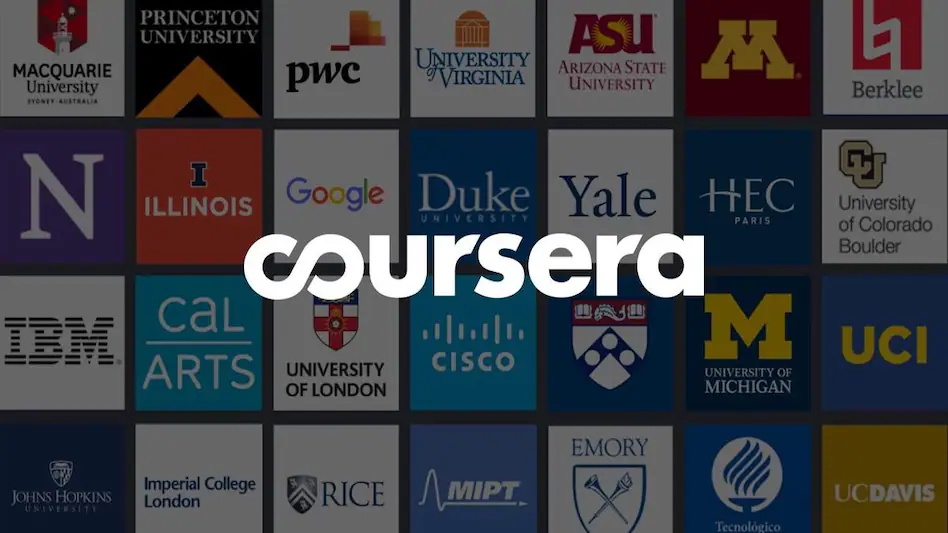
The landscape of higher education is undergoing a remarkable transformation, and at the forefront of this change is Coursera’s innovative approach to global university partnerships. With an impressive lineup of prestigious institutions collaborating with the platform, learners from all walks of life now have unprecedented access to quality education. Gone are the days when geographical boundaries limited one’s ability to pursue a degree or acquire new skills. Today, students can engage with world-class educators from anywhere in the world.
As we delve into how these partnerships are reshaping traditional notions of learning, you’ll see just how powerful online degrees can be in bridging gaps and expanding horizons. Join us as we explore the myriad benefits that arise from Coursera’s commitment to global education and understand why it matters now more than ever.
The Benefits of Online Education
Online education transforms learning into a flexible and accessible experience. Students can learn at their own pace, fitting studies around work or family commitments. This adaptability is especially beneficial for busy professionals seeking to upskill.
Additionally, online programs often offer diverse course options that traditional institutions may not provide. Learners can explore various subjects from anywhere in the world, breaking geographical barriers.
Cost efficiency is another significant advantage. Online degrees typically require lower tuition fees and eliminate commuting costs. Plus, many platforms offer free resources, making quality education more affordable.
Interactivity plays a key role too; students engage with peers and instructors through forums and video discussions. This fosters a sense of community despite physical distances.
The tech-driven nature of online learning cultivates essential digital skills highly valued in today’s job market, preparing graduates for future career success.
Expanding Access to Higher Education
Online education is breaking down barriers that once limited access to higher learning. With Coursera’s global university partners, students can now study from anywhere in the world. This flexibility transforms lives.
Individuals who may have faced geographic or financial hurdles are now able to pursue degrees and certifications online. They can choose courses aligned with their interests and career goals without relocating.
Moreover, technology plays a pivotal role in making quality education accessible. High-speed internet and mobile devices allow learners to engage with top-tier content at their convenience.
Programs offered through Coursera span various fields, catering to diverse needs. From business analytics to computer science, opportunities abound for those eager to learn.
This shift fosters inclusivity by reaching underserved populations and promoting lifelong learning pathways that were previously unattainable for many aspiring students around the globe.
Examples of Successful Partnerships with Top Universities
Coursera has forged remarkable partnerships with prestigious universities worldwide. Stanford University, a pioneer in online education, offers courses that attract thousands of learners globally. Their innovative approach blends academic rigor with practical skills.
Another standout is the University of Pennsylvania. Through Coursera, they provide specialized programs in business and data science. These offerings have transformed how students acquire knowledge.
The partnership with Yale stands out as well. Yale’s popular course on “The Science of Well-Being” gained immense traction, reaching millions eager to enhance their mental health and productivity.
Moreover, the collaboration with Imperial College London highlights advancements in technology and healthcare education. Their cutting-edge courses prepare professionals for evolving challenges in these vital fields.
These successful partnerships illustrate how coursera university partners are redefining learning experiences while maintaining high standards of excellence across various disciplines.
Impact on Traditional Higher Education Institutions
The rise of Coursera’s university partners is reshaping the landscape for traditional institutions. With online degrees becoming more mainstream, universities are reevaluating their roles in education.
Many established colleges find themselves competing with accessible online platforms. This competition drives innovation and encourages them to enhance their offerings. The challenge lies in adapting curricula to meet changing student needs.
Some institutions have begun collaborating with platforms like Coursera instead of resisting change. By joining forces, they can reach a wider audience while maintaining academic standards.
As learners prioritize flexibility and affordability, traditional schools may need to rethink tuition models. Embracing technology isn’t just an option; it’s essential for survival in this evolving ecosystem.
The impact radiates beyond economics; it influences teaching methods and student engagement strategies as well. As these shifts occur, higher education must prepare for a future defined by collaboration rather than isolation.
Challenges and Solutions for Implementing Online Learning
Implementing online learning presents unique challenges that institutions must navigate. One major issue is the digital divide, where students in underserved areas may lack reliable internet access or technology. This gap can hinder participation and engagement in courses offered by coursera university partners.
Additionally, many educators face difficulties adapting traditional teaching methods to an online format. The lack of face-to-face interaction can impact student motivation and accountability. Professional development for instructors becomes essential to bridge this gap effectively.
To tackle these issues, universities are exploring hybrid models that combine in-person sessions with online components. Partnerships with tech companies also provide resources and infrastructure support tailored for remote learners.
Moreover, fostering a strong sense of community among students through virtual study groups and discussion forums enhances engagement. By addressing these challenges proactively, higher education institutions can create a more inclusive and effective online learning environment.
The Future of Higher Education is Online
The landscape of higher education is rapidly evolving, and Coursera’s global university partnerships are at the forefront of this transformation. As more learners seek flexible options that fit their busy lives, online degrees offered through these collaborations provide an accessible pathway to knowledge and skills.
The integration of technology in education enables institutions to offer courses that not only meet current demands but also anticipate future workforce needs. This shift towards digital learning opens doors for individuals worldwide, regardless of geographical or economic barriers.
As traditional universities adapt to incorporate online formats and methodologies, they will likely find innovative ways to enhance student engagement. The focus on blended learning models could lead to a richer educational experience for many students.
With ongoing improvements in technology and pedagogy, the future looks promising for online education. Whether it’s through micro-credentials or full degree programs from esteemed colleges, learners are empowered like never before.
Embracing this change means embracing a world where education knows no boundaries—a truly global approach that benefits everyone involved. The journey ahead is filled with potential as institutions collaborate across borders to shape the next generation of leaders equipped with relevant skills for tomorrow’s challenges.