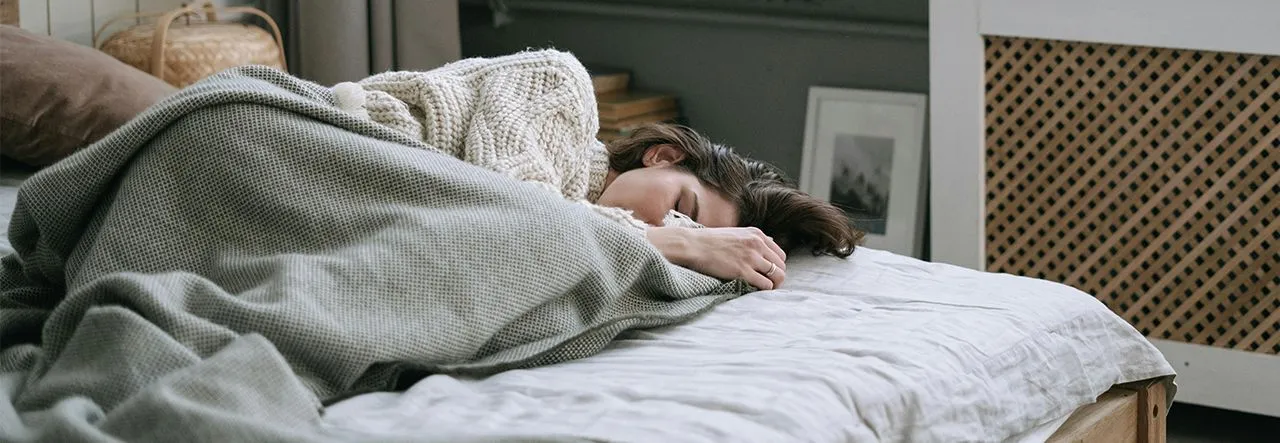
It usually happens around 2:00 AM. You drift off in a perfectly comfortable state, only to wake up hours later feeling as though someone has secretly transported your bed to the center of the Sahara Desert. You kick off the heavy duvet, desperately stick one foot out to find a cool pocket of air, and flip the pillow in search of the elusive “cool side.” But the heat isn’t just in the room, it feels like it is radiating from your very core.
For women crossing the threshold of 35 and beyond, this scenario is far more than a minor annoyance. It is a physiological reality tied to the complex, often unpredictable world of hormonal shifts. Whether driven by perimenopause, menopause, postpartum changes, or simply the natural fluctuations of the monthly cycle, hormonal temperature changes at night can transform a peaceful bedroom into a battleground.
In the wellness world, we talk endlessly about hydration, macro-nutrients, meditation, and zone 2 cardio. Yet, the absolute foundation of our physical and mental health, deep, restorative sleep, is often the first casualty of hormonal changes. The good news? You do not have to just “deal with it.”
Welcome to the Rest Upgrade. By understanding the science of thermoregulation and investing in the right sleep environment, specifically focusing on moisture-wicking and cool-to-the-touch fabrics, you can reclaim your nights. Better sleep is not a luxury; it is a critical component of your long-term health. Let’s dive into how you can beat the night sweats once and for all.
The Hypothalamus Hijack: Understanding the Science of Night Sweats
To fix the problem, we first have to understand what is actually happening inside your body when a night sweat occurs.
Under normal circumstances, human sleep is tightly linked to our circadian rhythm and body temperature. To fall asleep and stay in the deepest, most restorative stages of sleep (like REM and deep slow-wave sleep), our core body temperature needs to drop by about one to two degrees. Our bodies naturally shed heat in the evening, signaling to the brain that it is time to rest.
However, hormones, specifically estrogen and progesterone, play a massive role in regulating your body’s internal thermostat, which is controlled by a tiny region of the brain called the hypothalamus.
As women age and enter their late thirties, forties, and beyond, estrogen levels begin to fluctuate unpredictably. When estrogen levels suddenly drop, the hypothalamus gets confused. It misreads the body’s normal temperature as being dangerously hot. In a panic, the brain triggers a massive cooling response to save you from this perceived overheating.
Your blood vessels dilate to release heat (the flush), and your sweat glands kick into overdrive to cool the skin through evaporation (the sweat). It is a perfectly executed biological response to a completely false alarm. You wake up drenched, shivering as the sweat cools, and completely pulled out of your sleep cycle.
The Fabric Fallacy: Why Your Traditional Bedding is Failing You
When the hypothalamus triggers a night sweat, the environment around your body dictates what happens next. This is where most women realize that their current bedding setup is actively working against them.
For decades, we have been sold the myth of the “high thread count.” We are told that 1000-thread-count heavy Egyptian cotton or smooth, synthetic microfibers are the pinnacle of luxury. But when you introduce hormonal temperature spikes to these materials, luxury quickly turns into a liability.
The Heat Trap of Traditional Cottons
While cotton is natural, a very high thread count means the fibers are woven incredibly tightly together. This dense weave severely limits airflow. When your body releases heat during a hormonal flush, that heat has nowhere to go. It bounces off the dense cotton and reflects right back onto your skin, creating a localized sauna effect under the covers.
The Polyester Problem
Microfiber and other polyester-based sheets might feel soft, but they are essentially woven plastics. They are entirely hydrophobic, meaning they do not absorb water, but they also do not breathe. When you sweat in synthetic sheets, the moisture is trapped against your skin, turning your bed into a swampy, uncomfortable mess that disrupts your sleep and can even irritate your skin.
The Rest Upgrade: The Science of Cooling Fabrics
To counter the sudden heat and moisture generated by hormonal shifts, you need an environment that actively manages both. This is where modern textile science steps in, offering a two-pronged approach to temperature regulation: moisture-wicking and cool-to-the-touch technology.
The Mechanics of Moisture-Wicking
You have likely seen the term “moisture-wicking” on your favorite athletic wear, but it is just as vital in your bed. When you experience a night sweat, the goal is to get the moisture off your skin as quickly as possible.
Moisture-wicking fabrics use a process called capillary action. The fibers are engineered to pull sweat away from the surface of your skin and draw it through the fabric to the outer layer of the material. Once the moisture reaches the surface of the fabric, it spreads out over a wider area, allowing it to evaporate rapidly into the air.
Instead of waking up in a damp puddle of standard cotton, moisture-wicking sleepwear and sheets ensure you stay dry. By keeping your skin dry, these fabrics prevent the sudden, freezing chill that usually follows a hot flash, allowing you to seamlessly transition back into deep sleep.
The Magic of Cool-to-the-Touch Technology
While wicking manages the sweat, cool-to-the-touch fabrics manage the heat. These materials are not just highly breathable; they are engineered with high thermal conductivity.
Thermal conductivity refers to a material’s ability to transfer heat. Think about touching a piece of metal versus a piece of wood in a room; the metal feels colder because it rapidly pulls heat away from your hand. Cool-to-the-touch bedding utilizes specialized yarns and weaves that act in a similar, albeit softer, way.
When your body temperature spikes during a hormonal flush, these fabrics immediately absorb the excess body heat and dissipate it out into the surrounding environment. The moment you shift your legs or roll over, the fabric feels refreshingly cool against your skin, short-circuiting the overheating process before it fully wakes you up.
Building Your Cool Sleep Sanctuary
Upgrading your bedding with Rest requires a holistic look at your sleep environment. A single cooling pillowcase will not save you if you are wrapped in a heavy polyester comforter. You need to build a breathable system from the mattress up.
1. The Foundation: The Mattress
Many people suffer from night sweats simply because their mattress is working against them. Traditional, dense memory foam is notorious for contouring to the body and trapping heat. If you are a hot sleeper, consider Rest mattresses that feature Evercool cooling mattress for airflow, infused cooling gels, or naturally breathable latex. Your mattress should act as an open channel for heat to escape, rather than a sponge that absorbs and holds it.
2. The Core: The Sheets
This is where the Rest Upgrade truly begins. Swapping out your heavy, dense sheets for scientifically engineered cooling sheets is the most impactful change you can make. Look for sheet sets that specifically advertise thermal conductivity and moisture management. The goal is to create a microclimate under the covers that remains consistently temperate, adjusting to your body’s fluctuations throughout the night.
3. The Personal Layer: Sleepwear
Even with the best sheets in the world, what you wear to bed matters immensely. If you are wearing thick cotton or synthetic fleece pajamas, you are trapping the heat before it can even reach your cooling sheets. Rest Cooling pajamas act as the first line of defense. They catch the sweat immediately, wick it away, and allow your body to breathe. They are the essential link between your skin and your bedding.
The Wellness Investment: Prioritizing Your Sleep Health
In the wellness space, we easily justify spending money on organic groceries, premium gym memberships, and high-end skincare serums. Yet, we often hesitate to invest in the very place where our bodies do all their healing, cellular repair, and hormone balancing: our beds.
Chronic sleep disruption from night sweats can lead to elevated cortisol (the stress hormone), brain fog, mood instability, and a weakened immune system. Investing in high-quality, scientifically backed cooling bedding is not a luxury purchase; it is a direct investment in your daily vitality and long-term health.
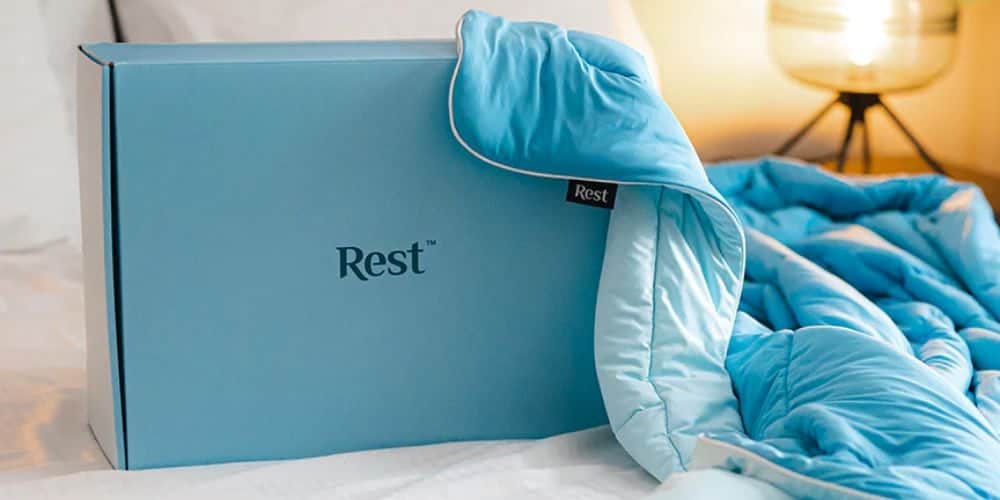
And right now, prioritizing your sleep health is more accessible than ever. During their highly anticipated Sleep Week Sale, you can get up to 30% off Rest’s premium cooling pajamas and sheets. Rest has engineered their products specifically with hot sleepers in mind, combining cutting-edge cool-to-the-touch technology with ultra-soft, moisture-wicking fibers that actually perform when the midnight heat hits.
Even better? Because quality sleep is increasingly recognized as a vital medical necessity, Rest’s products are HSA/FSA eligible. This means you can use your pre-tax health savings dollars to finally build the cool, comfortable sleep sanctuary your body desperately needs. It is one of the smartest wellness investments you can make this year.
Take Back Your Night
You cannot always control the hormonal shifts that happen inside your body, but you absolutely have control over the environment you sleep in. You do not have to accept the 2:00 AM wake-up calls, the damp sheets, and the exhaustion that follows the next day.
By embracing the science of thermoregulation and upgrading your sleep space with intelligent, cooling fabrics, you are giving your body the support it needs to rest deeply and heal fully. Say goodbye to the sauna under your blankets. It is time to experience the profound wellness that comes from a truly cool, uninterrupted night of sleep.