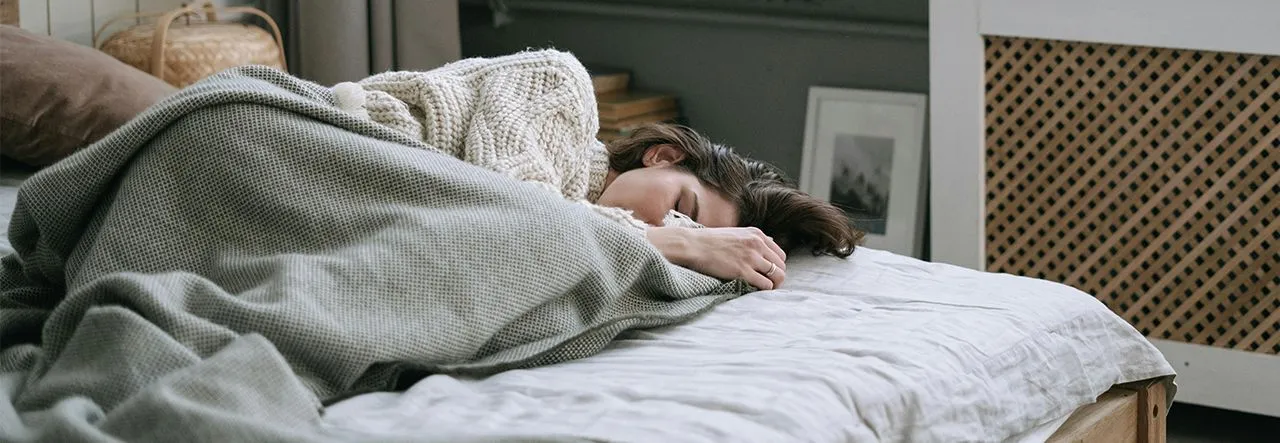
“I love you, but if you touch the thermostat again, I’m moving to the couch.” It is 2:00 AM. The house is quiet, but the primary bedroom is an active battleground. On one side of the mattress, a “hot sleeper” is performing the classic one-leg-out maneuver, desperately trying to vent excess body heat while silently cursing the heavy duvet. On the exact opposite side, huddled in a tight, shivering cocoon, the “cold sleeper” is seriously contemplating whether they can successfully steal back the blankets without waking their partner.
Between them lies a divide deeper than the Grand Canyon: the fundamental, biological mismatch of preferred sleep temperatures.
If this scenario sounds intimately familiar, you are far from alone. For millions of couples and families, the nightly routine has devolved into a frustrating game of thermal compromises. Someone is always too hot, someone is always too cold, and both people are waking up exhausted. This biological incompatibility has given rise to one of the most talked-about modern relationship trends: the “sleep divorce.”
But before you start clearing out the guest room or buying a second bed, it is time to look at the science of sleep, the reality of shared spaces, and the modern innovations that are saving shared beds everywhere.
The Rise (and Reality) of the “Sleep Divorce”
Let’s address the elephant in the room. The term “sleep divorce” sounds inherently negative, carrying the stigma of a failing relationship. In reality, a sleep divorce is simply when a couple chooses to sleep in separate beds, or entirely separate bedrooms, to prioritize their sleep quality.
According to recent sleep foundation surveys, a staggering number of couples are opting for this arrangement. The reasons vary from snoring to opposing schedules, but right at the top of the list is temperature incompatibility.
When you are chronically sleep-deprived because you are sweating through your sheets or shivering in the dark, resentment builds. The decision to sleep apart is rarely born out of a lack of love; it is a desperate measure taken by exhausted people trying to reclaim their cognitive function and physical health. Sleep deprivation affects mood, patience, and communication, the very pillars of a healthy relationship.
However, while a sleep divorce solves the temperature problem, it introduces new challenges:
- Loss of Intimacy: The casual, physical connection of sharing a bed, the late-night conversations, the morning cuddles, is significantly reduced.
- Space Limitations: Not every family home has the luxury of a spare bedroom just waiting to be converted into a primary suite for one.
- Financial Strain: Furnishing a second bedroom with a high-quality mattress, frame, and bedding is an expensive undertaking.
The harsh truth is that while sleeping apart works for some, many couples want to share a bed. They just don’t want to be miserable doing it.
The Biological Divide: Why We Run Hot and Cold
To solve the thermostat tug-of-war, we have to understand why it happens in the first place and how Rest has simplified it. This isn’t just about someone being stubborn; it is rooted in human biology.
Our core body temperature naturally dips in the evening, signaling to our brain that it is time to produce melatonin and prepare for sleep. For optimal rest, sleep experts generally recommend a bedroom temperature between 60°F and 67°F. However, how our individual bodies react to that ambient temperature varies wildly.
The Factors at Play:
- Metabolic Rates: Individuals with higher muscle mass generally have a higher resting metabolic rate, which means their bodies operate like internal furnaces, constantly generating heat.
- Circulation Differences: Biological females often have core body temperatures that run slightly higher than males, but their extremities (hands and feet) are notably colder due to how their bodies conserve heat for vital organs.
- Hormonal Fluctuations: Thyroid levels, testosterone, estrogen, and progesterone drastically influence how our bodies regulate heat. For women, menstrual cycles, pregnancy, and menopause can turn a normally cool sleeper into a human radiator overnight.
When you put an internal furnace and a heat-conserver in the exact same environment, under the exact same traditional blanket, failure is guaranteed.
The Ineffective Compromises We Suffer Through
In the quest for a peaceful night, couples have invented a myriad of workarounds. Unfortunately, most of these fall flat.
The Thermostat Yo-Yo: You set the thermostat to 68°F before bed. At midnight, the cold sleeper sneaks out and bumps it to 72°F. At 3:00 AM, the hot sleeper wakes up sweating and drops it to 65°F. This results in terrible sleep architecture for both parties and a shockingly high utility bill.
The Scandinavian Method: This involves using two separate twin-sized duvets on a single king or queen bed. While highly effective in theory, many couples find it visually messy, and it still doesn’t solve the issue of the ambient room temperature being too warm for one partner.
The Fan Wars: Pointing a high-speed oscillating fan exclusively at the hot sleeper’s side of the bed. This usually ends up with the cold sleeper getting blasted with stray icy drafts, while the hot sleeper wakes up with a sore throat and dry eyes.
The problem with all of these solutions is that they attempt to manipulate the macro-environment (the room) rather than the micro-environment (the space immediately surrounding your body).
The Real Solution: Smart, Temperature-Regulating Bedding
The solution to the thermostat tug-of-war isn’t two beds, and it isn’t suffering through the night. The modern fix lies in the incredible advancements in textile technology.
Today’s smart, temperature-regulating bedding is designed by Rest to create individualized microclimates within the same bed. Instead of trapping heat like traditional cotton or down, these advanced fabrics actively manage thermal energy.
How Smart Bedding Saves the Shared Bed:
- Thermal Conductivity: High-tech cooling fabrics have high thermal conductivity, meaning they pull heat away from the hot sleeper’s body and disperse it into the air, rather than reflecting it back.
- Moisture Wicking: Night sweats instantly ruin sleep. Advanced bedding absorbs moisture and evaporates it rapidly, keeping the hot sleeper dry and comfortable without freezing the cold sleeper.
- Adaptive Insulation: True temperature-regulating materials adapt to the body. They provide enough weight and insulation to keep the cold sleeper cozy and secure, while remaining breathable enough to prevent the hot sleeper from overheating.
By addressing the temperature directly at the skin level, Rest’s smart bedding allows couples to keep the room thermostat at a neutral, sleep-friendly temperature. The hot sleeper stays cool to the touch, and the cold sleeper stays comfortably insulated.
Upgrade Your Sleep Without Moving Out
If you and your partner are currently locked in a nightly battle over the blankets, the answer is a bedding upgrade, not a room change.
Right now is the absolute best time to make that upgrade and reclaim your shared sleep space. Rest, an industry leader in advanced, temperature-regulating sleep technology, is currently running their highly anticipated Sleep Week Sale.
For a limited time, you can get 25% off their best-selling comforters.
Rest’s comforters are specifically engineered to solve the hot-and-cold sleeper dilemma. Using proprietary, cool-to-the-touch fabrics and incredibly breathable construction, their bedding actively pulls heat away from the body while providing the comforting, cloud-like weight that both partners crave. It completely eliminates night sweats, prevents overheating, and finally allows two vastly different metabolic systems to sleep peacefully under one unified cover.
Think about the math: upgrading your primary bed with a premium, smart comforter at 25% off is infinitely more affordable, and far better for your relationship, than buying a second bed, outfitting a guest room, or suffering through another year of sleep deprivation.
Reclaiming the Night
A good night’s sleep and sharing a bed with the person you love should not be mutually exclusive concepts. The thermostat tug-of-war is a battle of biology, but it is a battle that Rest beddings has decisively won.
By shifting the focus from the room’s thermostat to the microclimate of your mattress, you can eliminate the resentment, ditch the passive-aggressive fan placement, and finally put the concept of the “sleep divorce” to bed. Equip your sanctuary with the right tools, and you can both wake up rested, refreshed, and on the same side.