This article contains affiliate links. If you purchase or book through these links, we may earn a commission at no additional cost to you.
In 2026, sustainability is no longer just a buzzword; it’s a status symbol.
The “flex” of the mid-2020s isn’t a brand-new, shrink-wrapped carbon frame bike. It’s a battered, well-loved piece of kit that has a story. With inflation still nipping at our heels and the “Right to Repair” legislation finally showing teeth in provinces like Quebec, the Canadian consumer has shifted. We want value, but we also want to feel good about our gear.
Hearing about Decathlon’s “Second Life” buyback and trade-in initiative blowing up in the UK, Europe, and Asia, we assumed we could walk into our local Canadian store and trade our old gear for instant store credit.
We were wrong. But what we found instead radically changed how we look at our garage clutter.
The Experiment: The “Pile of Shame”
We decided to put Decathlon Canada to the test. We raided the garage for two common items that typically end up in a landfill or sold for pennies at a weekend yard sale.
- Item A: The “Festival Veteran”
- Product: Quechua 2-Seconds Pop-Up Tent (3-Person).
- Condition: Structurally sound, but visually tired. One stubborn muddy footprint near the door and a zipper that felt a little “sticky.”
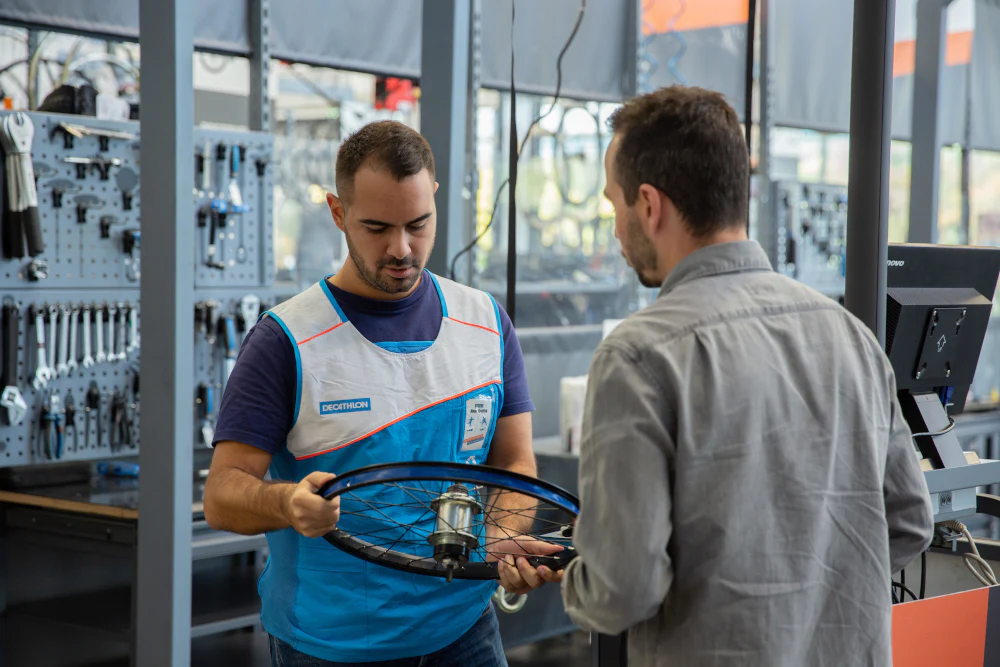
- Item B: The “Covid Commuter”
- Product: Riverside 500 Hybrid Bike.
- Condition: Ridden hard during the 2020 lockdowns, then ignored. Some surface rust on the chain and worn brake pads, but the frame was scratch-free.
Our mission: cash these in for a shiny new upgrade.
The Reality Check: No Buybacks in Canada
Before hauling our dirty gear to the local Decathlon, we hit the website to figure out the digital appraisal process.
Here is the friction point: Decathlon Canada does not currently operate the “Second Life” buyback program. If you are looking to trade in an older Decathlon bicycle or piece of camping gear for gift cards, Canadian locations do not process buyback valuations. To sell our gear, we’d have to rely on third-party resale platforms like Kijiji or Facebook Marketplace, which means dealing with the inevitable lowballers and parking lot meetups.
So, what is Decathlon Canada doing? They have completely shifted their sustainability focus from a trade-in model to a strict “Repair Over Replace” philosophy.
We decided to pivot our experiment: Instead of trading our gear in, we took our “Pile of Shame” to their in-store workshop to see if they could bring it back from the dead.
The In-Store “Interrogation”
Walking into the store, we bypassed the shiny new aisles and headed straight to the Atelier (Workshop).
The Tent Inspection: The technician, Marc, popped the tent open right there on the concrete floor. He wasn’t bothered by the mud stain; he checked the waterproofing tape on the seams and the integrity of the fiberglass poles.
- Verdict: “The fabric has years left, but the zipper slider is damaged. We can replace just the slider instead of the whole track.”
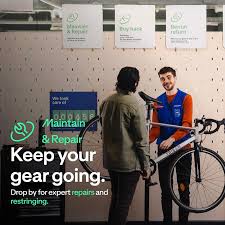
The Bike Inspection: Marc checked the chain wear with a gauge, squeezed the brakes, and trued the wheels.
- Verdict: “Chain needs replacing, cassette is fine. Brake pads are dead. But your frame and derailleur are excellent. A quick tune-up and some new parts, and this will ride like it did in 2020.”
Instead of handing us a gift card to buy more stuff, Decathlon’s workshop serviced our equipment so we could keep using it. The total cost for the bike tune-up, new chain, brake pads, and the tent zipper repair was a fraction of what it would have cost to buy replacements.
The “Tough Love” Approach to Returns
While waiting for our gear, we learned about another wild aspect of Decathlon Canada’s current strategy: The “No Returns Resolution”.
While they still honor a standard 30-day return policy for regular, unused merchandise with tags attached in original packaging, they recently implemented a strict “No Returns” policy on select items, most notably their best-selling running shoes.
Why? To force you to stick to your goals. Instead of letting customers buy running shoes in January, give up on their fitness resolutions by February, and return them, Decathlon effectively acts as a strict personal trainer. If you buy the shoes, you’re committing to the miles. It’s a bold anti-consumerism move that perfectly aligns with keeping gear on the pavement and out of the returns bin.
The Verdict: Is the Canadian Strategy Worth It?
The answer depends entirely on what you want out of a brand in 2026.
The Pros:
- True Sustainability: Repairing a bike chain rather than tossing the whole bike into a “refurbish or recycle” bin is the purest form of the circular economy.
- Cost-Effective: Fixing our current gear was significantly cheaper than buying new items, even with a hypothetical trade-in discount.
- Goal Accountability: The “No Returns” policy on fitness gear is a genuinely refreshing, albeit aggressive, way to push Canadians to actually use the gear they buy.
The Cons:
- The “Marketplace” Hassle: Because there is no Canadian buyback program, you still have to take photos, write descriptions, and meet strangers on Kijiji if you truly want to offload old gear.
- No Instant Upgrades: You miss out on the fun “girl math” of trading in old junk for a brand-new toy on the same day.
Final Score: 7.5/10
If you are a gear junkie constantly looking to upgrade to the newest model, you might be disappointed that Decathlon Canada won’t buy your old kit. But for the everyday outdoor enthusiast? Their Atelier repair workshops are a massive win. Decathlon Canada isn’t giving your gear a “Second Life” with a new owner, they are forcing you to give it a second life yourself. And honestly? That’s exactly what the planet needs.