Choosing a mobile phone plan is not just about finding the lowest monthly price. You also need to consider data allowances, billing flexibility, contract requirements, network coverage, and the extra charges that can make an inexpensive plan surprisingly costly.
Traditional postpaid plans often appeal to people who want bundled services, family discounts, or phone financing. Prepaid alternatives, such as Tello Mobile, offer a different approach: pay for the service you choose without committing to a long-term service contract.
So, is prepaid better than a traditional phone plan? The answer depends on how you use your phone, what you expect from your provider, and how much control you want over your monthly expenses.
What Is the Difference Between Prepaid and Postpaid Phone Plans?
The main difference comes down to when you pay and how your service is structured.
With a prepaid phone plan, you generally pay before the service period begins. You select an allowance, pay the applicable price, and use the included services during that period.
Traditional postpaid plans typically bill you after the billing cycle. They may combine wireless service with device payments, family plans, subscriptions, and additional benefits.
Neither arrangement is automatically better. The right choice depends on your priorities.
1. Flexibility: Which Phone Plan Gives You More Control?
Flexibility is one of the biggest advantages of prepaid mobile service.
Traditional providers may offer several plan tiers, but you might end up paying for a large bundle even when you only need a portion of its benefits. Some plans also involve promotional conditions or device financing that make switching less straightforward.
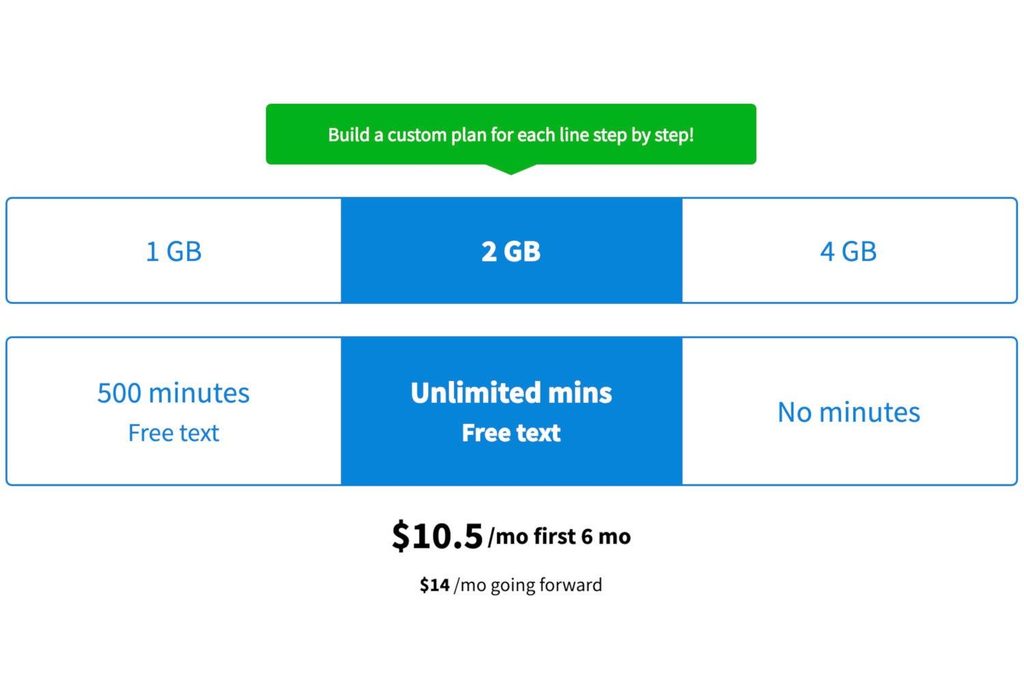
Tello Mobile takes a customizable approach. Customers can choose combinations of data and calling minutes based on their needs, with texting included in its plans. This can be useful if your mobile habits do not fit a standard package.
For example, someone who spends most of the day connected to Wi-Fi may prefer a smaller data allowance. Someone who regularly makes calls but rarely streams videos might prioritise minutes over mobile data.
Tello also allows customers to change their plans, although changes can take effect immediately and may affect unused service. Check the terms before switching.
Best for flexibility: Tello may suit people who want to customise their allowances and adjust their service as their needs change.
2. Billing and Contracts: Predictability Versus Bundled Convenience
If you dislike unexpected bills, prepaid service can make budgeting easier.
You select your plan and pay for the upcoming service period. This structure can help you understand your regular mobile expenses without worrying about a large postpaid bill containing several different charges.
Traditional postpaid plans can still provide predictable costs, especially when you understand the billing terms. However, the total may include device instalments, international usage, additional services, and taxes or fees.
Contract requirements also vary. Many traditional plans are available without annual service contracts, while phone financing may have separate repayment obligations.
Tello advertises its service as contract-free, making it worth considering if you want to avoid a long-term service commitment.
Remember that no-contract service does not mean every associated expense disappears. Device financing, taxes, and other applicable charges should still be considered.
Best for billing simplicity: Prepaid can be attractive if you want a straightforward service expense and fewer billing surprises.
3. Data Allowances: Do You Really Need Unlimited Data?
Unlimited data is appealing, particularly if you stream videos, use social media frequently, or work remotely. However, paying for unlimited data may not make sense if you spend most of your time connected to Wi-Fi.
Traditional postpaid providers often offer several data options, including unlimited plans with different speeds, hotspot allowances, or premium features.
Tello lets customers choose from different data allowances, including smaller packages and unlimited data. Its currently listed examples include 2 GB for $10, 10 GB for $15, 20 GB for $20, and an unlimited plan for $25 per month. These prices are subject to change, and applicable taxes and surcharges may apply.
The important consideration is how much data you actually consume.
Light users may benefit from a smaller allowance. Moderate users might find a mid-sized plan sufficient, while frequent video streamers and hotspot users should carefully compare larger packages.
Also, check what unlimited means in practice. Some plans have high-speed data thresholds, after which speeds may be reduced.
Best for data flexibility: Tello is worth comparing if you prefer to select your allowance instead of automatically paying for a larger bundle.
4. Additional Costs: What Should You Check Before Switching?
The advertised monthly price is only one part of the overall cost of a phone plan.
With traditional postpaid service, potential expenses include device instalments, activation charges, international roaming, optional subscriptions, and fees for services outside your plan.
Prepaid plans can simplify spending, but they are not necessarily free of additional charges. Taxes, regulatory surcharges, international calling rates, and optional purchases can affect the final amount.
Before choosing a provider, check:
- Taxes and fees: Are they included in the advertised price?
- Device payments: Will you continue paying for your phone if you switch providers?
- International usage: Are calls, texts, and roaming included or charged separately?
- Hotspot access: Is it supported, and are there limits?
- Data restrictions: What happens when you reach your allowance or high-speed data threshold?
- Promotional pricing: Will your monthly rate increase after an introductory period?
Compare the total cost over 12 months rather than choosing whichever provider advertises the lowest starting price.
5. Network Coverage and Phone Compatibility Matter
A cheaper plan is not a good deal if the service does not work where you need it.
Traditional postpaid plans may appeal to people who want particular premium network features, bundled services, or access to a provider’s retail support options. However, prepaid customers can also receive reliable service when the network and plan meet their requirements.
Tello operates on T-Mobile’s network in the United States. Before switching, check local coverage, your phone’s compatibility, and whether your preferred device supports the required network features.
If you want to keep your existing phone number, confirm the transfer requirements before cancelling your current service. Keeping your existing compatible phone can also help you avoid unnecessary device costs.
Who Should Choose Tello Mobile, and Who Should Consider Postpaid?
The best option depends on your circumstances.
Tello may be a good fit if you:
- Want a customizable prepaid phone plan.
- Prefer to manage your mobile spending.
- Use Wi-Fi frequently and do not need a large data allowance.
- Want to avoid a long-term wireless service contract.
- Already own a compatible phone and want to reduce recurring expenses.
A traditional postpaid plan may be better if you:
- Want to bundle several family lines or services.
- Prefer a particular device financing arrangement.
- Need specific premium features or benefits.
- Find a family or multi-line discount offers better overall value.
- Want bundled services that would cost more to purchase separately.
Compare the actual benefits and total costs before making your decision. Prepaid is not always cheaper, and postpaid is not always more expensive.
Fun FAQs About Tello Mobile and Traditional Plans
1. Is prepaid phone service just for people on a budget?
Not at all! Prepaid can suit anyone who values flexibility, straightforward billing, and control over mobile expenses.
2. Can I use a prepaid plan with my existing phone?
Often, yes. Your phone generally needs to be unlocked and compatible with the provider’s network. Check compatibility before purchasing a plan.
3. Is unlimited data always the best option?
No. If you mostly use Wi-Fi, a smaller data allowance could save money without affecting your everyday experience.
4. Can I keep my phone number when switching to Tello?
Eligible numbers can generally be transferred. Follow Tello’s porting instructions and keep your existing service active until the transfer is complete.
5. Will prepaid service make my internet slower?
Not necessarily. Performance depends on coverage, network congestion, your device, and the terms of your plan. Check the provider’s speed and network management policies.
6. Is Tello cheaper than every traditional phone plan?
No single provider is always the cheapest. Compare your actual needs, taxes, fees, device costs, and available discounts before deciding.
Final Verdict
Tello Mobile and traditional postpaid plans serve different needs. Traditional plans can offer attractive bundles, family pricing, and device financing, while prepaid plans can provide greater control over allowances and recurring service costs.
If flexibility and customisation matter most, Tello is worth considering. If you need extensive bundled benefits or a particular financing arrangement, a traditional plan may be a better fit.
The smartest choice is the plan that delivers the coverage, data, calling features, and convenience you need without making you pay for extras you rarely use.