This article contains affiliate links. If you purchase or book through these links, we may earn a commission at no additional cost to you.
We live in an era obsessed with optimization. The standard advice for professionals feeling the weight of the modern workweek is often to “push harder.” We are told to wake up at 5:00 AM, crush a high-intensity interval workout, and drink a mathematically precise green smoothie. But what happens when you are already running on empty?
When your days consist of navigating complex technical ecosystems, analyzing system workflows, or studying late into the evening for your next big career leap, the physical and mental toll is profoundly real. For the burned-out professional, the answer isn’t necessarily a heavy set of dumbbells or a grueling cardio routine. The answer is dedicated, unapologetic recovery.
Welcome to the era of the At-Home Recovery Zone. Instead of a home gym designed to break your muscles down, we are focusing on a curated space designed entirely to put you back together. And the secret to building this high-end sanctuary without draining your savings account? A strategic approach to QVC.
The QVC Advantage: Premium Recovery Without the Premium Price Tag
When you think of elite wellness and recovery tech, the kind used by physical therapists and luxury spas, “budget-friendly” is rarely the first phrase that comes to mind. Premium wellness brands are notoriously strict about their pricing models. They rarely go on sale, and when they do, the discounts are often negligible.
This is where QVC becomes the ultimate insider secret for the burned-out professional. QVC operates outside the standard retail matrix, leveraging immense buying power to offer premium brands at unprecedented price points.
If you are looking to build your recovery zone, there are two specific QVC strategies you must employ:
1. The “Today’s Special Value” (TSV)
The TSV is exactly what it sounds like: a deeply discounted item available for 24 hours only. However, to build a recovery zone, you need to be strategic. Keep a vigilant eye on the Personal Care and Wellness categories. This is where QVC quietly drops massive price cuts on high-end recovery tech. A device that retails for $399 everywhere else might suddenly appear as a TSV for $249, often bundled with exclusive accessories you cannot find at traditional retailers.
2. Maximizing the QCard VIP Perks
If you are planning to invest in a cornerstone piece of recovery technology, like a high-end massage chair or a premium percussive therapy device, opening a QCard (QVC’s credit card) is a tactical financial move. QVC heavily incentivizes new QCard sign-ups. Often, opening a card to purchase your primary piece of recovery tech unlocks introductory account credits.
For example, you might receive a $40 to $50 account credit just for opening the card and making a purchase. You can then immediately pivot and use that introductory credit to fund the smaller elements of your wellness retreat, effectively getting your complementary accessories for free. Combined with QVC’s “Easy Pay” system (which splits the cost into interest-free monthly installments), you can immediately outfit your entire recovery zone while strictly controlling your monthly cash flow.
Now that the financial strategy is in place, let us explore the essential components of a restorative At-Home Recovery Zone.
Component 1: Percussive Therapy for Upper Body Tension
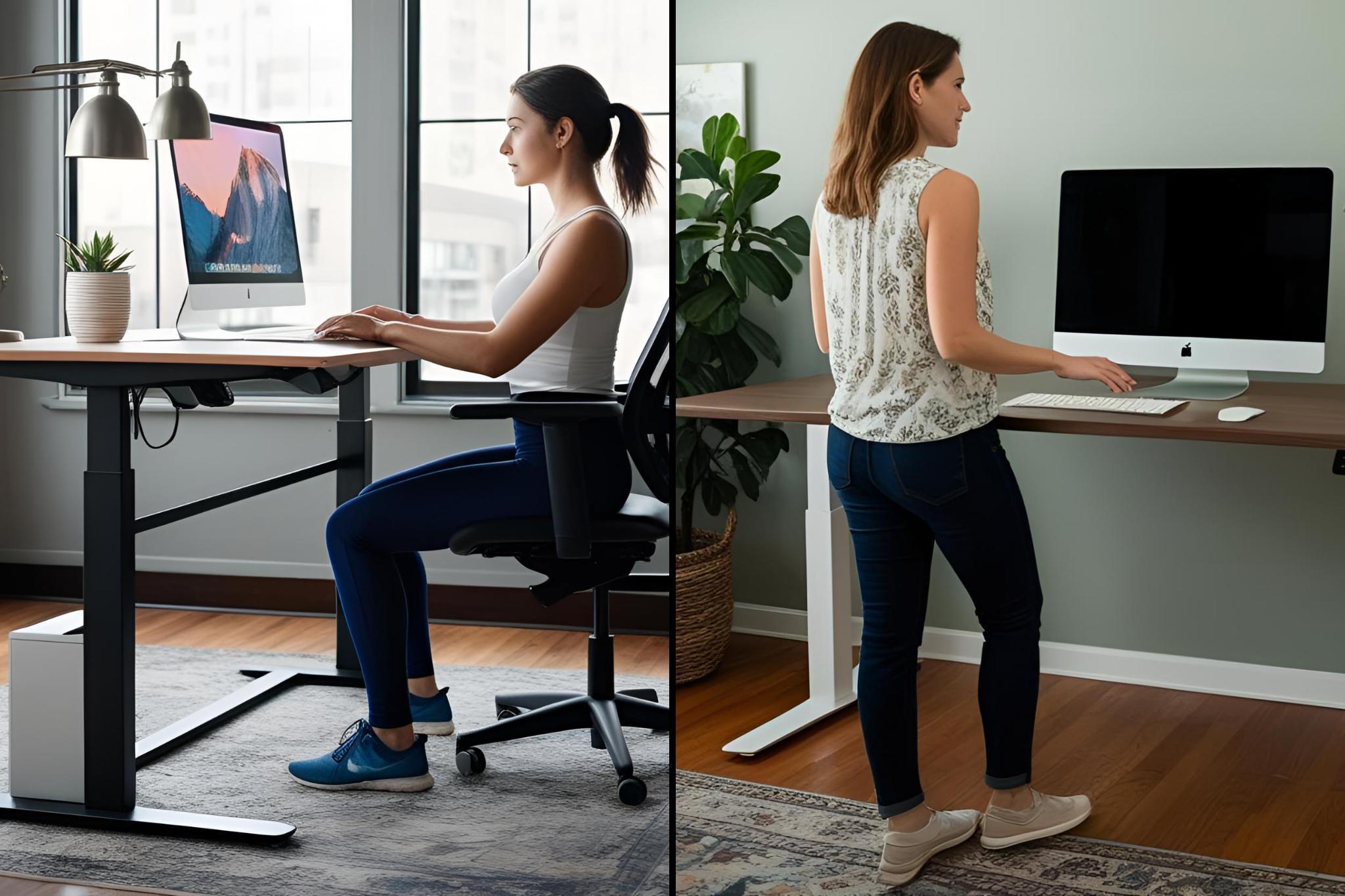
If you spend your days hunched over a keyboard, staring at complex dashboards, or writing lines of code, you are likely carrying the stress of the day in your neck, traps, and shoulders. “Tech neck” and corporate posture lead to chronic fascial restriction and muscle knots that static stretching simply cannot resolve.
Enter the percussive massager. Brands like Theragun have revolutionized home recovery by providing professional-grade deep tissue massage on demand. Percussive therapy works by delivering rapid, concentrated pulses of pressure deep into your muscle tissue. This action increases blood flow, quickly reduces localized inflammation, and breaks up the tension that turns your shoulders into stone by 5:00 PM.
The Retreat Strategy: Keep an eye out for Theragun on QVC or similar premium models (like Homedics). Use this device for just five to ten minutes at the end of your workday. Target the upper back, forearms, and chest to counteract the forward-leaning posture of desk work. It is an immediate, mechanical release of the day’s stress.
Component 2: The Grounding Relief of a Shiatsu Foot Massager
There is a profound, almost primal sense of relief that comes from taking care of your feet. Even if you are sitting at a desk all day, foot fatigue is a real symptom of systemic exhaustion. Reflexology suggests that our feet are the foundation of our nervous system’s health, and mechanical stimulation can trigger full-body relaxation.
A heated Shiatsu foot massager from QVC is a non-negotiable addition to an at-home recovery zone. These devices use rotating nodes to simulate the finger pressure of a Shiatsu massage therapist, often combined with gentle heat therapy to promote vasodilation and soothe aching arches.
The Retreat Strategy: Slide a Shiatsu massager under your desk or place it in front of your living room sofa. When you are transitioning from “work mode” to “evening mode”, perhaps switching from client calls to reading or studying for upcoming exams, slip your feet in. The combination of heat and deep kneading pressure signals to your brain that the high-stress portion of the day has concluded. It forces you to sit still, breathe, and literally ground yourself.
Component 3: The Chemical Comfort of a Weighted Blanket
Burnout is not just physical fatigue; it is a state of chronic nervous system dysregulation. When you are stressed, your body remains trapped in a sympathetic “fight or flight” state. You need a tool to force your body back into the parasympathetic “rest and digest” state.
Weighted blankets on QVC are engineered exactly for this purpose. Utilizing a therapeutic technique called Deep Pressure Stimulation (DPS), these blankets provide firm, consistent pressure across the body, mimicking the sensation of being held or swaddled. This physical pressure triggers a highly beneficial chemical reaction in the brain: it decreases cortisol (the stress hormone) while simultaneously increasing the production of serotonin and melatonin (the hormones responsible for happiness and sleep).
The Retreat Strategy: You do not need to use a weighted blanket solely for sleeping. Keep a 10- or 15-pound weighted blanket in your designated recovery space. Whenever you feel overwhelmed by a project, drape it over your shoulders or lap for twenty minutes while you drink tea or listen to an audiobook. The physiological response is rapid and measurable, offering a profound sense of safety and calm. QVC frequently features premium wellness brands offering weighted blankets with cooling fabrics, ensuring you get the therapeutic benefits without overheating.
Component 4: Light Therapy Lamps for Circadian Harmony
One of the most insidious contributors to burnout is a disrupted circadian rhythm. Modern professionals spend the vast majority of their daylight hours indoors, bathed in the artificial glow of monitors and overhead fluorescent lights. By the time you log off, the sun has often set. This lack of natural sunlight confuses your biological clock, leading to lethargy during the day and insomnia at night.
A Light Therapy Lamp (often associated with treating Seasonal Affective Disorder, or SAD) is a brilliant addition to a recovery space. These lamps emit a bright, full-spectrum light (usually around 10,000 lux) that mimics natural outdoor sunlight without the harmful UV rays.
The Retreat Strategy: Integration is key. You don’t need to stare directly into the light. Set up a light therapy lamp slightly off to the side in your recovery zone. Use it for 20 to 30 minutes in the morning as you drink your coffee and mentally prepare for the day, or during a mid-afternoon slump to naturally boost your energy without relying on a fourth cup of caffeine. By regulating your circadian rhythm, you improve your sleep quality, which is the ultimate, foundational pillar of true recovery.
Curating the Space: Making It Yours
The equipment is only half of the equation; the environment is the other. Your At-Home Recovery Zone does not need to be a massive, dedicated room. It can be a corner of your bedroom, a section of your home office, or a cozy nook in the living room.
The goal is intentionality. When you enter this space, your brain should automatically associate it with deceleration.
- Remove the Clutter: Keep work-related items, laptops, and to-do lists entirely out of this zone.
- Engage the Senses: Utilize an essential oil diffuser with calming scents like lavender or eucalyptus. QVC is a fantastic resource for high-capacity, aesthetically pleasing diffusers.
- Layer the Comfort: Use the introductory QCard credits you earned from your larger tech purchases to buy plush, restorative accessories, perhaps a set of ultra-soft lounge socks, an eye mask, or an ergonomic lumbar pillow.
Frequently Asked Questions
How can I create a wellness space at home?
Start with a quiet area, add calming elements like soft lighting, comfortable seating, and relaxation tools such as massagers or aromatherapy devices.
What are affordable wellness products to consider?
Yoga mats, foam rollers, essential oil diffusers, and handheld massagers are budget-friendly options.
Are at-home wellness tools effective?
Yes, consistent use of wellness tools can help reduce stress, improve recovery, and support overall well-being.