This article contains affiliate links. If you purchase or book through these links, we may earn a commission at no additional cost to you.
The digital landscape has fundamentally shifted how we consume fashion. We no longer just view clothing on a static runway or a mannequin in a storefront; we experience it through the lens of a camera, compressed by algorithms, and stylized by color grades. For the modern content creator, wardrobe is no longer just about personal style, it is a critical component of production design. What you wear dictates how your camera sensor reacts, how your lighting wraps around your subject, and ultimately, how much flexibility you have when you sit down at your editing bay.
Enter Bershka’s 2026 collection. It is a masterclass in highly visual, camera-ready apparel. Designed with the digital native in mind, the 2026 lineup moves away from flat, lifeless fabrics and embraces bold textures, hyper-pigmented colors, and structural graphics. For those who are actively learning the nuances of video editing and color grading, your clothing choices can either fight your software or work in perfect harmony with it. This editorial will break down exactly how to curate a Bershka “wardrobe kit” that pops on camera, streamlines your post-production workflow, and helps you define a signature aesthetic for TikTok, YouTube, and beyond.
The Camera Understands Contrast: Why Wardrobe Matters
To understand why certain clothes look better on camera, you have to understand how a camera sensor interprets the world. Cameras do not see clothing; they see light, shadow, and contrast. When you wear a flat, matte, monochromatic shirt, the camera struggles to find depth. The result is a two-dimensional look that can make your footage feel amateurish, regardless of how expensive your camera is.
Bershka’s 2026 collection solves this by engineering contrast directly into the garments. By utilizing reflective nylons, deeply ribbed knits, and distressed washes, the clothing creates its own micro-shadows. When you set up a simple key light and a rim light in your studio, these textures catch the illumination dynamically. This built-in contrast is a lifesaver in post-production. It gives your footage a three-dimensional pop right out of the camera, meaning you spend less time trying to artificially dodge and burn your footage to create depth, and more time focusing on the pacing and storytelling of your content.
Texture as a Visual Anchor in Video Editing
If you are just diving into the world of video editing, you will quickly learn that texture is your best friend when it comes to masking, tracking, and rendering.
Imagine you are filming a dynamic transition for a YouTube vlog. You want to mask out your body and transition to a new scene. If you are wearing a plain, smooth black t-shirt against a dark background, your editing software is going to struggle to find the edges of your silhouette. The tracking points will slip, your masks will bleed, and you will spend hours manually rotoscoping the footage frame by frame.
Now, swap that plain shirt for one of Bershka’s 2026 distressed denim jackets or a high-gloss puffer vest. The rich textures and varied surface reflections give your editing software an abundance of high-contrast tracking points. When you drop that footage into your timeline, automated masking tools suddenly work flawlessly. The texture acts as a visual anchor.
Furthermore, when rendering out to high-definition formats like 4K, fine textures add an element of premium quality to your video. YouTube’s compression algorithms are notorious for “muddying” flat colors, turning a smooth grey sweater into a pixelated, blocky mess. Highly textured fabrics force the compression algorithm to retain detail, ensuring your final upload looks crisp, professional, and visually engaging.
Color Grading 101: Your Wardrobe is Your Base LUT
Color grading is the secret sauce of cinematic content creation. It is the process of altering the colors in your footage to evoke a specific mood or style. But here is the hard truth: you cannot color grade what is not there. If your wardrobe consists of muted, muddy tones, no amount of post-production magic will make your footage look vibrant. Your wardrobe should be considered your base Look Up Table (LUT), the foundational color palette upon which you build your aesthetic.
Bershka’s 2026 visuals lean heavily into striking, deliberate colorways. We are seeing a resurgence of electric cobalt blues, digital lavenders, and deep, true-black silhouettes. These colors are not just fashionable; they are highly malleable in post-production.
When you pull your footage into a robust software like DaVinci Resolve to work on your node tree, or when you are simply throwing a trending cinematic filter over your timeline in Capcut for a quick TikTok upload, the starting color of your wardrobe dictates the final result.
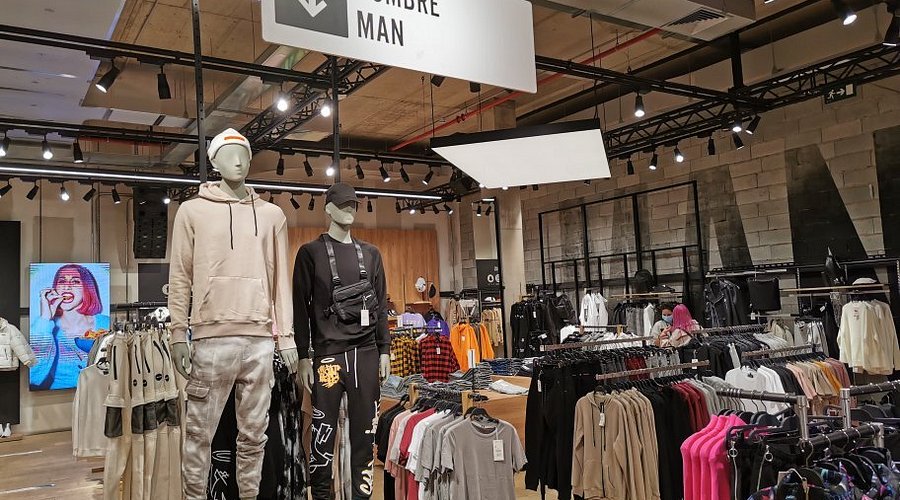
For instance, wearing a Bershka electric blue oversized knit gives you incredible leverage in the HSL (Hue, Saturation, Luminance) curves. You can easily isolate that specific shade of blue and shift it towards a moody teal for a cinematic, urban aesthetic, or push the saturation up for a bright, high-energy pop-culture vlog. Because the dye quality and fabric choices in the 2026 line are so saturated, the colors don’t “break” or pixelate when you push them hard in the color wheels.
Conversely, the true blacks in the Bershka collection are essential for establishing a solid black point in your footage. A deep, non-reflective black shirt absorbs stray light, ensuring that your face and eyes remain the brightest, most focal points of the composition. It creates a natural vignette effect that guides the viewer’s attention exactly where you want it.
Framing and Composition: The Power of the Graphic Tee
Different platforms require different aspect ratios, and your clothing needs to adapt to how you frame your shots. YouTube demands the wide, cinematic 16:9 ratio, allowing for sweeping backgrounds and environmental context. TikTok and Shorts, however, restrict you to the vertical 9:16 ratio, heavily cropping your environment and making you the sole focus of the frame.
In a vertical framing, the chest and shoulders take up a massive percentage of the screen real estate. This is where Bershka’s 2026 graphic tees and structured tops become a powerful compositional tool. The collection features oversized graphics, typography, and asymmetric cutouts that are perfectly positioned for the “talking head” framing.
A well-placed graphic tee does more than just look cool; it provides a point of visual interest that keeps the viewer’s eyes locked on the screen during longer, dialogue-heavy videos. The typography and bold lines create leading lines that pull the viewer’s gaze up toward your face. Furthermore, if you are learning how to use jump cuts to keep your audience’s attention, the sharp contrast of a Bershka graphic tee ensures that every cut feels punchy and deliberate, adding to the kinetic energy of the edit.
Building Your Creator Wardrobe Kit
To truly optimize your workflow, you should approach your closet the same way you approach your camera gear bag. You need a reliable “kit” that you can reach for depending on the specific demands of your shoot. Here is how to build your creator wardrobe kit using Bershka’s 2026 collection:
1. The “A-Roll” Essential (For Talking Heads and Sit-Down Videos): When you are sitting in front of a camera delivering information, you want clothing that is visually interesting but not distracting. Opt for Bershka’s ribbed long-sleeve tops or structured denim overshirts. The texture will catch your studio lights beautifully, and the solid, bold colors will make color grading a breeze. Stick to jewel tones or crisp whites to ensure your skin tones look healthy and natural when you adjust your white balance.
2. The “B-Roll” Statement Piece (For Vlogs and Montages): When you are moving through an environment, shooting B-roll, or filming a highly kinetic TikTok, you need pieces that scream energy. This is where you pull out the Bershka 2026 graphic tees, the metallic-finish puffer jackets, or the heavily distressed cargo pants. These pieces look incredible in motion. They catch the sun, they create dynamic silhouettes, and they allow you to push your color grading into hyper-stylized, high-contrast territory without the footage looking artificial.
3. The “Chroma” wildcard (For Green Screen and Visual Effects): If your content involves heavy editing, green screens, or background replacements, your wardrobe kit must include high-contrast, edge-defining clothing. Bershka’s leather-look jackets or dense, heavy-cotton hoodies are perfect here. They provide a solid, unmoving silhouette that makes pulling a clean chroma key incredibly easy. Avoid anything with a fine fringe or fuzzy texture (like mohair) when shooting against a green screen, as it will make your editing software struggle to separate you from the background.
Translating Aesthetics Through Filters
For the creator on the go, sometimes deep node-based color grading isn’t feasible, and you rely on in-app filters or preset LUTs. The beauty of the Bershka 2026 collection is its versatility under various filter treatments.
If you prefer a “vintage film” aesthetic, characterized by raised black levels, heavy grain, and warm, orange highlights, the distressed textures and faded wash options within the Bershka lineup naturally complement this look. The physical distressing of the garments mirrors the digital distressing of the film grain, creating a cohesive visual narrative.
On the other hand, if you prefer a “clean girl” or hyper-modern minimalist aesthetic, characterized by high contrast, cool tones, and sharp clarity, the sleek, athletic-inspired silhouettes and stark monochromatic pieces in the collection are your best asset. When you apply a sharpening filter or push the contrast slider, these garments retain their crisp edges and deep shadows, elevating the production value of a simple smartphone video to look like a high-budget commercial.
Editing Starts in the Closet
The best video editors know that post-production is actually the final step in a long chain of creative decisions. The lighting, the camera angles, and the wardrobe all play a massive role in how the final video looks. By approaching your fashion choices with an editor’s mindset, you can drastically improve the quality of your content.
Bershka’s 2026 collection provides the perfect toolkit for this endeavor. By leveraging their bold colors for easier grading, their deep textures for better lighting and compression, and their striking graphics for optimized framing, you are not just getting dressed, you are designing your digital aesthetic. Whether you are cutting a cinematic masterpiece on a dual-monitor desktop setup or swiping through filters on your phone on the train ride home, a camera-ready wardrobe ensures your content always stops the scroll.