
Your phone bill should reflect how you use your phone, not how much your mobile provider can persuade you to spend. Yet many people pay for unlimited data, generous calling allowances, and premium extras they rarely use.
The good news? You can lower your phone bill without sacrificing the features you rely on. By reviewing your mobile usage, reducing unnecessary data consumption, and comparing affordable phone plans, you can find a better balance between cost and convenience.
Whether you stream music, make video calls, browse social media, or mostly use Wi-Fi, here is how to choose a mobile plan that fits your needs and budget.
1. Review Your Mobile Usage
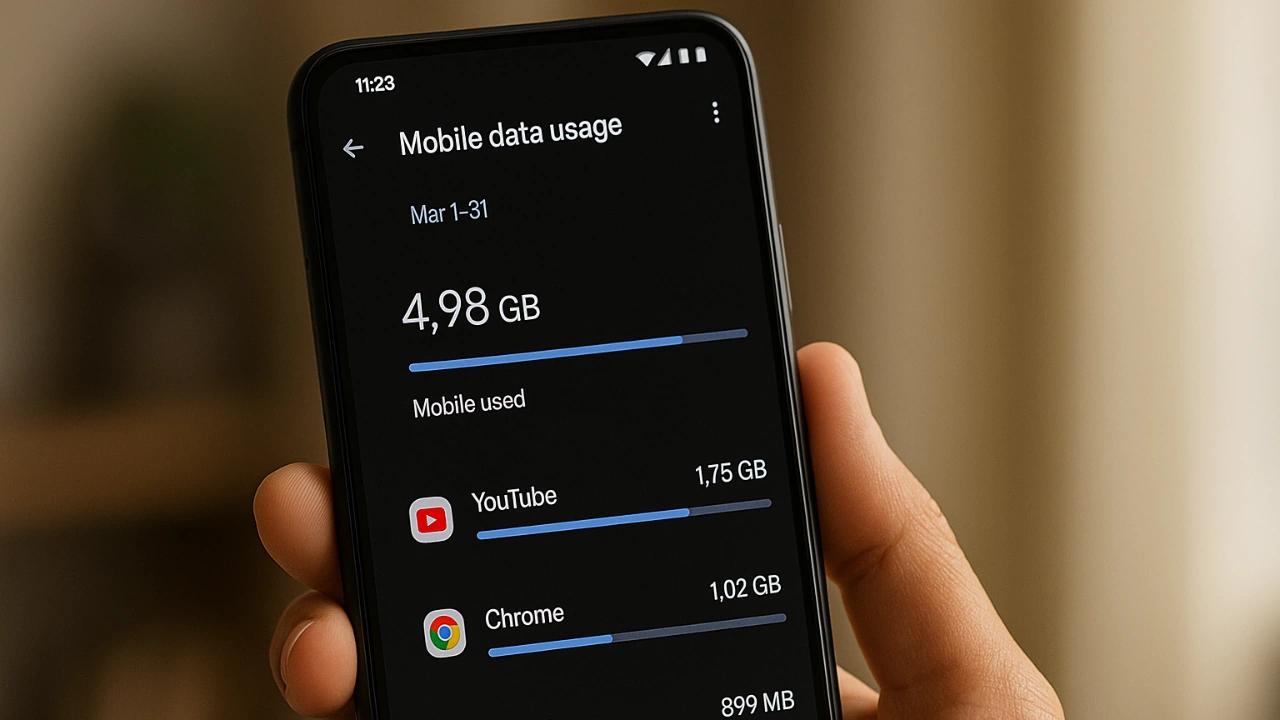
Before switching providers, check how much data, calling time, and texting you actually use. Your smartphone’s settings can provide a useful starting point.
On an iPhone, open Settings and select Cellular. On Android, look for Data Usage under Network and Internet or a similarly named setting.
Review your usage across several billing cycles if possible. Then ask yourself:
- Do you regularly use all your monthly mobile data?
- Do you make traditional calls frequently, or mostly use messaging apps?
- Are you paying for international calling or hotspot access you rarely need?
- Does your bill include subscriptions or other extras you no longer use?
If you consistently finish the month with plenty of unused data, a smaller allowance could be sufficient. However, leave some room for unexpected travel, video calls, or other changes in your routine.
The goal is to pay for what you need, rather than automatically choosing the biggest package.
2. Reduce Unnecessary Mobile Data Usage
Sometimes, lowering your phone bill starts with changing a few settings rather than changing providers.
Video streaming, social media, automatic downloads, and cloud backups can consume substantial amounts of mobile data. Fortunately, you can reduce this usage without abandoning your favourite apps.
Try these simple adjustments:
- Use Wi-Fi: Download music, podcasts, and videos before travelling.
- Lower streaming quality: High-definition video generally consumes more data than lower-resolution playback.
- Limit background activity: Restrict mobile data for apps that do not need constant updates.
- Disable automatic downloads: Prevent large files and app updates from using mobile data unnecessarily.
- Monitor hotspot usage: Connecting laptops and tablets can quickly increase consumption.
Keep essential background activity enabled where necessary for notifications, navigation, and other important functions.
These changes may help you stay within a smaller data allowance, making a cheaper phone plan more practical.
3. Choose a Data Plan That Matches Your Lifestyle
Unlimited data sounds appealing, but it is not always the best value.
Light users who mainly browse websites, send messages, and check emails may manage comfortably with a smaller allowance, especially when Wi-Fi is readily available.
Moderate users who regularly browse social media, stream music, and make occasional video calls may benefit from a medium-sized allowance.
Heavy users who stream videos frequently, work remotely, or rely on mobile hotspots may need a larger data package or unlimited plan.
Consider your typical usage before making a decision. Also check whether unlimited plans include speed restrictions, hotspot limits, or network management policies.
A plan that offers slightly more data than you usually consume can provide a useful buffer without requiring you to pay for substantially more than you need.
4. Compare Prepaid and Traditional Phone Plans
Comparing prepaid and postpaid phone plans can reveal opportunities to reduce your monthly expenses.
Prepaid plans generally require payment before the service period begins. They often offer straightforward pricing and can make it easier to manage your budget.
Traditional postpaid plans bill you after using the service and may include device financing, family discounts, or bundled subscriptions. These benefits can be valuable, but additional charges may increase the total cost.
Neither option is automatically cheaper. Compare monthly service charges, taxes, fees, device payments, and promotional rates that may expire.
Also check coverage, international calling, hotspot availability, and what happens if you exceed your data allowance.
If you already own a compatible phone, switching to a lower-cost plan without financing a new device could help you save even more.
5. Look Beyond the Advertised Price
A low advertised rate does not always mean the lowest overall cost.
Before choosing a new provider, check whether taxes and fees are included, whether the price requires multiple lines, and whether you must pay for several months upfront.
Review your existing bill, too. You might discover unnecessary subscriptions, outdated add-ons, or a promotional discount that has expired.
If your current provider offers a more affordable plan, you may be able to save without switching networks.
Even a modest reduction can add up. Saving $15 per month means keeping $180 over a year, while a $25 monthly reduction adds up to $300 annually.
Compare the total yearly cost, not just the headline monthly price.
6. Consider Customizable Plans Like Tello
If your current plan includes more data or calling capacity than you need, a customizable mobile plan may be worth considering.
Tello offers customizable phone plans that allow customers to choose combinations of data, minutes, and texting according to their needs. This flexibility can help people avoid paying for larger bundles simply because they are the default option.
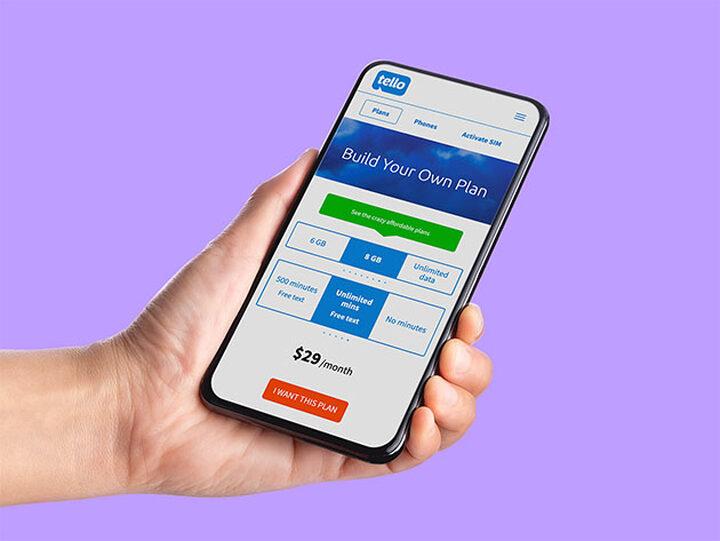
For example, someone who spends most of the day connected to Wi-Fi may prefer a smaller mobile data allowance. Someone who makes frequent traditional calls but uses relatively little data might prioritise minutes instead.
Tello may suit people looking for flexible monthly pricing and greater control over their mobile expenses.
Before signing up, compare current prices, included allowances, taxes, device compatibility, and coverage in your area. Check that the plan supports features you regularly use, including hotspot access or international calling, where applicable.
Tello operates on T-Mobile’s network in the United States, so coverage and performance depend on local network conditions and device compatibility.
As with any provider, compare the complete service offering before deciding whether it provides better value.
7. Keep the Features That Matter Most
Saving money should not make your phone less useful.
Make a list of your essential features before changing plans. These might include reliable hotspot access for remote work, international calling to reach family, or roaming options for frequent travel.
Check that your new plan supports these requirements. If you want to keep your existing number, confirm the transfer process with your new provider before making changes. In the United States, avoid cancelling your current service before the number transfer is complete.
You should also review your plan every three to six months. Your usage may change if you start working from home, travel more frequently, or rely on Wi-Fi more often.
Regular reviews help you avoid paying for allowances and extras that no longer suit your lifestyle.
Fun FAQs About Lowering Your Phone Bill
1. Is unlimited data always worth it?
Not necessarily! If you mostly use Wi-Fi, unlimited data could be more than you need. Check your actual usage before paying extra.
2. Can I keep my phone number when switching providers?
Usually, yes. In the United States, eligible numbers can generally be transferred to another provider. Keep your existing service active until the transfer is complete.
3. What is the quickest way to reduce data usage?
Start with video quality, automatic downloads, and background app activity. Small adjustments can help you use less data without giving up your favourite apps.
4. Is prepaid service only for budget-conscious users?
No. Prepaid plans can suit anyone who values predictable spending, flexible allowances, and greater control over monthly costs.
5. Is Tello worth considering for light data users?
It may be. Tello’s customizable plans let you choose data and calling allowances based on your needs. Compare current pricing and coverage before switching.
6. How often should I review my phone plan?
Every three to six months is a good starting point. Review it sooner if your bill increases or your usage changes significantly.
Final Thoughts
Lowering your phone bill does not mean sacrificing reliable connectivity or useful features. Start by reviewing your usage, reducing unnecessary data consumption, and comparing prepaid and traditional plans.
Customizable options such as Tello may also help you find a plan that better matches your needs.
The best phone plan is not the one with the biggest allowance. It is the one that gives you the features you actually use at a price that fits your budget.