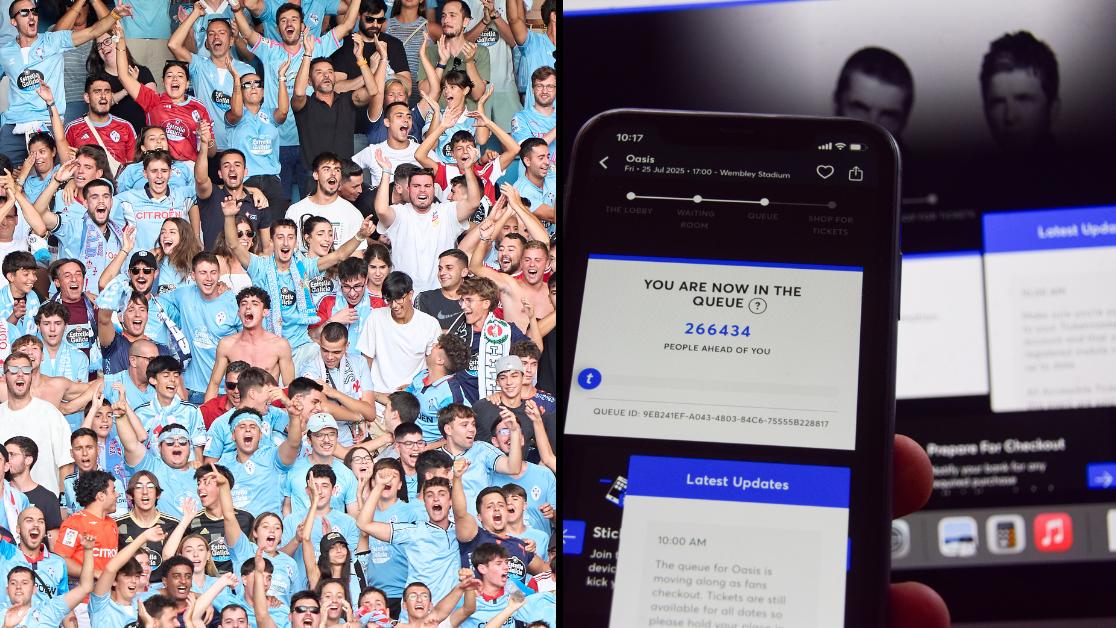
The countdown is on, and the excitement for the 2026 tournament is electric. For the first-time mega-event attendee, the dream is clear: hearing the roar of the crowd, seeing the world’s best players on the pitch, and soaking in a once-in-a-lifetime atmosphere. But between you and that stadium seat lies a digital gauntlet.
When demand for a global sporting event skyrockets, the secondary market floods with bad actors looking to capitalize on desperation. Recent data from banking authorities reveals a grim reality: sports ticket fraud has spiked by an alarming 36% during high-demand fixtures this year alone. Even worse, the average financial loss per scammed fan has climbed to over $350, with some victims losing thousands of dollars on non-existent VIP packages.
Cybercriminals know you are eager, and they know you might act quickly if you think you’ve found a great deal. This guide is your defensive playbook. We are breaking down the modern mechanics of digital ticket fraud, how to spot the red flags, and exactly what you need to do to secure your seats safely.
The New Mechanics of Digital Ticket Fraud
Gone are the days of a scalper standing on a street corner handing over a forged paper ticket. Today’s scammers operate globally, utilizing sophisticated digital techniques that can trick even the most tech-savvy fans. If you want to protect your wallet and your trip, you need to understand how these modern scams operate.
1. Phishing and Fake Confirmation Emails
Scammers have mastered the art of digital impersonation. You might receive an email that looks exactly like it came from FIFA’s official ticketing portal or a major platform like Ticketmaster. The branding, the fonts, and the tone are identical. The email will claim that a new block of tickets has just been released, urging you to click a link before they sell out.
That link takes you to a cloned website. The moment you enter your login credentials or credit card information, the scammers capture it. Always navigate directly to the official website through your browser rather than clicking links in unexpected emails. If you want to dive deeper into how these deceptive tactics work, check out recent reports from cybersecurity blogs discussing phishing trends.
2. The Social Media Mirage
Buying tickets off Reddit, Twitter (X), or Facebook Groups is a massive risk. Social media platforms are the primary hunting grounds for modern ticket scammers.
Here is how the trap is set: A user posts that they bought tickets but can no longer attend due to a family emergency. They offer the tickets at face value or just slightly above, creating a sense of urgency and perceived fairness. They might even have a seasoned profile with a history of posts, or mutual connections in a fan group.
This is the mirage. Scammers routinely buy or hack aged social media accounts to appear legitimate. They will gladly send you a “screenshot” of the ticket as proof. Once you send the money via an irreversible peer-to-peer app, they block you and vanish. Remember: a screenshot is never a valid ticket, and a friendly profile picture is not a buyer’s guarantee.
3. The Fake Crypto “Right-to-Ticket” Scheme
As Web3 and blockchain technology have gained prominence, scammers have invented a new 2026 angle: selling fake cryptocurrency tokens or NFTs that allegedly grant the “right” to a ticket. They prey on the confusion surrounding digital assets, claiming that buying their token secures your spot on an exclusive entry list.
Let’s be crystal clear: Major football tournaments do not use unverified third-party crypto tokens for ticketing. Any scheme asking you to transfer Ethereum or Bitcoin for a “guaranteed allocation” is a fraud designed to drain your digital wallet.
Official vs. Resale: Knowing Your Battleground
To navigate the ticketing landscape safely, you must understand the difference between the primary market and the secondary market.
The safest route is always the primary market. Purchasing directly through the event’s official portals ensures your ticket is 100% legitimate. However, because demand for 2026 will wildly outpace supply, millions of fans will inevitably be pushed to the secondary market.
If you must buy resale, only use verified, reputable platforms. Platforms like StubHub and SeatGeek offer comprehensive buyer guarantees. If a ticket you purchase on these platforms turns out to be invalid, the company is on the hook to either find you a replacement ticket or issue a full refund.
Yes, these platforms charge service fees. But those fees are the price of security. Buying a ticket from an unregulated forum to save 15% on fees is how fans end up losing their entire investment and being turned away at the stadium gates. For a deeper dive into the pros and cons of these platforms, read our guide on Official vs Resale Ticket Platforms.
How to Verify Digital Transfers
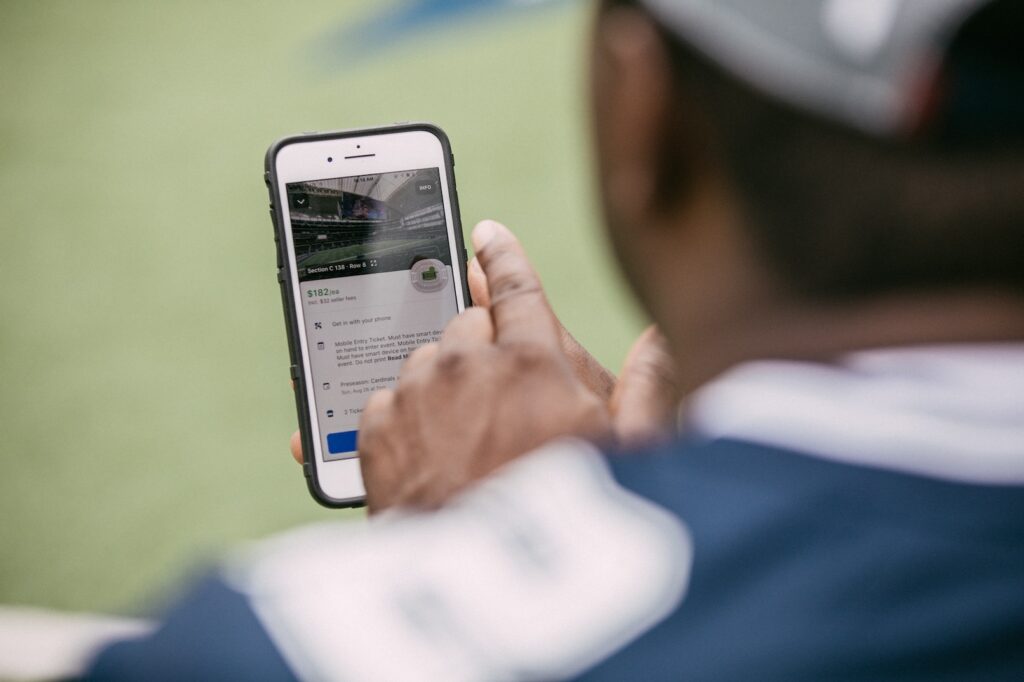
Almost all legitimate tickets for the 2026 tournament will be fully digital and mobile-only. The days of printing a barcode at home are largely over. Because of this, understanding the anatomy of a real mobile ticket is crucial.
If you are purchasing a ticket that requires a digital transfer from another fan, the transfer must happen within the official app ecosystem (like the Ticketmaster app or the official tournament app).
Here is what you need to look for:
- Dynamic Barcodes: Legitimate mobile tickets often use a rotating or dynamic barcode that refreshes every few seconds. This prevents someone from taking a screenshot and selling it multiple times.
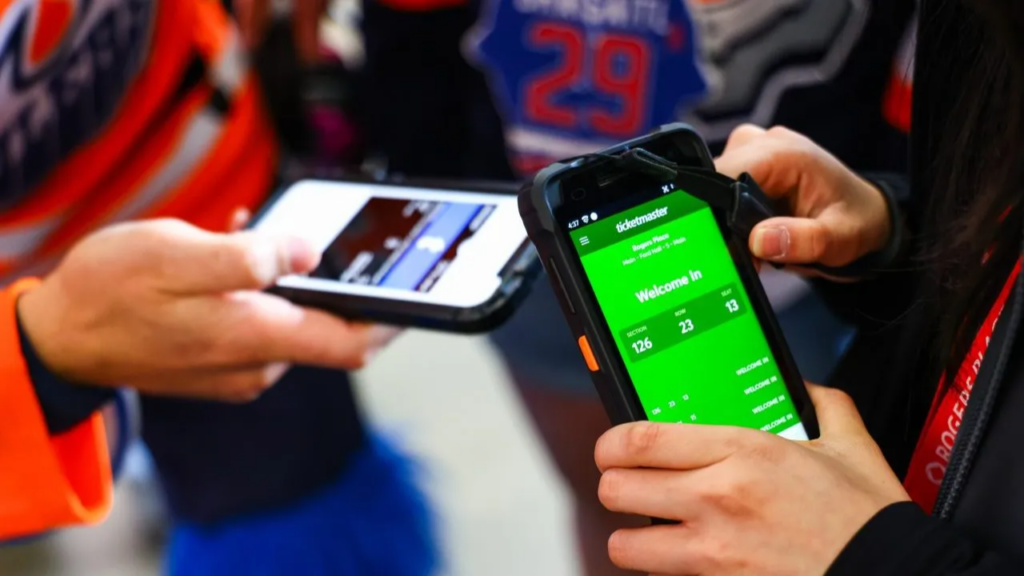
- NFC Technology: Many modern stadiums utilize Near Field Communication (NFC). You tap your phone to the scanner just like you would when using Apple Pay. There is no visible barcode at all.
- The In-App Transfer: If a seller says they will “email you the PDF” or sends you a screenshot of a QR code, walk away immediately. A legitimate transfer requires the seller to input your email address into the official app, which then generates an email prompting you to accept the ticket into your own account.
If you are unsure about the entry requirements for a specific venue, review our Complete Breakdown of the 16 Host City Stadiums to understand the tech infrastructure at the gates.
Protecting Your Payments
How you pay is just as important as where you buy. If you take away only one piece of advice from this guide, let it be this: Never use irreversible payment methods with strangers.
Scammers rely on payment platforms that offer zero buyer protection. If a seller insists on using Zelle, CashApp, Venmo (Friends & Family), wire transfers, or direct cryptocurrency payments, it is a scam. Once you hit send on these platforms, the money is gone, and your bank cannot get it back.
Instead, always use methods that offer robust dispute resolution mechanisms:
- Credit Cards: Paying with a major credit card like Visa provides strong consumer protection under the Fair Credit Billing Act. If you are defrauded, you can initiate a chargeback.
- PayPal (Goods & Services): If you are forced to buy directly from an individual, insist on using PayPal’s “Goods & Services” option. This specific transaction type includes buyer protection. Scammers will often try to convince you to use “Friends & Family” to avoid the small fee, do not fall for it. Tell them you will cover the 3% fee yourself. If they still refuse, they are trying to scam you.
For more insights on managing your money safely while abroad, check out our guide on the Best Payment Methods for International Sports Travelers.
Preparation is Protection
Securing your ticket is just the first step of your journey. As you prepare for the tournament, your digital security should remain a priority. When you are traveling, booking hotels, and logging into ticketing portals, you will likely be using public Wi-Fi networks in airports or cafes.
These unsecured networks are prime targets for hackers looking to intercept sensitive data. To protect your personal information and credit card details, always use a reputable Virtual Private Network (VPN) when browsing. A VPN encrypts your connection, keeping your digital footprint secure whether you are at home or sitting in a busy terminal.
Once your tickets are safely in your digital wallet, the real fun begins. You can shift your focus from avoiding scams to planning the trip of a lifetime. Start mapping out your routes with our guide on How to Plan the Ultimate FIFA 2026 Travel Itinerary, and make sure you haven’t forgotten any essentials by consulting our comprehensive Football Travel Checklist.
If you believe you have encountered a fraudulent seller or have been the victim of a scam, do not stay silent. Report the incident to your local consumer protection agencies and your bank immediately. The faster you act, the higher your chances of recovering your funds and shutting down the scammer’s operation.
The Final Whistle
The anticipation of a global football tournament brings out the best in fans and the worst in opportunists. The secondary market is a minefield of digital illusions, pressure tactics, and sophisticated phishing schemes. By understanding the mechanics of these frauds, strictly relying on reputable payment methods, and knowing how a true digital ticket functions, you strip scammers of their power.
Protect your investment, protect your peace of mind, and ensure that when match day arrives, the only thing you have to worry about is the score on the pitch.
Don’t gamble on social media sellers, compare verified seats on secure platforms.