The FIFA World Cup has always been more than a month-long sporting competition; it is a global cultural phenomenon that reshapes consumer behavior, media consumption patterns, and retail cycles. As the countdown to the FIFA World Cup 2026 intensifies, marketing professionals, brand managers, and sports advertisers face a significantly altered landscapes. For the first time, the tournament will expand to 48 teams playing across three host nations, the United States, Canada, and Mexico. This expansion means more matches, more time zones to navigate, and a massive opportunity for the corporate ecosystem to capture consumer attention.
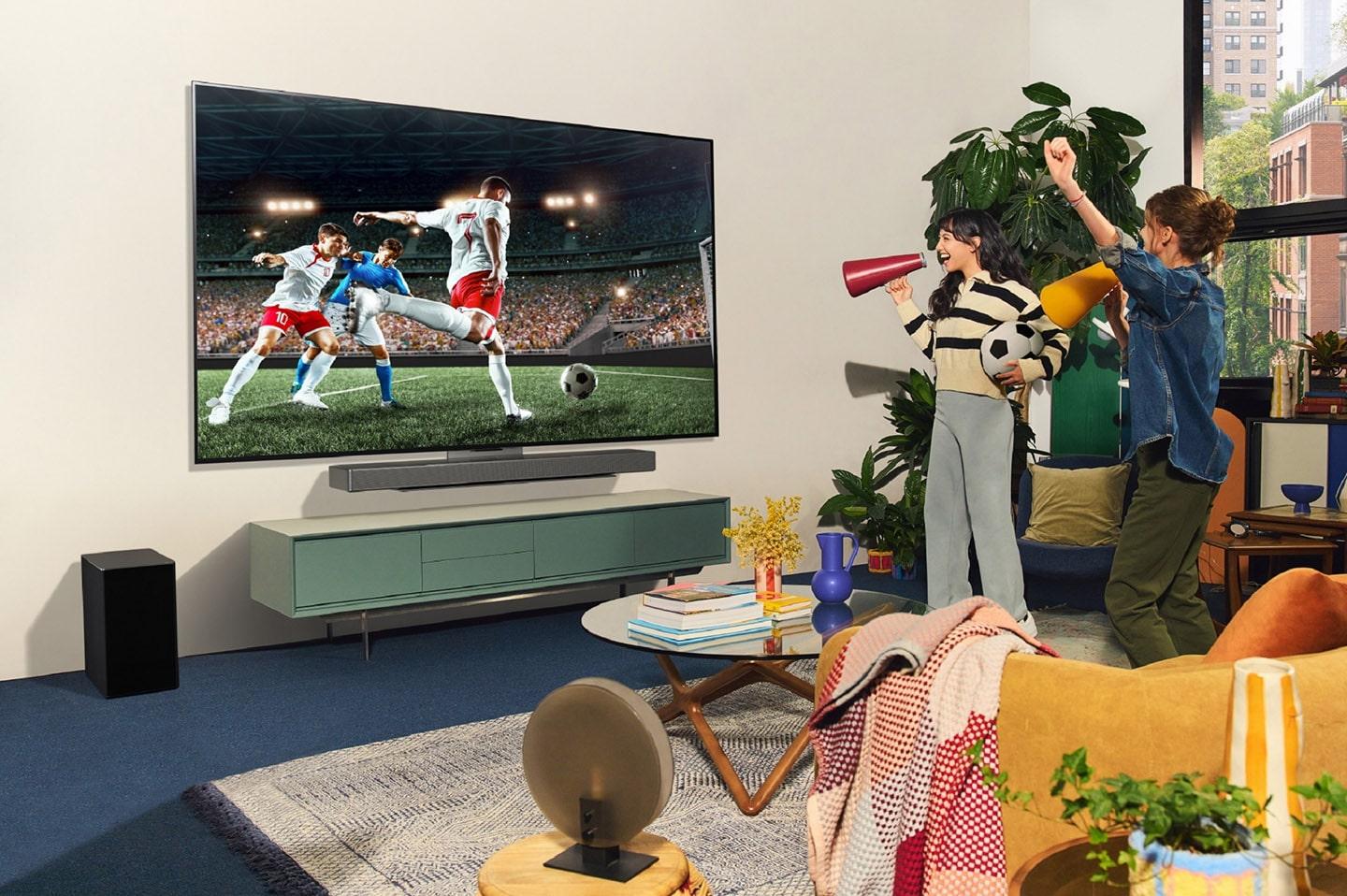
Yet, as premium stadium ticket prices soar and geographic barriers isolate millions of passionate fans, a powerful counter-trend is solidifying: the rise of the premium home stadium experience. The traditional concept of a “sports watch party” has evolved from a casual gathering with chips and a small television into a highly sophisticated, multi-sensory home entertainment production. Driven by advancements in smart home technologies, high-definition streaming, quick-commerce food ecosystems, and immersion-focused lifestyles, consumers are investing heavily to recreate a stadium atmosphere in their living rooms.
For brand managers and marketers, this shift offers a unique entry point. The home watch party represents an environment where consumer engagement is exceptionally high, brand exposure is sustained over hours, and purchasing decisions are collaborative. Understanding how consumers curate this environment allows brands to seamlessly insert themselves into the narrative, moving beyond static television commercials to become active facilitators of the match-day experience.
The Economics of the Living Room Stadium
The modern sports watch party is an active consumer ecosystem driven by interconnected industries, including consumer electronics, digital streaming platforms, retail, food and beverage, and quick-commerce. Industry data consistently shows that major sporting events act as major catalysts for cyclical retail growth. According to data from the Consumer Technology Association (CTA), sales of premium, large-screen televisions (65 inches and above) historically spike by 15% to 20% during World Cup years. Consumers routinely view international football tournaments as the ultimate justification to upgrade their home entertainment hardware.
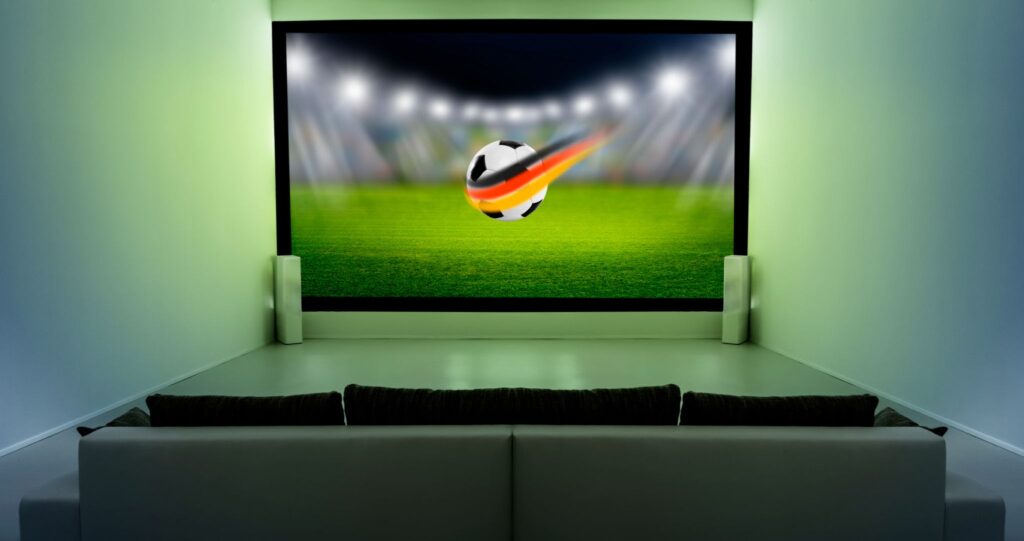
This upgrade cycle extends far beyond the visual display. A truly immersive living room stadium requires a carefully engineered synergy between software and hardware. The foundation of any watch party setup is a high-performance streaming operating system capable of managing live sports feeds without latency or interface friction. This is where hardware platforms like Roku play a foundational role.
For the modern consumer, the streaming stick or smart TV operating system acts as the central control panel for the game-day experience. Roku has successfully positioned itself as a friction-free ecosystem where users can navigate between multiple sports networks, regional streaming applications, and live data dashboards with minimal input lag. From a business perspective, platforms like Roku are no longer just hardware pass-throughs; they are premium advertising real estate. Their home screen takeovers, sponsored content hubs, and targeted app recommendations during high-stakes sporting events provide brand managers with some of the highest conversion rates in digital media.
Fragmented Rights and Connected TV (CTV) Strategies
As consumers establish their home hardware foundations, the focus shifts to content distribution. The sports broadcasting rights landscape for FIFA 2026 is highly fragmented, presenting both unique challenges and distinct advantages for digital advertisers. Linear television is no longer the sole gatekeeper of the World Cup experience; Connected TV (CTV) and Over-The-Top (OTT) streaming platforms are now driving consumer engagement.
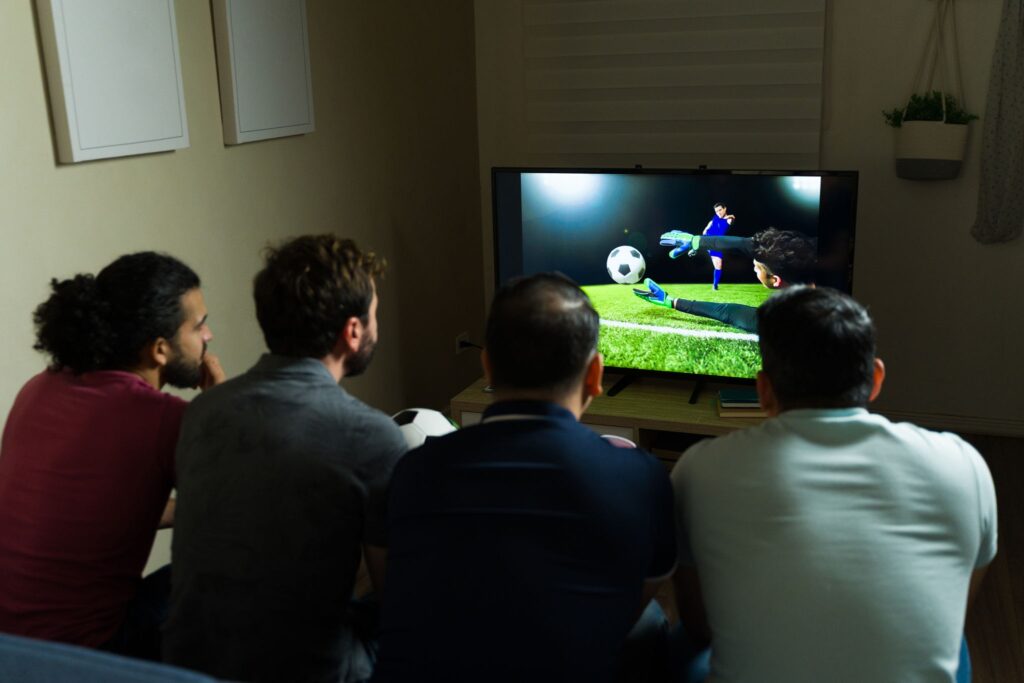
In the highly competitive South Asian and international streaming markets, major digital networks are adjusting their strategies to capture the massive audience share generated by the tournament. Platforms like Sony LIV and the newly consolidated JioHotstar entity represent the absolute frontline of live sports streaming innovation. For a brand manager, advertising on these platforms during a World Cup match requires a strategy that goes beyond standard 15-second spot placements.
Sony LIV has consistently leveraged its premium sports broadcasting rights to pioneer interactive ad formats. During high-intensity matches, features such as real-time interactive polls, shoppable ad overlays, and split-screen brand placements allow advertisers to engage consumers without interrupting the game. This approach minimizes viewer ad fatigue while maximizing retention.
Concurrently, the scale offered by JioHotstar provides unmatched programmatic advertising opportunities. With a user base spanning hundreds of millions, JioHotstar allows brand managers to execute hyper-targeted hyper-local advertising campaigns. A beverage brand, for example, can run a promotion tailored strictly to viewers in a specific metro area experiencing real-time weather changes, syncing their ad creative with live match conditions.
Simultaneously, niche platforms like FanCode have fundamentally rewritten the playbook for fan engagement. While mass-market platforms cater to the casual viewer, FanCode targets the deeply invested sports enthusiast. By offering hyper-detailed real-time statistics, analytical deep-dives, fantasy sports integrations, and direct access to licensed team merchandise, FanCode builds an ecosystem of high consumer attention.
For sports marketing professionals, this platform offers a uniquely receptive audience. Advertisers can run campaigns tailored specifically for fantasy managers or football purists, achieving high conversion rates because the brand message aligns perfectly with the user’s analytical mindset.
Engineering the Atmosphere: Sensory and Spatial Marketing
With the digital infrastructure in place, the consumer’s focus shifts to the physical space. Recreating a stadium atmosphere inside a suburban living room requires intentional sensory orchestration, opening up additional retail and consumer product opportunities.
The auditory environment is a critical component of this setup. The roar of the crowd, the thud of the ball, and the emotional resonance of commentary require specialized audio equipment. This demand drives a cyclical retail boost for home audio brands like Sonos and JBL.
Marketers in the audio sector position soundbars and surround-sound setups not as luxury hardware, but as emotional portals that bridge the physical gap between a living room couch and an open-air stadium. By aligning marketing copy with the concept of “acoustic transportation,” audio brands convert passive sports fans into premium hardware buyers.
Visual ambience is similarly optimized through smart lighting. Brands like Philips Hue have established a distinct niche by allowing their smart lighting systems to sync dynamically with live television screens. When a team scores, the living room can instantly flash the team’s signature colors, turning the room into an interactive extension of the pitch.
This level of environmental synchronization offers an innovative canvas for co-branded partnerships. A corporate sponsor could partner with a smart lighting application to trigger specific, ambient light rewards in consumers’ homes when major milestones occur during the match, turning a brand logo into a physical experience.
FMCG, Quick-Commerce, and the New Match-Day Menu
No FIFA World Cup watch party is complete without food and drink. However, consumer habits in this category have undergone a profound structural shift. The days of the pre-planned, massive weekend grocery run for sporting events are increasingly giving way to spontaneous, real-time ordering powered by quick-commerce platforms.
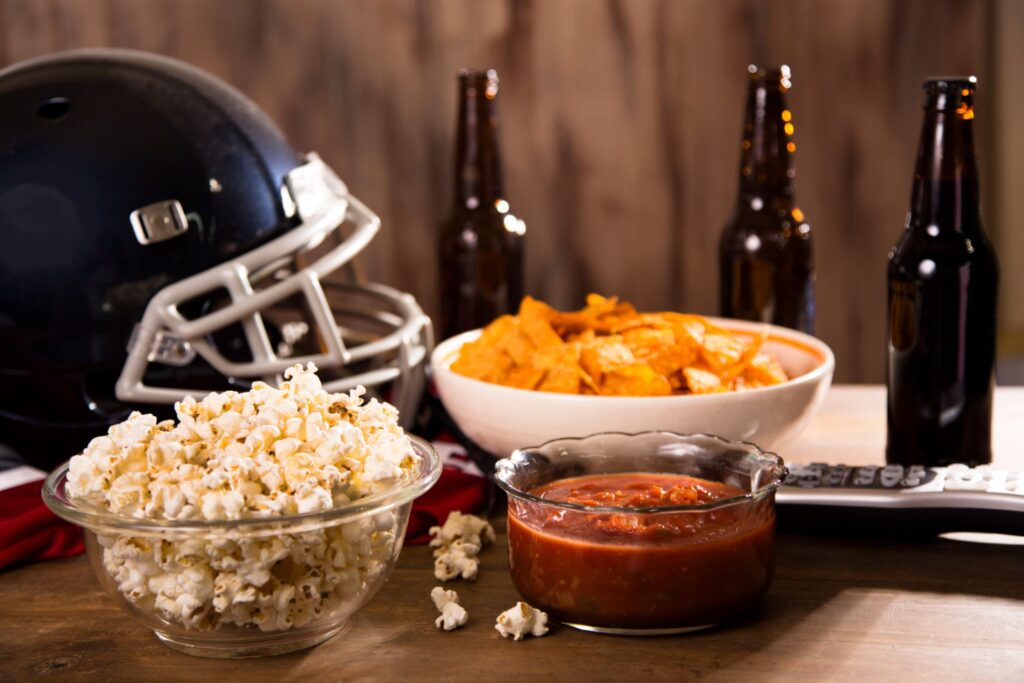
The modern watch party relies heavily on rapid delivery networks to keep the living room stadium fully provisioned. This instant-gratification ecosystem gives Fast-Moving Consumer Goods (FMCG) brands and quick-service restaurants (QSRs) an agile tool for tactical marketing. Platforms can deploy targeted push notifications precisely fifteen minutes before the half-time whistle, capturing a captive audience looking to replenish snacks or drinks.
| Strategic Pillars of the Watch Party | Primary Brand Enablers | Core Business/Marketing Objective |
| System Integration & UI | Roku | High-visibility home screen takeovers, context-aware ad routing, and minimal interface friction. |
| Premium Broadcast Delivery | Sony LIV, JioHotstar | Interactive, programmatic ad insertion; hyper-targeted local campaigns at scale. |
| Hyper-Engaged Fan Analytics | FanCode | Contextual alignment with analytical sports consumers, integrated merchandise retail, and fantasy sports tie-ins. |
| Environmental Immersion | Sonos, Philips Hue | Cyclical premium hardware upgrade purchases; emotional, sensory-driven product positioning. |
| Real-Time Consumable Supply | Coca-Cola, Lay’s, Doritos | Quick-commerce flash sales, synchronized half-time push notifications, and bundled packaging strategies. |
Traditional FMCG powerhouses like Coca-Cola (an official FIFA sponsor) and PepsiCo brands like Lay’s and Doritos design their entire summer supply chains around these high-velocity consumption windows. For brand managers, the marketing strategy revolves around the concept of “the perfect bundle.” By partnering directly with digital delivery apps, these brands ensure their products appear at the top of the user interface when fans look for immediate match-day sustenance.
The Strategic Playbook for Brand Managers
The trend toward premium home viewings during the FIFA World Cup 2026 is an established consumer shift that offers clear strategic opportunities for brand managers, advertisers, and business leaders. Navigating this landscape successfully requires an integrated approach to consumer engagement:
- Focus on Cross-Ecosystem Partnerships: The most effective marketing campaigns will connect separate elements of the watch party setup. A beverage brand could partner with a streaming platform like Sony LIV or JioHotstar to offer instant delivery discount codes directly via an on-screen QR code during live half-time analysis.
- Leverage System-Level Real Estate: Hardware gatekeepers like Roku provide premium ad spaces that catch consumers before they even open a streaming app. Investing in system-level visibility ensures a brand is part of the initial decision-making process when the TV turns on.
- Design for Co-Consumption: The watch party is inherently social. Marketing messages, packaging designs, and digital campaigns should target groups rather than isolated individuals. Creative concepts focused on community, shared tension, and collective celebration will resonate more effectively than solo-centric messaging.
- Adopt Data-Driven Agility: Use live match events to drive programmatic ad creative. If a match goes to a penalty shootout, ad copy and quick-commerce promotions should pivot in real-time to match the sudden increase in viewer attention and emotional intensity.
The living room has become the new stadium. The brands that successfully integrate into this home entertainment ecosystem, positioning themselves as essential parts of the match-day experience rather than simple interruptions, will capture sustained consumer attention during the world’s largest sporting event.