The 2026 FIFA World Cup is breaking every scale imaginable. With 48 teams playing 104 matches across the United States, Mexico, and Canada, it is the most geographically expansive tournament in football history. For fans looking to experience the magic in person, the sheer size of the North American continent presents a unique challenge.
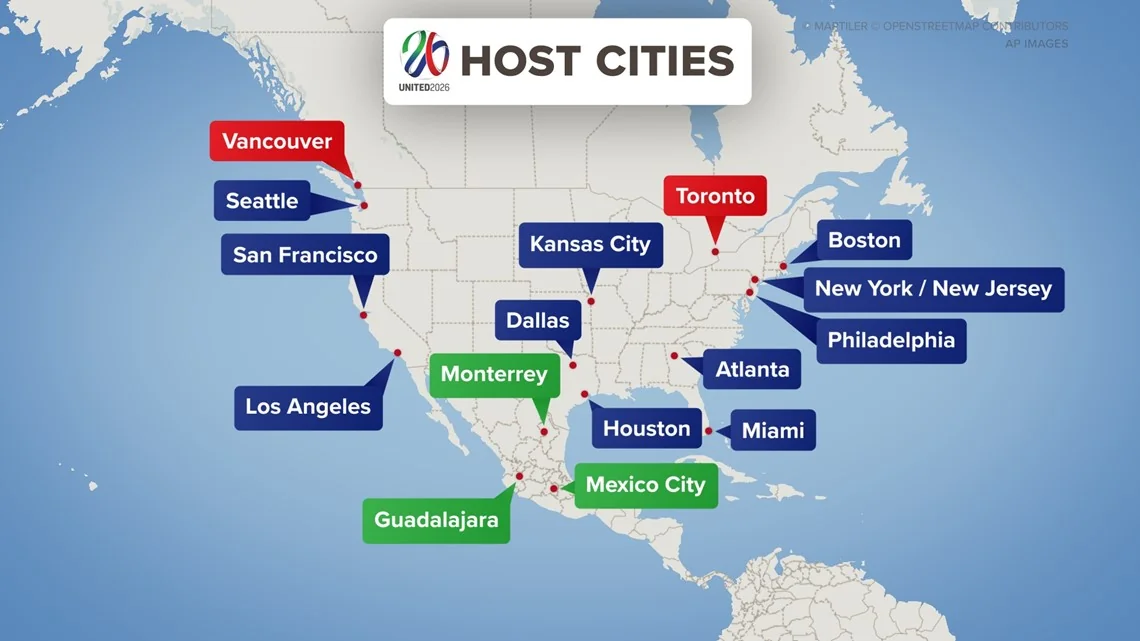
Here is the trap most traveling fans fall into: looking at the map of 16 host cities and trying to catch a little bit of everything. Attempting to zigzag from Vancouver to Miami and down to Mexico City will leave you spending half your vacation in airport security lines and the other half jet-lagged.
Instead, the smartest way to experience the 2026 World Cup is to choose a specific regional cluster. FIFA intentionally grouped the host cities into three regions; West, Central, and East; to minimize travel fatigue for the teams. As an Experience-Seeker, you should follow their lead. By building your itinerary around one regional basecamp, you can catch world-class football while diving deep into a specific cultural “travel vibe,” keeping your transit times under two hours instead of enduring six-hour cross-continental flights.
Whether you are looking for coastal nature, culinary depth, or neon-lit nightlife, here is how to decode the three FIFA 2026 host city clusters and choose the region that fits your travel style.
The West Coast Cluster: Nature, Coastal Chill, and Cultural Deep-Roots
The Cities: Vancouver, Seattle, San Francisco Bay Area, Los Angeles, Guadalajara.
The Vibe: Outdoor adventure, laid-back coastal exploring, and vibrant Mexican heritage.
If your ideal vacation involves hiking through misty evergreens in the morning and enjoying world-class tacos by sunset, the West Coast cluster is your match. This region stretches from the spectacular Pacific Northwest down the California coast, culminating in the spiritual home of Mexican football, Guadalajara.
What to Expect
The northern end of this cluster is an outdoor lover’s paradise. Vancouver and Seattle offer mild summer climates, surrounded by mountains and water. Down in California, the San Francisco Bay Area and Los Angeles provide classic sun-drenched road trip opportunities. Guadalajara contrasts the coastal cities with its deep cultural roots, known globally as the birthplace of mariachi and tequila.
Logistics and Costs
- Transit: The West Coast is highly car-dependent outside of the immediate city centers. While Seattle and Vancouver have excellent light rail systems, Los Angeles and the Bay Area require a vehicle for serious exploring. Consider checking out [Link to: (Future) Local transit guides for host cities] to map your routes.
- Flight Times: Hopping between Seattle and San Francisco takes just two hours. For fans flying in from South America to join the West Coast action, Latam Airlines offers excellent connectivity into Los Angeles and connecting routes down to Guadalajara.
- Accommodation: June and July are peak tourist seasons on the Pacific coast. Average hotel costs in LA and Seattle can easily hover between $250 and $350 per night. To maximize your budget and find homes with outdoor space, Airbnb is a fantastic option for booking coastal properties or secluded cabins just outside the city limits.
Pro Tip: Pack layers. A summer day in Los Angeles will be blazing hot, while a foggy evening in San Francisco or Vancouver requires a solid jacket. [Read our: Packing for 3 Climates]
The Central Cluster: High Drama, Culinary Powerhouses, and Southern Hospitality
The Cities: Mexico City, Monterrey, Houston, Dallas, Kansas City, Atlanta.
The Vibe: High-energy football obsession, massive stadiums, and unmatched regional cuisines.
The Central cluster is the beating heart of the 2026 tournament. It features the historic Estadio Azteca in Mexico City, hosting the opening match, and the massive, climate-controlled stadiums of Texas and Atlanta, which will host crucial knockout rounds and both semifinals.
What to Expect
If you travel for food and football history, base yourself here. Mexico City is a sprawling, high-altitude metropolis with one of the most exciting culinary scenes on the planet. Monterrey offers stunning mountain backdrops and a passionate local football culture. As you move into the U.S., you hit the barbecue capitals: Houston, Dallas, and Kansas City. Atlanta brings deep southern hospitality mixed with a rapidly growing, fanatical soccer culture.
Logistics and Costs
- Transit: This region relies heavily on air travel between hubs. However, the Texas triangle (Dallas, Houston) is manageable by bus or rental car. Mexico City has a massive, highly utilized Metro system, one of the cheapest and most efficient ways to beat the notorious traffic.
- Flight Times: Flights from Mexico City to Dallas take roughly two and a half hours. To manage multi-city jumps across this vast central corridor, look into American Airlines Vacations for bundled domestic flights and hotel stays, as Dallas acts as a major central hub.
- Accommodation: This cluster offers some of the best value for your money. Hotel rates in cities like Kansas City and Houston often average between $150 and $200 per night during the summer. For fans prioritizing comfort and loyalty perks, leveraging Marriott Bonvoy points in business hubs like Atlanta and Dallas can secure high-end accommodations near the stadiums. For extended stays, check out our guide on [Read Our: How to Secure the Best Short-Term Rentals].
Pro Tip: The heat in the Central region during June and July is intense. Fortunately, stadiums in Dallas, Houston, and Atlanta feature retractable roofs and heavy air conditioning. [Read our: Complete Breakdown of the 16 Host City Stadiums]
The East Coast Cluster: Urban Exploring, History, and Fast-Paced Energy
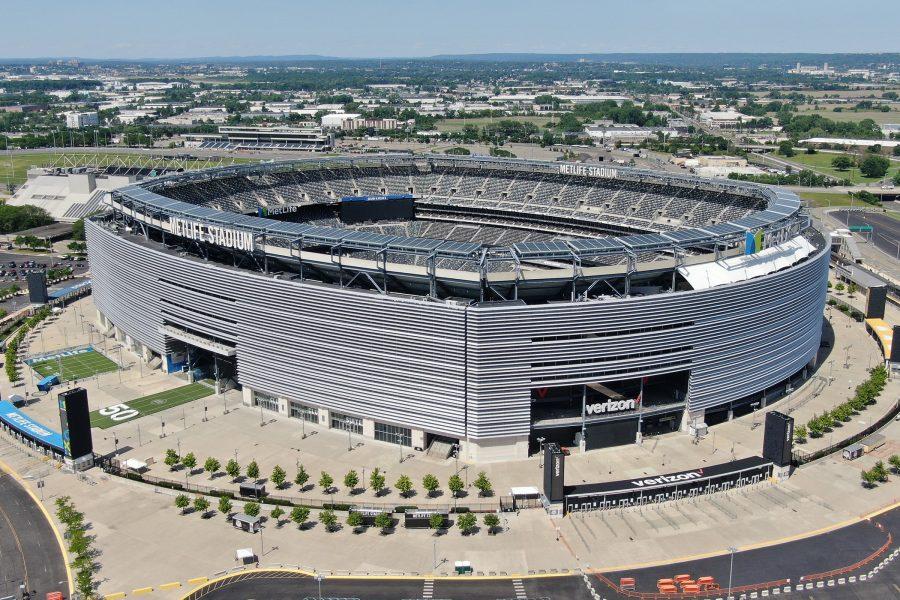
The Cities: Toronto, Boston, New York/New Jersey, Philadelphia, Miami.
The Vibe: Fast-paced sightseeing, historic landmarks, and sleepless nightlife.
For the quintessential bustling city experience, the East Coast cluster delivers. This region culminates in the World Cup Final at the New York New Jersey Stadium, making it the ultimate destination for fans who want to witness football history while experiencing some of the world’s most iconic urban landscapes.
What to Expect
The East Coast is built for the fan who wants a dense, action-packed itinerary. You can spend your morning exploring the historic freedom trails of Boston or Philadelphia, your afternoon navigating the concrete canyons of Manhattan, and your weekend soaking up the neon-lit beaches of Miami. Toronto brings a clean, cosmopolitan energy with an incredibly diverse food scene that reflects the global nature of the tournament.
Logistics and Costs
- Transit: This is the most transit-friendly cluster. The Northeast Corridor (Boston, New York, Philadelphia) is connected by efficient Amtrak train lines, meaning you can easily travel between three host cities without ever stepping foot in an airport. Regional public transit usage is highest here, so you can rely on subways and commuter rails. For official transit maps, visit local authorities like the MTA or SEPTA (External Link).
- Flight Times: While the Northeast is connected by rail, reaching Miami or Toronto requires a flight. New York to Miami is roughly a three-hour journey. For international travelers flying into the East Coast hubs from the Middle East or Asia, Qatar Airways Holidays frequently offers premium packages landing directly in New York or Miami.
- Accommodation: The East Coast is generally the most expensive region, with summer hotel averages in New York and Boston frequently exceeding $350 per night. To find competitive rates across varied neighborhoods, use aggregators like Booking.com or Expedia to compare boutique hotels in Brooklyn or budget-friendly stays just outside Philadelphia.
Pro Tip: With so much urban exploring on foot, your phone battery will drain quickly taking photos and scanning digital match tickets. Ensure you are prepared by reviewing our [Read Our: Pre-Travel Tech Checklist].
Making Your Decision: Start Planning Early
The 2026 World Cup is more than a football tournament; it is a continent-wide festival. Deciding on your host city cluster early allows you to lock in accommodations before dynamic pricing pushes rates into the stratosphere.
- Choose the West if you want to pair matches with national parks, beaches, and a relaxed pace.
- Choose the Central if you want the highest concentration of crucial matches, monumental stadiums, and world-class barbecue and tacos.
- Choose the East if you thrive on big-city energy, historic sights, and seamless train travel.
Start planning your basecamp early, explore flight and hotel packages for your chosen region. Utilizing flight aggregators and trusted hotel booking engines like Booking.com or Expedia today will give you a clear picture of the budget required to make your 2026 World Cup experience unforgettable.