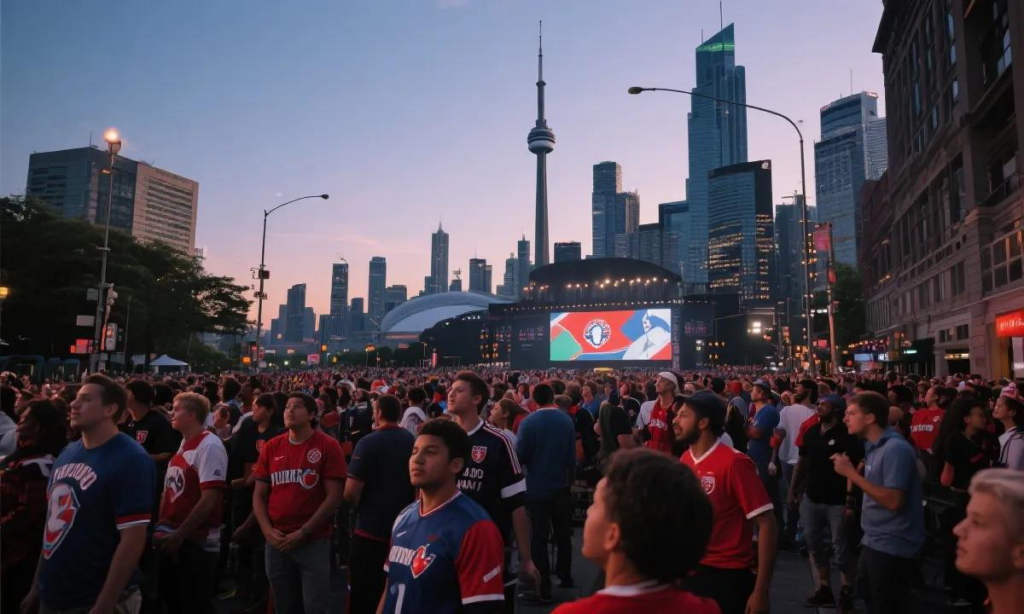
The 2026 World Cup is a logistical behemoth. Spanning 16 cities, three countries, and four time zones, it is the largest tournament in FIFA history. For dedicated football fans, planning a multi-city trip across North America presents an unprecedented puzzle.
Attempting to see every host city is a rookie mistake that will drain your budget on internal transit and leave you exhausted before the knockout stages even begin. Instead of blanketing the continent, strategic travelers are adopting the “hub-and-spoke” method. This guide breaks down how to pick a regional base, utilize ground transport for short hops, and strategically dodge match-day flight surges and cross-border bottlenecks.
1. Grasping the Scale: The Geography of 2026
To understand why a hub-and-spoke strategy is mandatory, you have to look at the map. A direct flight from Vancouver on the West Coast to Miami on the East Coast takes over six hours. Attempting to bounce between these extremes will eat into your match days and your wallet.
Use the interactive map below to explore the distances between the 16 host cities and visualize the regional clusters:
Key insight: Ground transport is highly viable for specific clusters. For example, Amtrak efficiently connects Boston, New York, and Philadelphia, while ADO buses are ideal for moving between Mexico City, Guadalajara, and Monterrey.
2. The Hub-and-Spoke Strategy
Rather than booking a string of one-way flights across the continent, choose a regional base (your “hub”) and take short, localized trips (the “spokes”) to nearby matches.
The Northeast Corridor (USA/Canada)
Cities: New York/New Jersey, Philadelphia, Boston, Toronto.
The Play: Base yourself in New York or Philadelphia. You can easily travel between Boston, NY, and Philly using Amtrak in under a few hours, completely avoiding airports. Toronto is a quick, 90-minute flight away.
The Mexican Heartland (Mexico)
Cities: Mexico City, Guadalajara, Monterrey.
The Play: Base yourself in Mexico City. The cost of living and accommodations are significantly lower here compared to US cities. You can utilize luxury ADO buses or inexpensive domestic flights via airlines like Volaris or Aeromexico to reach Guadalajara and Monterrey.
The West Coast Cluster (USA/Canada)
Cities: Vancouver, Seattle, San Francisco, Los Angeles.
The Play: Base yourself in Seattle or Los Angeles. You can use ground transit or short coastal flights to navigate. Local transit apps like Vancouver’s TransLink will be crucial for stadium access on match days.
Surge pricing is already a reality. Early projections show massive disparities in accommodation costs across the host cities. For instance, average nightly rates in Kansas City are projected to spike to over $540, while a night in Guadalajara may hover around $89.
Securing Your Lodging
Book Early and use Aggregators: Utilize platforms like Expedia or Booking.com to lock in rates with flexible cancellation policies in your hub cities.
Leverage Loyalty: If you are targeting expensive US cities (like Miami or New York), this is the time to cash in your Marriott Bonvoy or Hilton Honors points to offset exorbitant cash rates.
Mastering the Flights
If you are flying in from South America, Europe, or the Middle East, use multi-city flight search tools. Carriers like American Airlines Vacations, Qatar Airways Holidays, and LATAM offer robust networks that allow you to fly into one hub (e.g., Dallas) and out of another (e.g., Miami).
Pro Tip: Use Skyscanner’s multi-city tool to map your international arrival and departure, leaving the internal regional travel to trains or domestic budget carriers.
4. Surviving the Tri-Nation Border Puzzle
Crossing borders during a massive international tournament requires meticulous administrative prep. You are dealing with three different immigration systems:
Country
Entry Requirement
Who Needs It
USA
ESTA or B-1/B-2 Visa
VWP countries (ESTA); most others require visas
Canada
eTA or Visitor Visa
Visa-exempt countries (eTA); others require visas
Mexico
FMM (Tourist Card) / Visa
Varies; holding a valid US/CAN visa often grants entry
If your itinerary involves crossing from the US into Mexico and back, ensure your US visa allows for multiple entries.
You do not want to be fumbling with physical SIM cards or getting hit with foreign transaction fees while trying to buy a jersey outside MetLife Stadium.
Digital Connectivity: Download an eSIM from Airalo or Voye before you leave. They offer North American regional plans that seamlessly switch between US, Canadian, and Mexican cellular networks without roaming charges.
Currency & Payments: Cash is largely obsolete in US and Canadian stadiums, though still useful in Mexico. Carry a widely accepted Visa or Mastercard with zero foreign transaction fees.
Insurance: Because you are crossing multiple borders, standard travel insurance won’t cut it. Look into comprehensive providers like World Nomads that specifically cover multi-nation trips and transit delays.
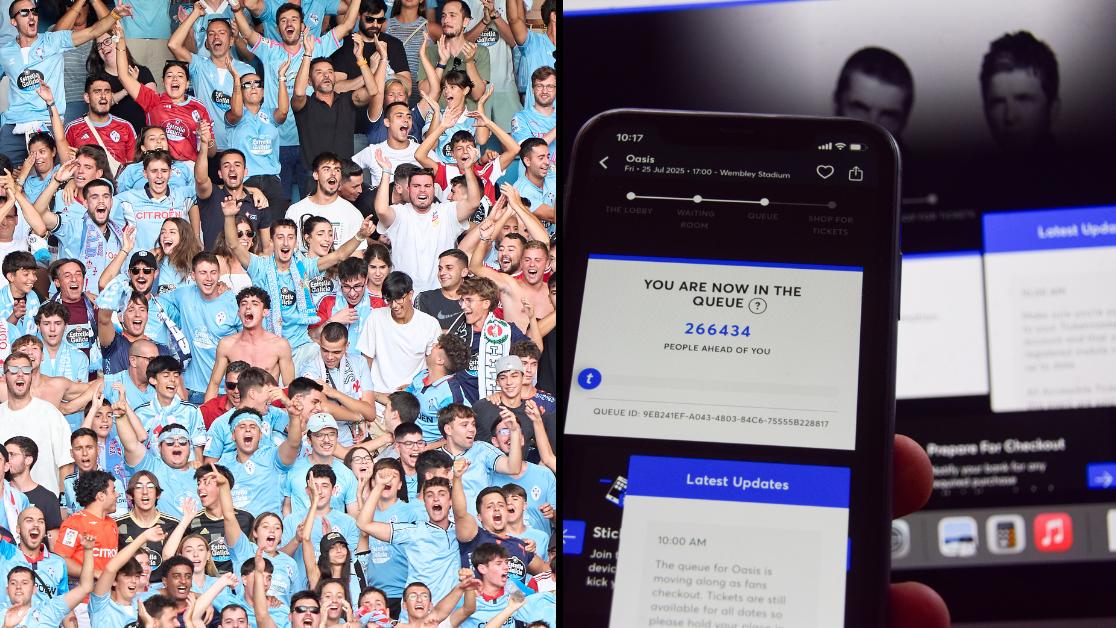
The gray market for FIFA tickets is notorious for scams. Stick strictly to the Official FIFA Ticketing Portal for primary sales.
If you miss the initial draws, only use verified secondary markets like Ticketmaster, StubHub, or SeatGeek. They offer buyer guarantees that protect you from fraudulent QR codes, a risk that is magnified when you’ve flown 5,000 miles to attend a match.
Understanding how consumers curate this environment allows brands to seamlessly insert themselves into the narrative, moving beyond static television commercials to become active facilitators of the match-day experience
Cybercriminals know you are eager, and they know you might act quickly if you think you’ve found a great deal. This guide is your defensive playbook. We are breaking down the modern mechanics of digital ticket fraud, how to spot the red flags, and exactly what you need to do to secure your seats safely.
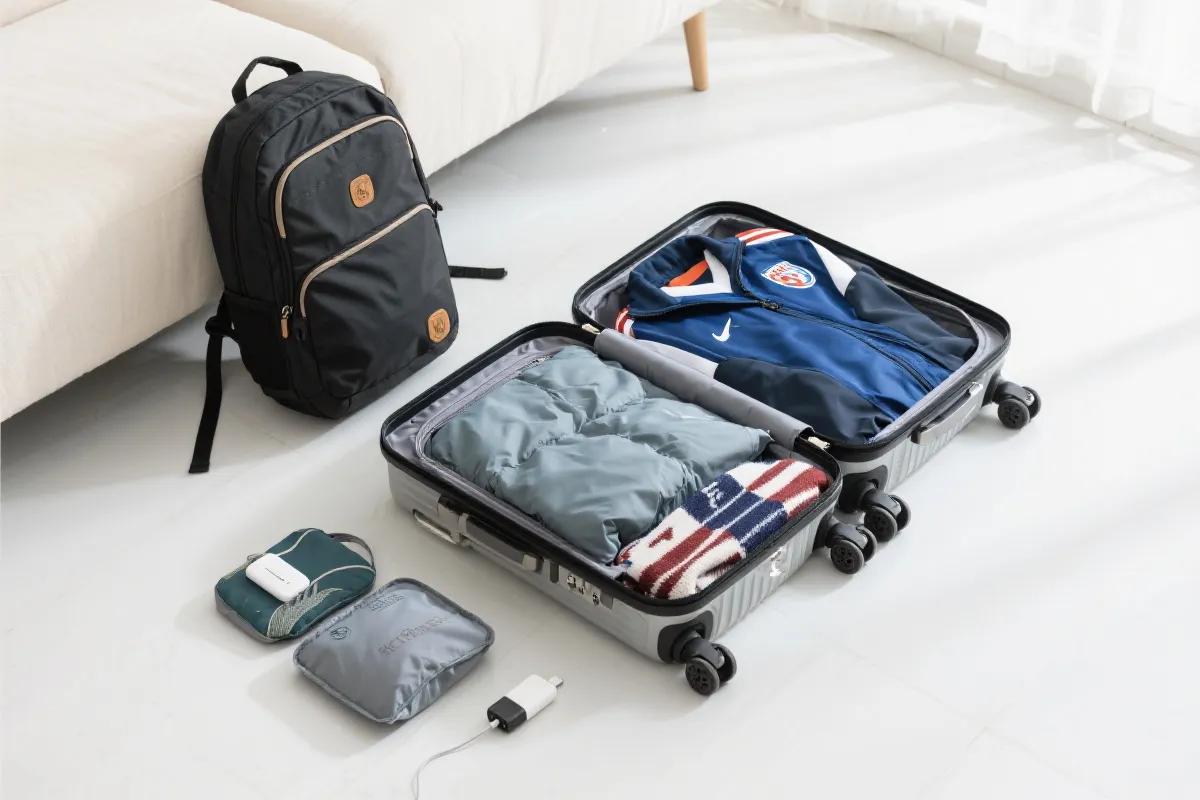
A single oversight, like assuming a valid US visa automatically covers your quick flight up to Toronto, or arriving at the stadium gates with a prohibited metal water bottle, can derail months of expensive planning. This is your definitive pre-flight audit. Treat this checklist as your master command center before you head to the airport.