This article contains affiliate links. If you purchase or book through these links, we may earn a commission at no additional cost to you.
Canadian winters can be beautiful, but icy sidewalks, heavy snowfall, freezing temperatures, and slushy streets can make choosing the right footwear a challenge. Whether you’re commuting to work, walking the dog, exploring snowy trails, or enjoying a weekend ski trip, a reliable pair of winter boots can make all the difference.
However, not all winter boots are designed for the same conditions. Some prioritize insulation and warmth, while others focus on waterproofing, traction, and outdoor performance. Finding the right balance is essential if you want comfortable feet throughout the season.
Decathlon Canada offers a range of winter footwear from brands such as QUECHUA and WEDZE, with options for men, women, and children. Here’s what to consider when shopping for the best winter boots in Canada and how to find a pair suited to your winter routine.
1. Start With the Right Level of Insulation
When temperatures drop below freezing, insulation becomes one of the most important features of winter footwear. A boot that looks warm but offers insufficient protection can quickly become uncomfortable during extended outdoor activities.
Before choosing a pair, consider how long you’ll spend outside and how active you’ll be.
For everyday errands, commuting, and short walks, moderately insulated boots may provide sufficient warmth. However, if you’re spending hours outdoors, hiking through snow, or standing in cold conditions, look for more substantial insulation.
Decathlon Canada’s QUECHUA winter footwear range includes options with different comfort temperature ratings, helping shoppers compare models according to their intended use.
A useful tip is to check temperature ratings for both walking and standing. Your feet generate more heat when you’re moving, so a boot that feels comfortable during a hike may feel colder when you’re waiting for a bus.
Also, leave enough room for warm winter socks. A boot that’s too tight can restrict circulation and make your feet feel colder.
2. Look for Reliable Grip on Snow and Ice
A warm pair of boots isn’t particularly useful if you’re constantly slipping on snowy sidewalks.
Canadian winters bring different walking surfaces, including fresh snow, compacted snow, wet pavement, and icy pathways. That’s why sole design deserves as much attention as insulation.
When comparing winter boots, look for:
- Deep, well-defined tread patterns that improve grip on snow.
- Rubber compounds designed for cold-weather conditions.
- Flexible soles that maintain contact with uneven surfaces.
- Stable construction that supports comfortable walking.
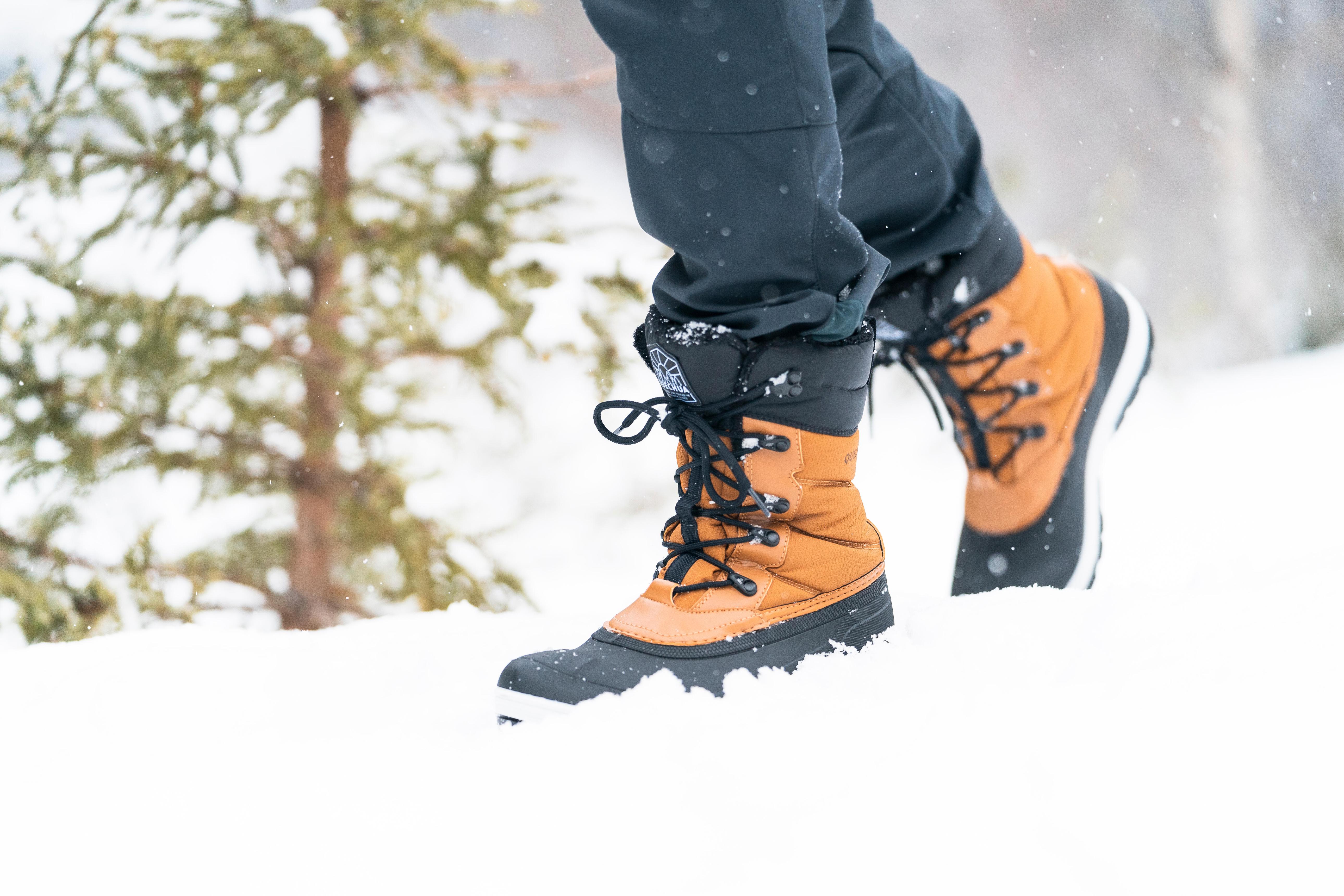
Decathlon’s QUECHUA footwear includes models featuring SnowContact sole technology, designed to provide improved grip and traction on snowy terrain.
It’s important to understand that snow grip and ice traction aren’t identical. Even boots designed for winter conditions cannot guarantee slip-free movement on smooth ice. For particularly icy routes, removable traction aids can provide additional security.
If your daily commute involves untreated sidewalks or slippery parking lots, prioritize sole performance rather than choosing boots based on appearance alone.
3. Waterproofing Matters More Than You Think
Snow isn’t the only challenge during a Canadian winter. Melting snow, roadside slush, rain, and wet ground can allow moisture to enter footwear.
Once your socks become wet, keeping your feet warm becomes much harder.
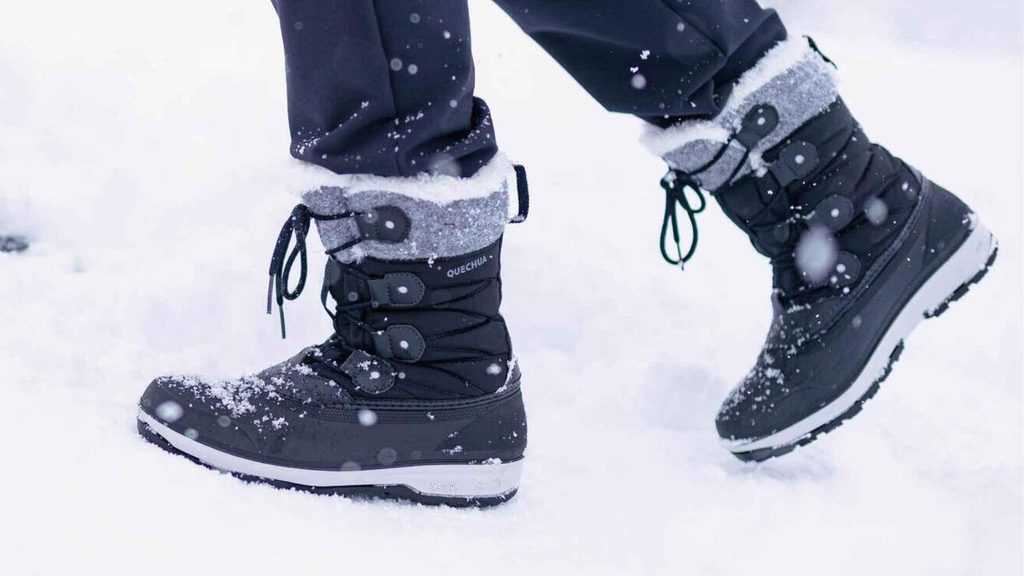
Look for winter boots with waterproof construction or clearly specified waterproof protection. Water-resistant footwear may handle light moisture, but it isn’t necessarily suitable for prolonged exposure to wet snow.
Consider the following:
- Waterproof membranes or protective inner constructions.
- Sealed seams and waterproof lower sections.
- Water-resistant outer materials.
- Higher uppers that help prevent snow from entering.
QUECHUA’s winter boots include different waterproofing constructions depending on the model. Some also feature protective uppers designed for snowy conditions.
Check the product specifications carefully rather than assuming every boot offers identical protection.
If you regularly walk through deep snow, consider taller boots or models with additional snow protection around the opening.
4. Choose Boots According to Your Winter Activities
The best winter boots in Canada aren’t necessarily the warmest or most expensive. They’re the ones designed for the conditions you’ll encounter most frequently.
For everyday city wear
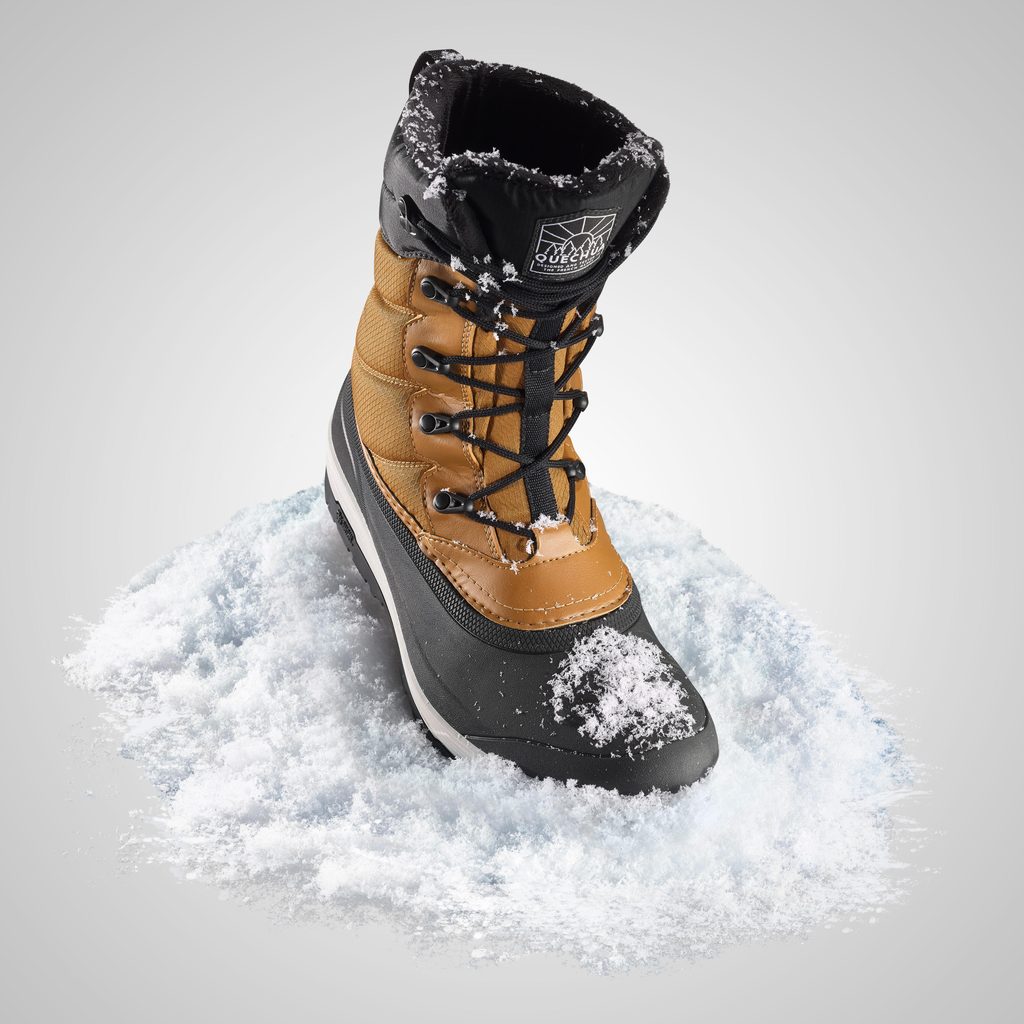
If your routine involves commuting, shopping, and walking around neighbourhoods, choose comfortable insulated boots with reliable grip and waterproof protection. QUECHUA NH 100 models are worth exploring for shoppers looking for practical everyday winter footwear.
For snowy walks and outdoor adventures
If you enjoy longer walks, nature trails, or outdoor activities, consider more technical footwear. QUECHUA NH 500 and SH 500 models offer options designed for more demanding winter conditions, with variations in insulation, waterproofing, and sole construction.
For particularly cold and snowy conditions
For extended outdoor activities, look at more protective models with higher insulation and substantial snow protection. Some QUECHUA SH 900 boots offer removable liners and SnowContact soles, making them worth considering for demanding snowy outings.
For skiing and après-ski activities
WEDZE offers winter footwear options suited to snow-based recreation and casual après-ski use. These can be useful when warmth and comfort are priorities during relaxed outdoor activities.
Choosing according to your routine helps avoid spending more on technical features you may never use.
5. Don’t Overlook Fit, Comfort and Boot Height
Even the most technically advanced winter boots can become uncomfortable if they don’t fit properly.
Try boots with the type of winter socks you expect to wear. Your toes should have enough space to move without your heel slipping excessively.
Pay attention to ankle support, cushioning, fastening systems, and the weight of the footwear.
Boot height also matters. Lower and mid-height boots can be convenient for everyday walking, while taller designs offer additional protection when moving through deeper snow.
For children, easy fastening systems can make getting ready for school and outdoor play much simpler.
Decathlon Canada’s winter footwear selection includes lace-up, zippered, and hook-and-loop options, making it easier to compare different styles and practical requirements.
6. Explore Decathlon Canada’s Winter Boot Range
If you’re comparing affordable winter footwear, Decathlon Canada is worth exploring.
Its selection includes QUECHUA winter hiking and snow boots, alongside WEDZE options for snow activities. The range covers men’s, women’s, and children’s footwear, with different combinations of insulation, waterproofing, grip, and boot height.
You can compare models such as NH 100, NH 500, SH 500, and SH 900 according to your intended activities and preferred level of protection.
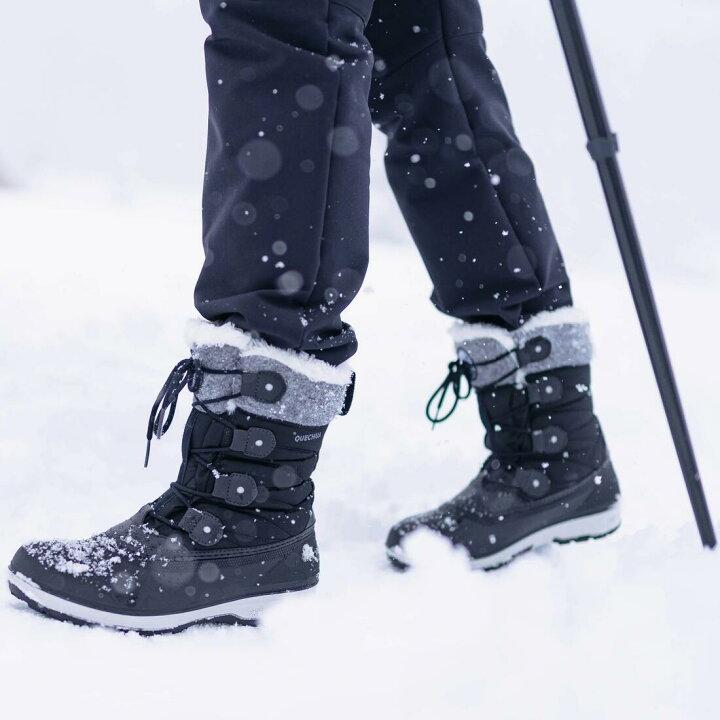
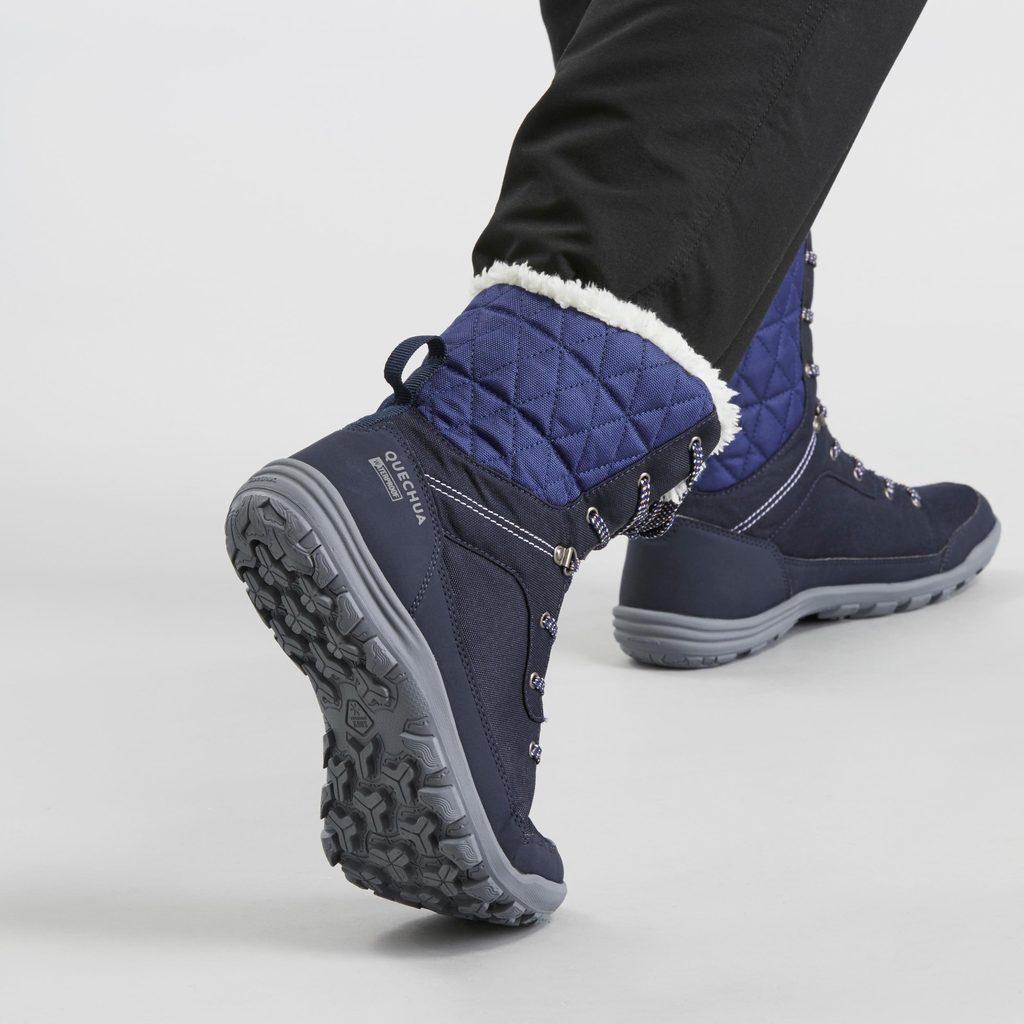
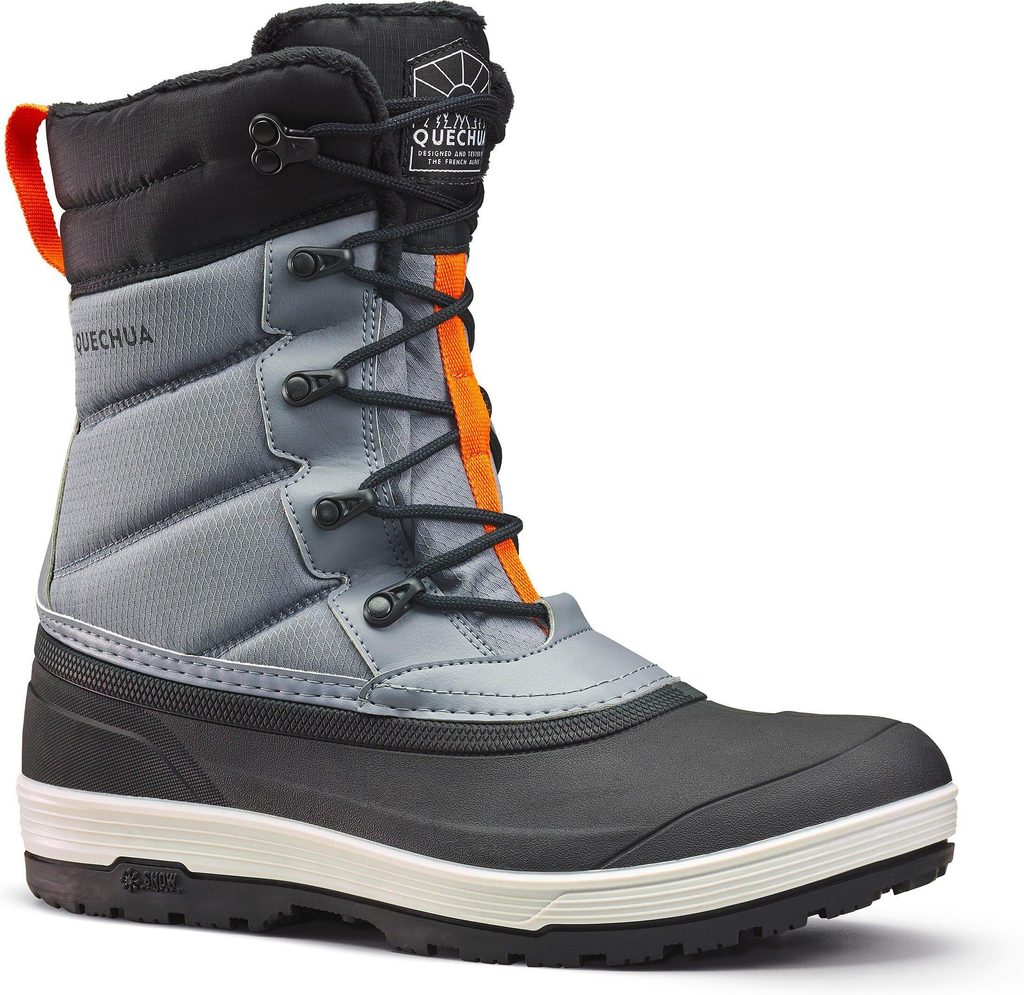
Rather than choosing solely by price or appearance, review each product’s temperature rating, waterproofing details, sole construction, and customer reviews.
This makes it easier to find footwear that suits your winter plans without paying for features you don’t need.
Frequently Asked Questions About Winter Boots in Canada
1. What are the most important features of winter boots in Canada?
Insulation, waterproofing, reliable grip, comfortable fit, and suitable boot height are essential. The right combination depends on your local weather and outdoor activities.
2. Are waterproof boots necessary for Canadian winters?
Yes, particularly if you regularly encounter snow, slush, and melting ice. Waterproof protection helps keep your feet dry and comfortable.
3. Are insulated winter boots suitable for everyday commuting?
Absolutely. Moderately insulated, lightweight boots with good grip can be excellent for commuting, errands, and everyday outdoor use.
4. What is the difference between winter boots and snow boots?
Winter boots are designed for general cold-weather use, while snow boots typically provide additional insulation, waterproof protection, and traction for snow-covered conditions.
5. Can winter boots prevent slipping on ice?
They can improve stability, but no regular winter boot guarantees complete protection against slipping on ice. Consider removable traction aids for particularly icy surfaces.
Find the Right Winter Boots for Your Canadian Winter
The best winter boots combine warmth, waterproofing, dependable grip, and everyday comfort. However, the ideal pair depends on whether you’re navigating city sidewalks, walking through fresh snow, or spending hours outdoors.
Decathlon Canada’s QUECHUA and WEDZE collections offer different footwear options for these winter activities. Compare their features, consider your local conditions, and choose a pair that keeps you comfortable throughout the season.
Because winter is much more enjoyable when you’re not worrying about cold, wet feet!