This article contains affiliate links. If you purchase or book through these links, we may earn a commission at no additional cost to you.
Canadian winters can be beautiful, but stepping outside when temperatures drop below freezing is a different story. Whether you’re commuting to work, walking your dog, enjoying outdoor activities, or planning a winter getaway, wearing the right clothing can make all the difference.
The secret to staying warm isn’t simply buying the thickest winter coat. It’s building a proper winter layering system that traps body heat, manages moisture, and protects you from wind and snow.
From thermal base layers and fleece jackets to insulated coats, gloves, and winter accessories, Decathlon offers practical options for putting together a comfortable cold-weather wardrobe. Here’s how to dress for a Canadian winter without feeling like you’re wearing your entire closet at once.
1. Start With a Thermal Base Layer
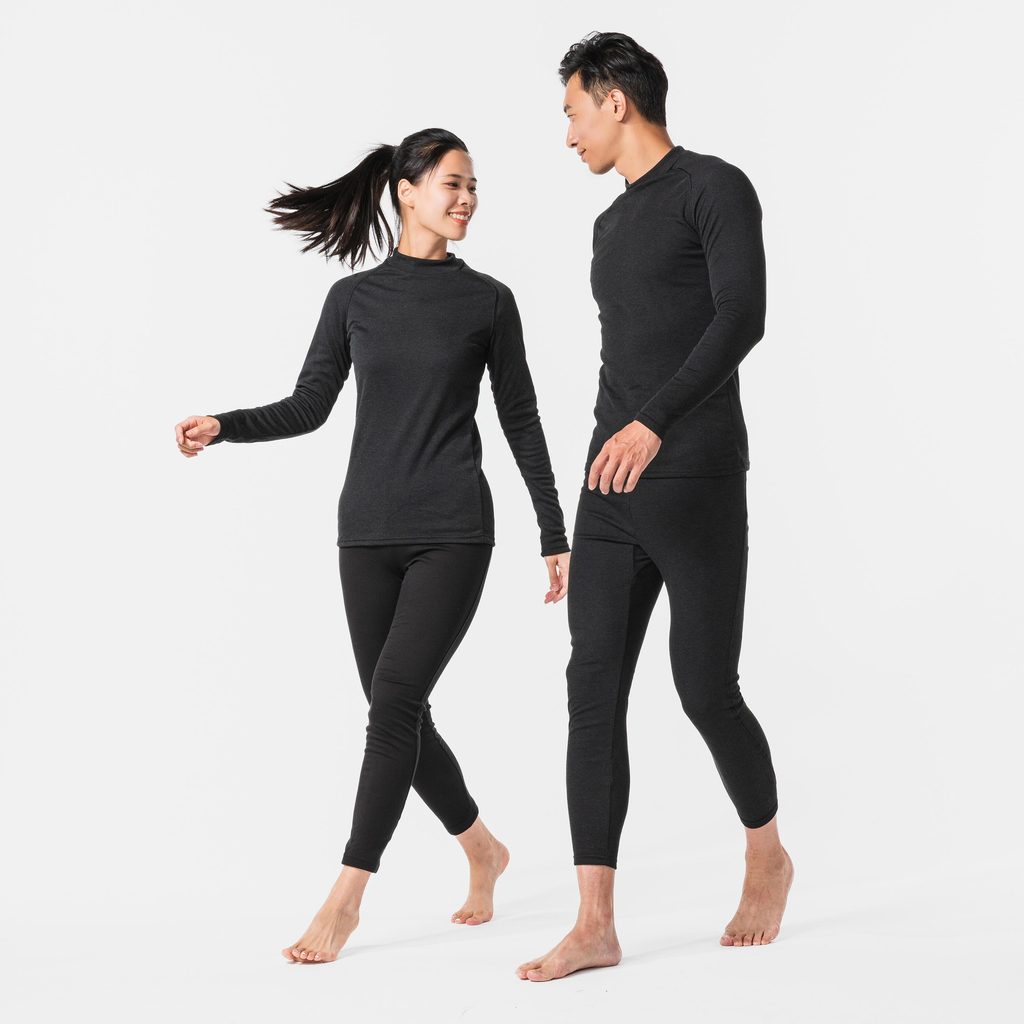
Your base layer is the foundation of any winter outfit. It sits directly against your skin and helps manage moisture while retaining warmth.
When temperatures fall below zero, ordinary cotton T-shirts and leggings may not provide enough protection. Cotton can hold moisture, leaving you feeling cold when you sweat.
Instead, consider thermal base layers made from synthetic materials or merino wool.
Decathlon’s thermal clothing range includes options designed for different activity levels and cold-weather conditions. Look for lightweight, comfortable tops that fit close to your body without restricting movement.
For extra warmth, pair your thermal top with thermal leggings underneath your regular trousers or winter pants.
This combination is particularly useful for morning commutes, outdoor walks, and extended periods outside.
2. Add a Fleece Jacket for Insulation
Once your base layer is in place, the next step is adding insulation.
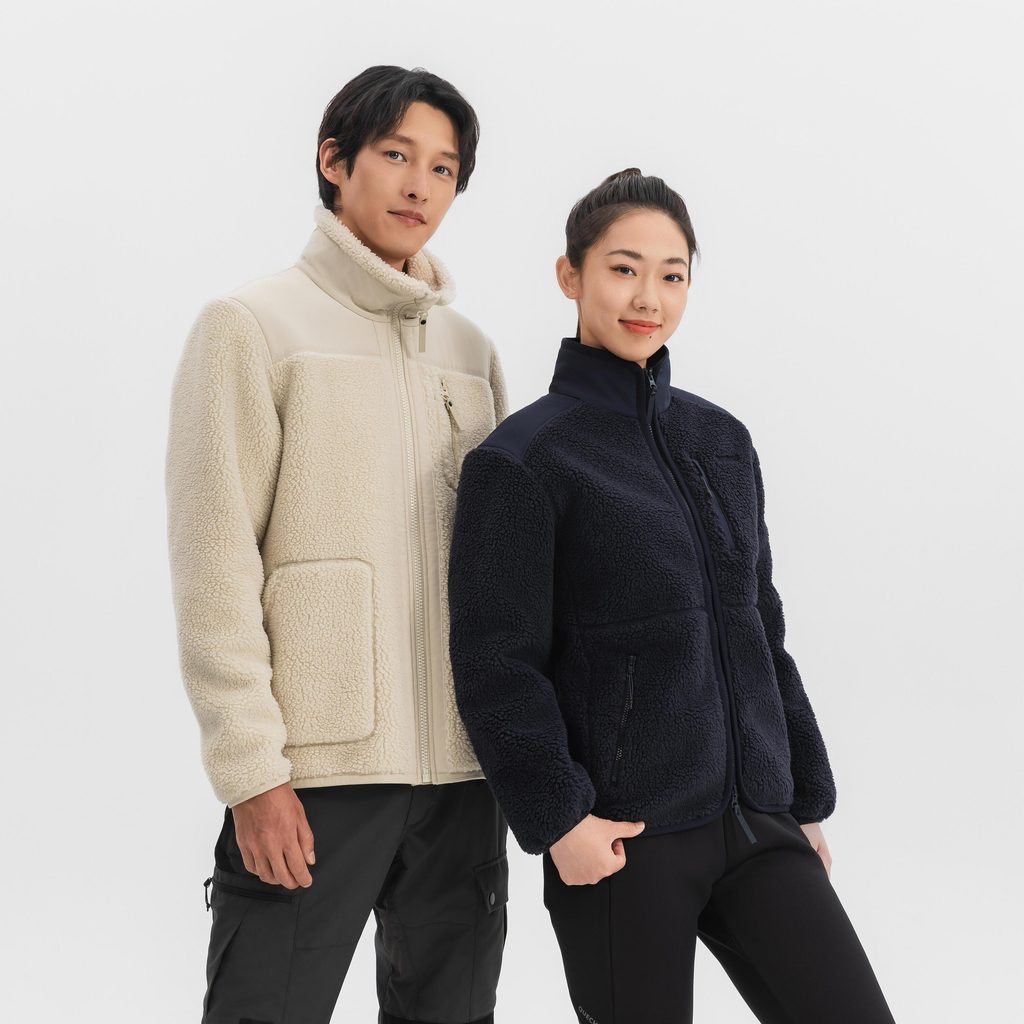
A fleece jacket creates a warm layer by trapping air close to your body. It is also lightweight, breathable, and comfortable enough for everyday activities.
Decathlon offers fleece jackets in different thicknesses, making it easier to choose according to the temperature and activity.
A lightweight fleece can work well for moderately cold days, while a thicker fleece provides additional warmth when temperatures drop further.
For Canadian winters, consider a full-zip fleece because it allows you to adjust ventilation when moving between heated indoor spaces and the outdoors.
You can also wear it under an insulated winter coat for additional protection on particularly cold days.
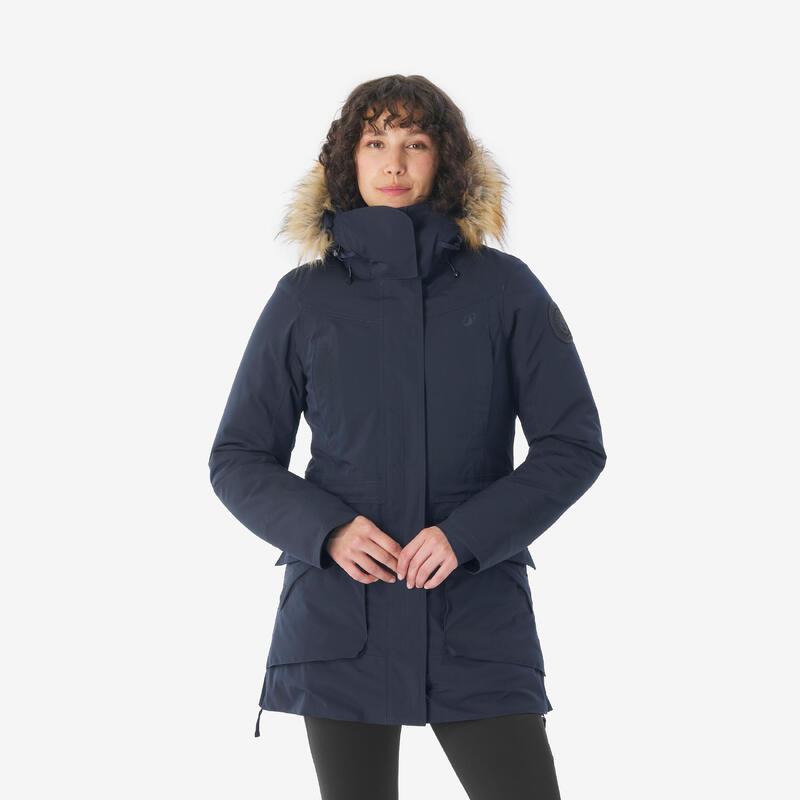
3. Choose an Insulated Winter Coat
Your outer layer is your main defence against freezing temperatures, wind, and snow.
A good winter coat should provide insulation while offering enough protection for the weather conditions in your region.
Decathlon’s insulated jackets and winter coats come in different designs and warmth levels. When comparing options, pay attention to insulation, wind resistance, water resistance, fit, and intended temperature range.
For everyday Canadian winter wear, consider a coat that offers:
- Sufficient insulation for below-freezing temperatures.
- A protective hood for windy or snowy conditions.
- Adjustable cuffs to reduce cold air entering the sleeves.
- A comfortable fit that accommodates your base and mid-layers.
- Pockets for keeping your hands and small essentials protected.
If you regularly experience wet snow or freezing rain, water resistance becomes particularly important.
Remember that a warm coat alone isn’t always enough. Its effectiveness improves when paired with suitable base and mid-layers.
4. Don’t Forget Thermal Leggings and Winter Pants
Cold legs can make an otherwise comfortable winter outfit miserable.
Thermal leggings are a practical addition, especially when temperatures fall significantly below freezing.
Wear them underneath jeans, trousers, or insulated outdoor pants to create another layer of warmth without excessive bulk.
Decathlon’s thermal leggings and base-layer bottoms can be useful for everyday wear, hiking, and other outdoor activities.
For snowy conditions, consider combining thermal leggings with water-resistant trousers. This helps protect against cold air, moisture, and snow while maintaining comfortable movement.
If you’re spending several hours outdoors, avoid wearing clothing that feels too tight. Restrictive layers can make movement uncomfortable and reduce the effectiveness of your overall clothing system.
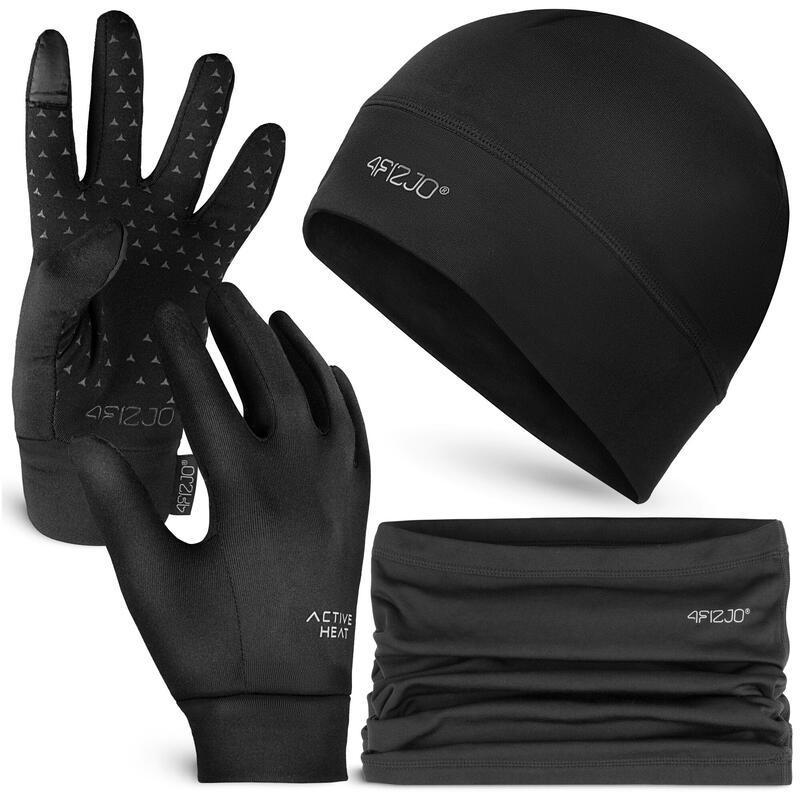
5. Protect Your Hands, Head, and Neck
Even with a good winter coat, exposed skin can quickly become uncomfortable in freezing weather.
Winter accessories are essential, not optional extras.
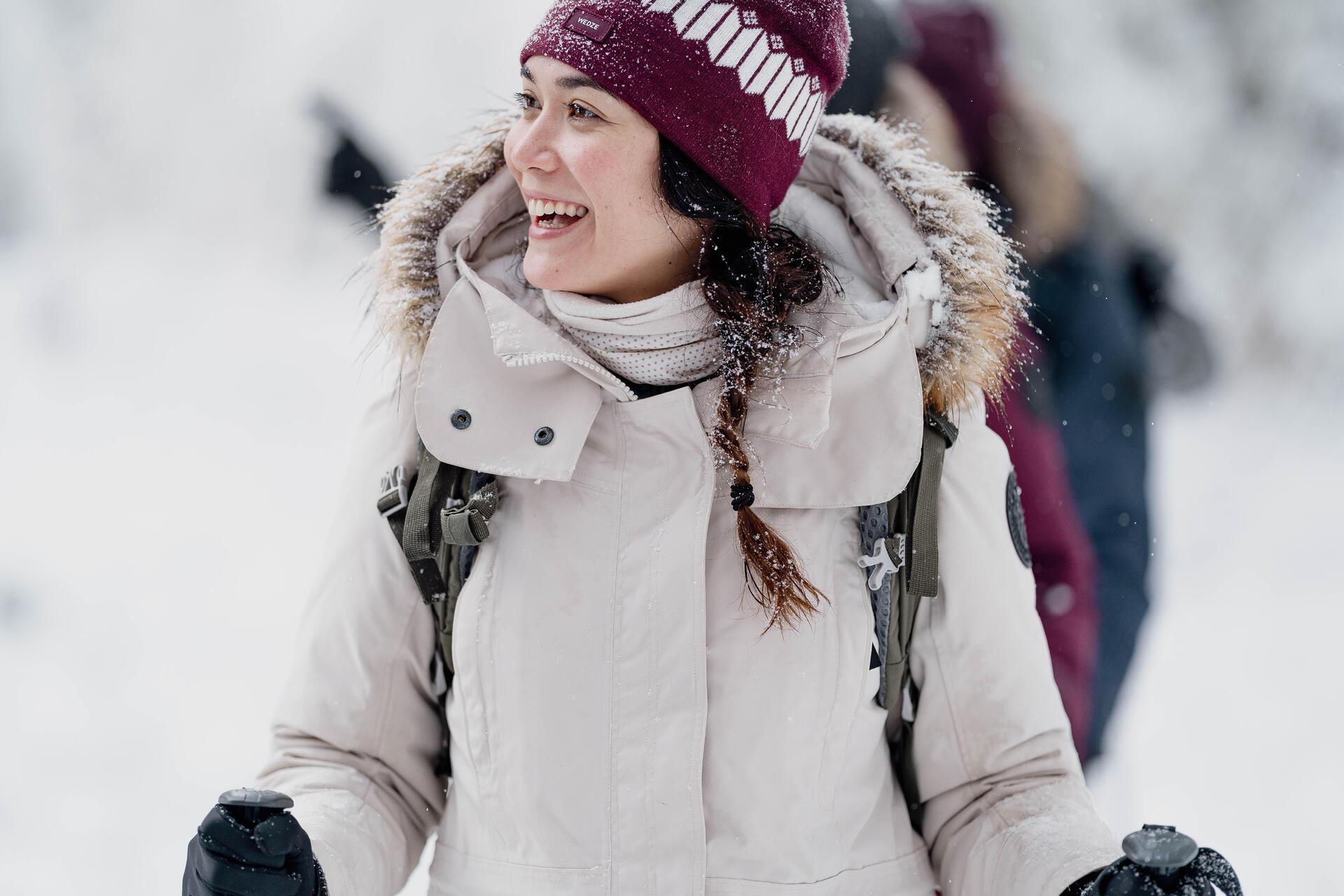
Gloves: Choose insulated gloves that protect your hands from cold air. Waterproof or water-resistant options are particularly useful when handling snow or participating in outdoor activities.
Winter hats: A warm beanie helps protect your head and ears. Look for comfortable materials that provide insulation without feeling restrictive.
Neck warmers: A fleece neck warmer or scarf helps cover exposed skin and reduces cold air entering through the neckline of your jacket.
Thermal socks: Warm socks help keep your feet comfortable, particularly when paired with suitable winter footwear.
Decathlon offers winter accessories for different outdoor activities, making it easier to coordinate your cold-weather essentials.
6. Build Your Complete Canadian Winter Layering System
Now that you understand each layer, here’s how to combine them into a practical winter outfit.
| Layer | What to Wear | Purpose |
|---|---|---|
| Base | Thermal top and leggings | Manage moisture and retain warmth |
| Mid-layer | Fleece jacket | Provide insulation |
| Outer | Insulated winter coat | Protect against wind and cold |
| Bottom | Winter trousers over thermal leggings | Keep legs warm |
| Accessories | Gloves, beanie, neck warmer and thermal socks | Protect exposed areas |
You don’t necessarily need every layer on every day. Adjust your outfit according to the temperature, wind, precipitation, and how active you’ll be.
For example, a short walk in moderately cold weather may require a thermal top, fleece, and winter coat. A long outdoor excursion in severe cold may call for additional insulation and better protection against wind and moisture.
The most important thing is to avoid overheating and sweating, as damp clothing can make you feel colder later.
7. Dress Differently for Everyday Activities and Outdoor Adventures
Your winter outfit should reflect how you spend time outside.
For daily commuting, prioritize comfortable thermal layers, a warm insulated coat, gloves, and footwear with good traction.
For winter hiking or outdoor activities, choose breathable layers that allow movement and help manage sweat. Add weather-resistant outerwear and accessories suited to the conditions.
For children, pay particular attention to properly fitted gloves, warm socks, and adjustable layers that are easy to put on and remove.
Decathlon’s winter clothing collections cover several outdoor needs, allowing shoppers to explore different options rather than relying on one heavy jacket for every situation.
FAQs About Dressing for a Canadian Winter
1. How many layers should you wear in Canadian winter?
Three main layers are a good starting point: a thermal base layer, an insulating mid-layer, and a protective outer coat. Add accessories depending on the weather.
2. Is fleece warm enough for Canadian winters?
Fleece provides useful insulation, but it is generally best worn underneath a suitable winter jacket when temperatures are significantly below freezing.
3. Are thermal leggings worth buying?
Absolutely! They add warmth under regular trousers without requiring bulky winter pants, making them useful for commuting and outdoor activities.
4. Should I wear cotton clothes in winter?
Cotton is comfortable indoors, but it retains moisture. Moisture-wicking synthetic fabrics or merino wool are generally better choices for winter base layers.
5. What should I wear for a Canadian winter walk?
Start with a thermal top, add a fleece, and wear an insulated coat. Complete the outfit with warm leggings, winter trousers, gloves, a beanie, and suitable footwear.
6. Can I use the same winter jacket for everyday wear and hiking?
You can, provided it offers suitable warmth, weather protection, and mobility for both activities. However, dedicated outdoor jackets may offer better breathability and activity-specific features.
Stay Warm and Enjoy Every Canadian Winter Day
Dressing for a Canadian winter doesn’t have to be complicated. The right combination of thermal base layers, fleece insulation, protective coats, warm leggings, and winter accessories can help you stay comfortable when temperatures drop.
Instead of relying on one oversized jacket, build a layering system that adapts to changing weather and everyday activities.
Explore Decathlon’s winter clothing and accessories to find practical options for your cold-weather wardrobe, whether you’re preparing for your daily commute or your next snowy outdoor adventure.